Over the past few months we’ve been analyzing AI-agent traffic across websites using SonicLinker.
Across roughly 2 million AI-agent requests per month, we expected to see at least some requests for /llms.txt, a proposed standard for helping LLMs understand website content.
But after monitoring traffic across dozens of websites:
We haven’t seen a single request for llms.txt.
Not from ChatGPT.
Not from Claude.
Not from Perplexity.
Not from other AI agents.
This surprised us, because llms.txt has been getting a lot of attention in discussions about AI-readable websites.
So we decided to look deeper into the data.
What is llms.txt?
llms.txt is a proposed convention for helping LLMs understand how to consume a website.
The idea is similar to robots.txt, which websites use to communicate with search engine crawlers.
A typical llms.txt file might:
describe the purpose of the website
list important documentation or pages
provide structured entry points for AI agents
guide LLMs toward machine-readable content
Example:
# Example llms.txt
site: example.com
description: Documentation for Example API
main-docs: https://example.com/docs
api-reference: https://example.com/api
The hope is that AI agents would fetch /llms.txt and use it as a starting point for understanding the site.
However, real-world traffic tells a different story.
Our dataset
Our observations come from traffic data across SonicLinker customers’ websites.
Metric | Value |
Websites monitored | 100+ |
Monthly AI agent requests | ~2 million |
Time window | Multiple months |
Agents observed | ChatGPT, Claude, Perplexity, and others |
The traffic includes requests generated by:
LLM browsing tools
AI search assistants
automated agent workflows
AI-powered developer tools
These agents fetch normal web pages while answering questions, researching topics, or retrieving documentation.
Why are we confident in this data
One common question when analyzing traffic logs is: Are you actually seeing all requests?
In our case, yes.
SonicLinker sits at the CDN edge, meaning every HTTP request passes through our infrastructure before reaching the website origin.
For each request, we capture:
full request path
user agent
headers
IP
response metadata
This includes all types of traffic:
humans
search engines
AI agents
bots
scrapers
Importantly, this happens before application servers or origin infrastructure.
So if an AI agent attempted to request:
/llms.txt
we would see it.
Across millions of AI-agent requests, we observed zero such requests.
What AI agents actually request
Instead of llms.txt, AI agents mostly behave like normal web clients.
The most common requests we see include:
/
/docs
/pricing
/blog
/features
/sitemap.xml
/robots.txt
In other words, agents usually fetch normal website pages and parse them directly.
This aligns with how many AI systems currently retrieve information:
search the web
open relevant pages
extract useful content
summarize it
In that workflow, a special discovery file like llms.txt may not be necessary.
How LLMs currently explore websites
Based on the traffic patterns we observe, most AI agents follow a process similar to this:
Step 1: Find a page
Usually through search engines or internal knowledge.
Step 2: Fetch the page
Agents request the full page HTML.
Step 3: Extract text
They parse the page and extract readable content.
Step 4: Follow links
If needed, they fetch additional pages linked from the original page.
This means LLMs are currently relying more on page readability than on dedicated metadata files.
Why llms.txt might not be used (yet)
There are several possible explanations.
1. The standard is still experimental
llms.txt is a relatively new proposal and has not yet been widely adopted by AI companies.
Most LLM systems likely rely on existing web discovery mechanisms.
2. Many agents use search engines
A large portion of AI-agent traffic originates from systems that first use:
Google
Bing
internal search indexes
In these cases, agents already know which page they want to fetch.
They don’t need a discovery file.
3. Agents simply parse the page
Modern LLMs are very good at extracting information from:
HTML
Markdown
documentation pages
structured headings
Because of this, they can often understand a site without additional guidance.
What actually helps LLMs understand websites
From observing AI-agent traffic and behavior, several patterns are becoming clear.
Websites that are easier for LLMs to understand tend to have:
clean HTML structure
clear headings
documentation-style content
minimal client-side JavaScript
readable text content
Pages that rely heavily on:
complex JavaScript rendering
deeply nested UI components
text embedded in images
are much harder for AI agents to interpret.
In practice, content readability matters far more than discovery files.
The bigger shift: AI-readable websites
The web has historically been designed for human browsers.
But AI agents are quickly becoming another major consumer of web content.
This raises an interesting question:
Instead of adding files like llms.txt, should websites focus on becoming more AI-readable by default?
Some emerging approaches include:
markdown-based content
simplified HTML
structured documentation
AI-optimized content representations
These approaches improve how both humans and machines understand the web.
We’d love to hear what others are seeing
Our observations are based on millions of AI-agent requests, but the ecosystem is evolving quickly.
If you operate:
large websites
developer documentation platforms
AI infrastructure
crawler systems
We’d be curious to know:
Have you seen AI agents request /llms.txt in real traffic logs?
The idea behind llms.txt is interesting — but based on current traffic patterns, it does not yet appear to be used by major LLM systems.
Read more from our blog
Brand Reputation in LLMs: What happens when reputation is generative?
Neeraj Jain
Agentic Interfaces and the Future of UX
Nikki Diwakar
How Visa Enables AI Agents to Shop and Pay
Rajeev Kumar
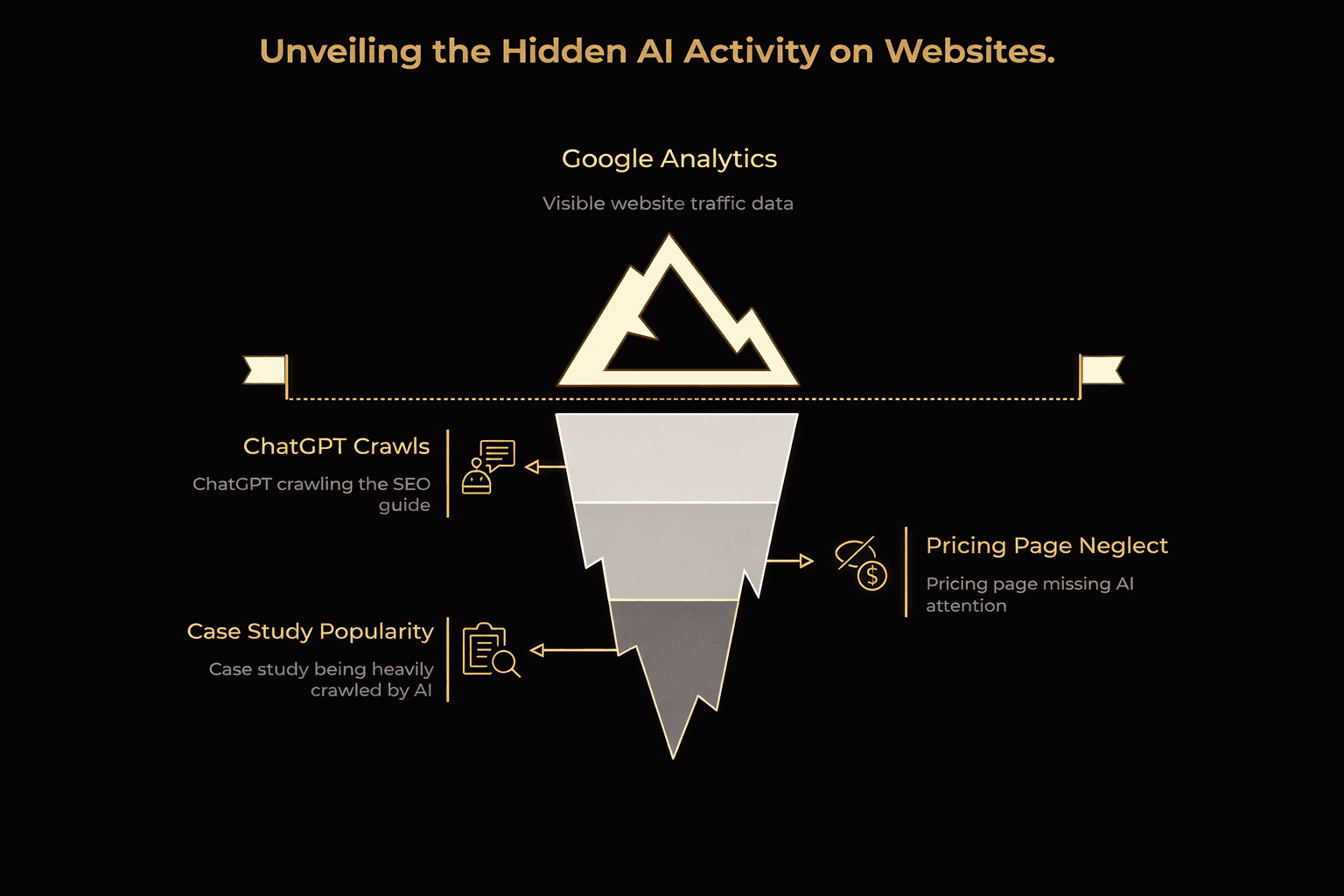
How To Measure AI Agents When Google Analytics Cannot
Neeraj Jain
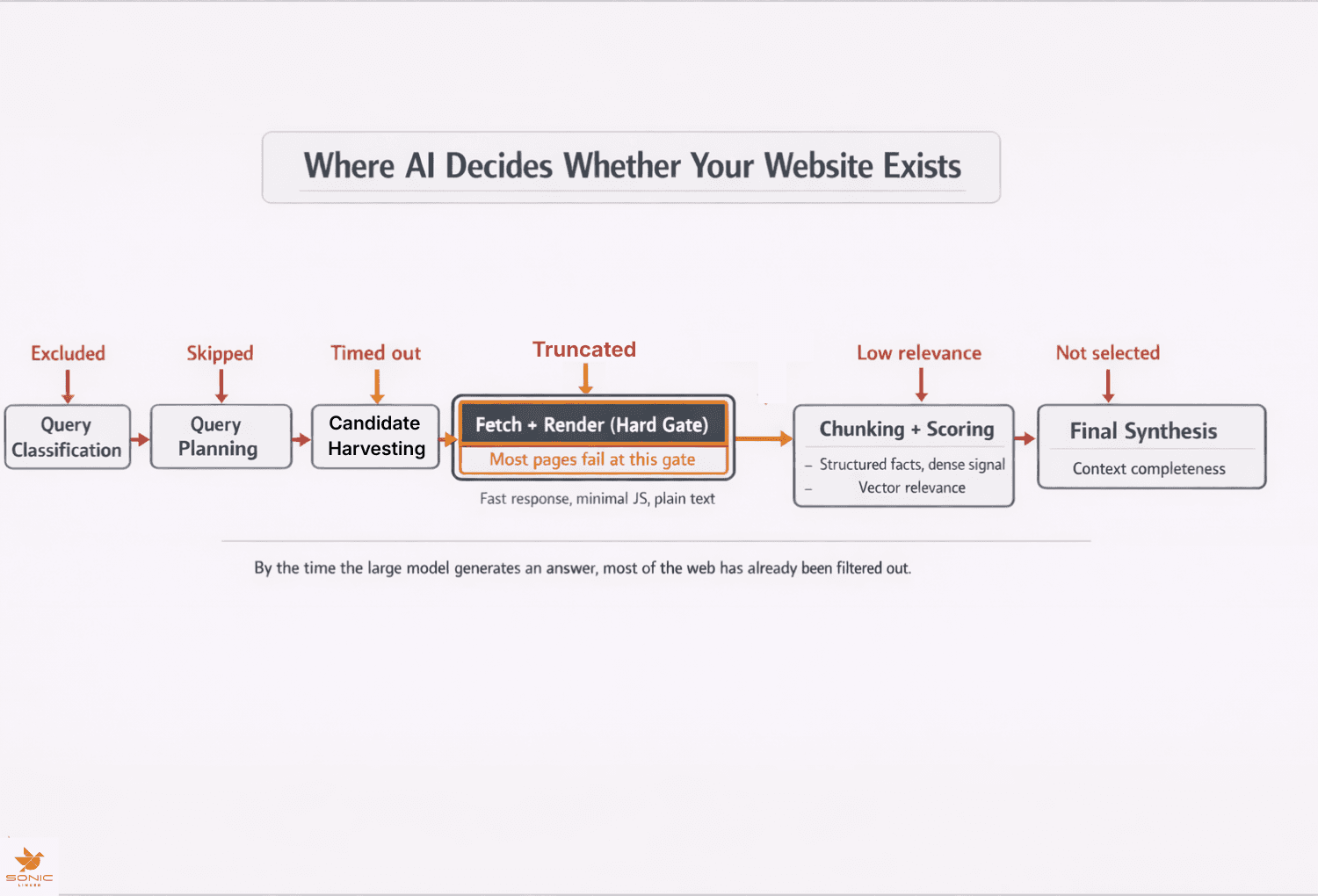
How ChatGPT Finds and Chooses Websites
Rajeev Kumar
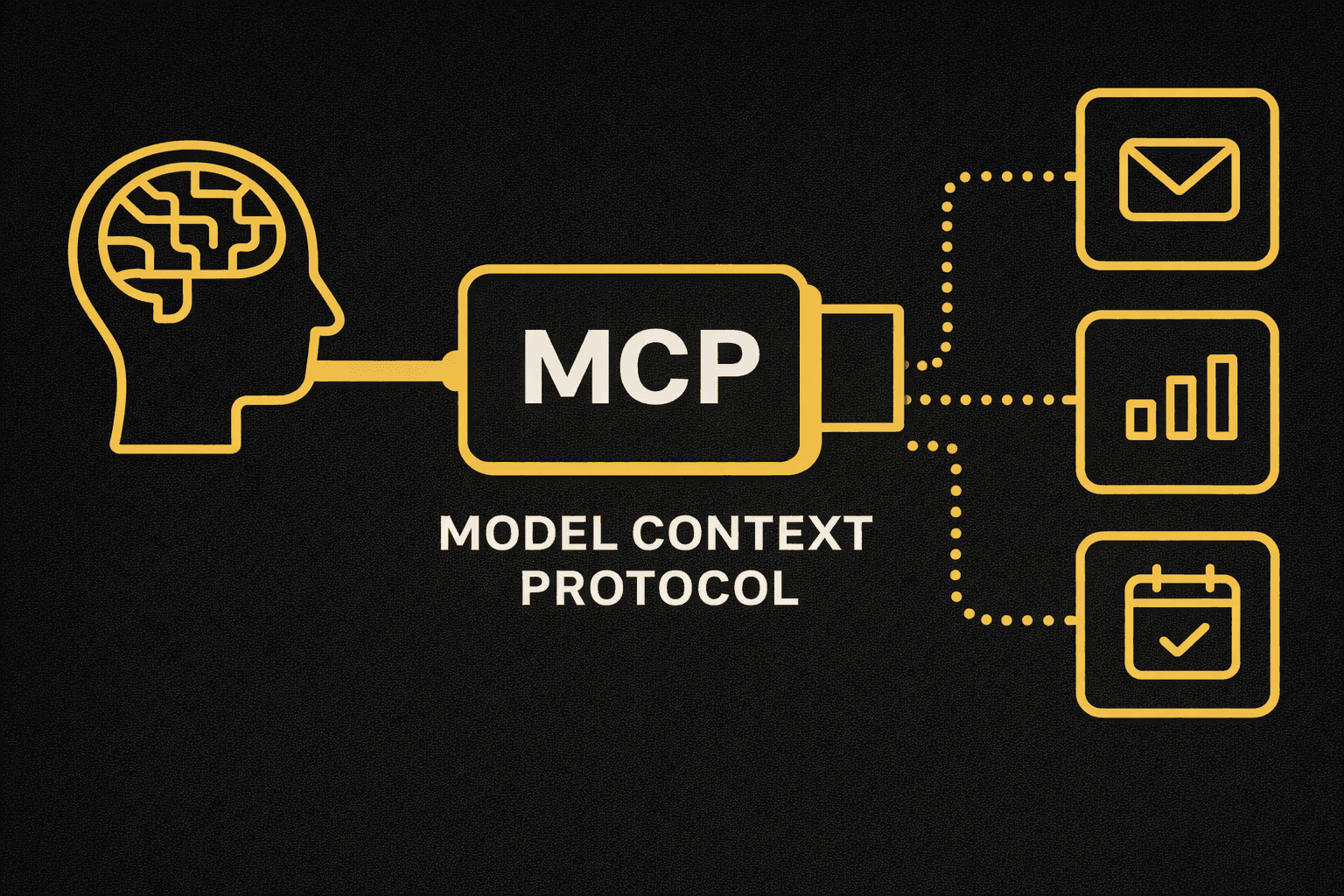
How LLMs Discover Your Model Context Protocol and Why It Matters
Rajeev Kumar

What You Should Know About Shopify’s Model Context Protocol
Rajeev Kumar
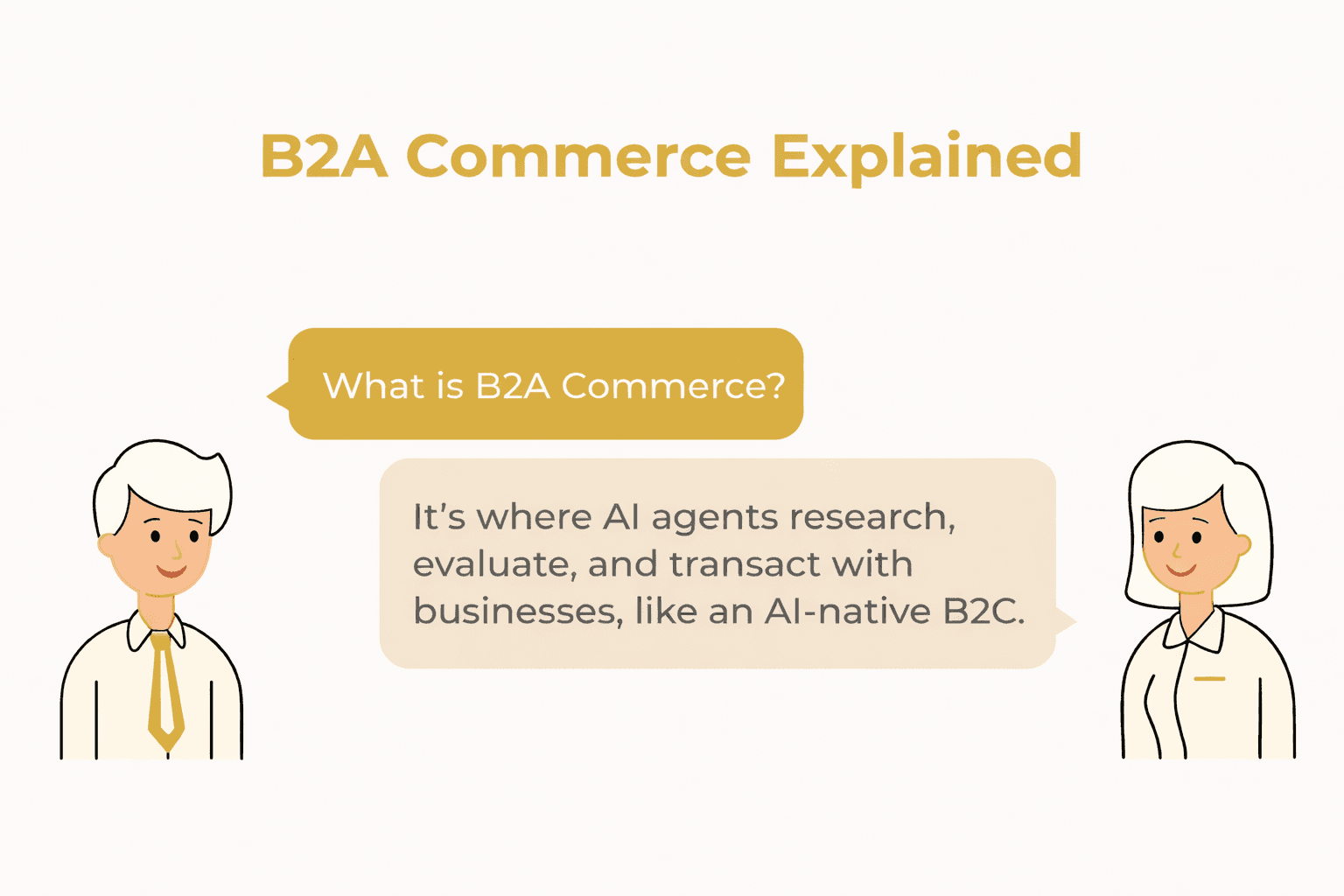
B2A Commerce Explained: Winning in an Era of AI Shopping Agents
Neeraj Jain
Agent-First Product Strategy: Building for AI Users, Not Humans
Kaushik Balasubramanian
Agentic Commerce Interfaces: How AI Agents Are Rewriting the Buying Experience
Rajeev Kumar
ChatGPT Apps just changed how customers buy (quietly)
Neeraj Jain
How AI Shopping Agents Change the Sales Funnel and Key Metrics
Ankit Biyani
AEO vs. GEO: The New Rules for AI Search Visibility
Ankit Biyani
How AI Shopping Agents Work and Why They Matter for Growth
Nikki Diwakar
How to Sell on ChatGPT: A Practical Guide to AI Commerce in 2026
Neeraj Jain
What is an AI-native website and why do you need one?
Ankit Biyani
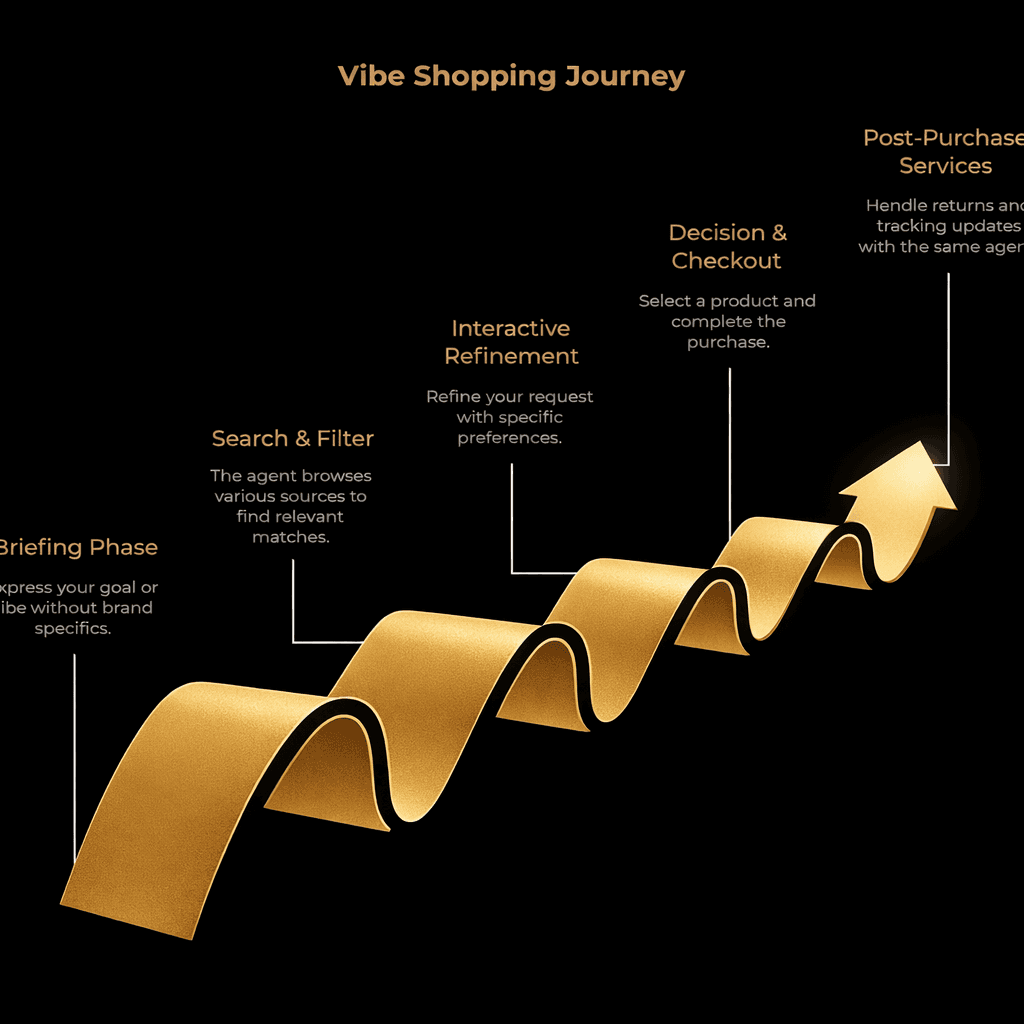
What Is Vibe Shopping and Why It Matters for Ecommerce Strategy
Neeraj Jain
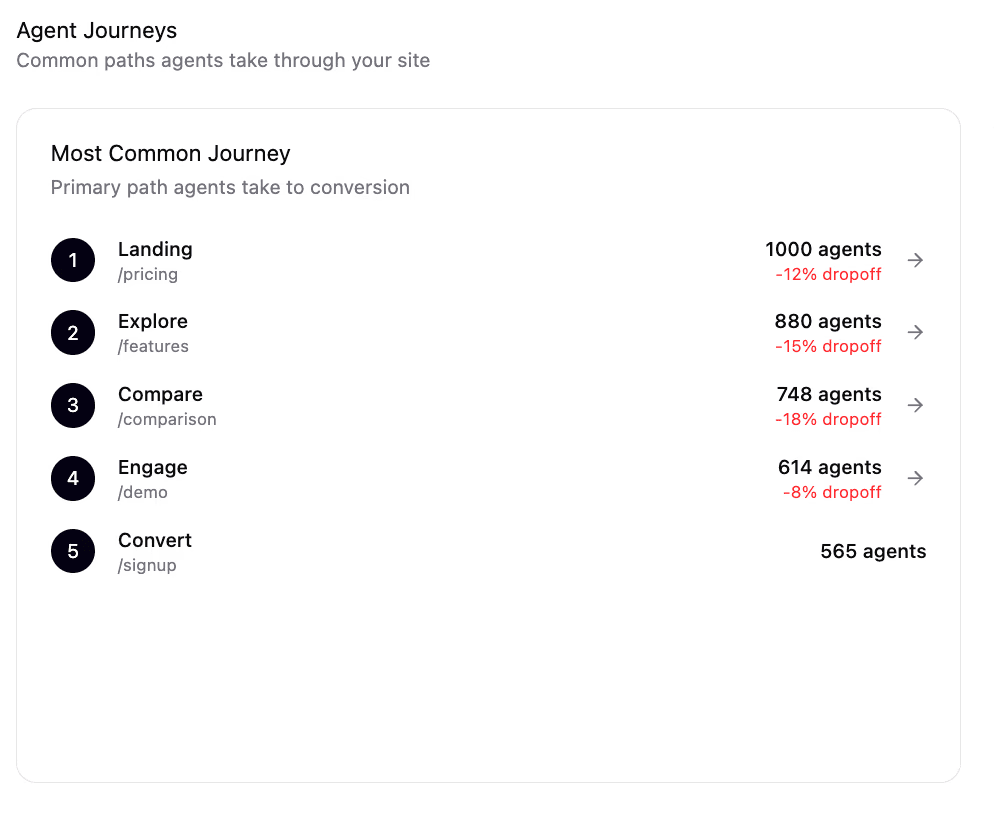
What your analytics misses: >20% of your “traffic” could be AI agents
Nikki Diwakar

Delegated Traffic: When AI agents own 80% of the buyer journey
Neeraj Jain