Nov 30, 2025
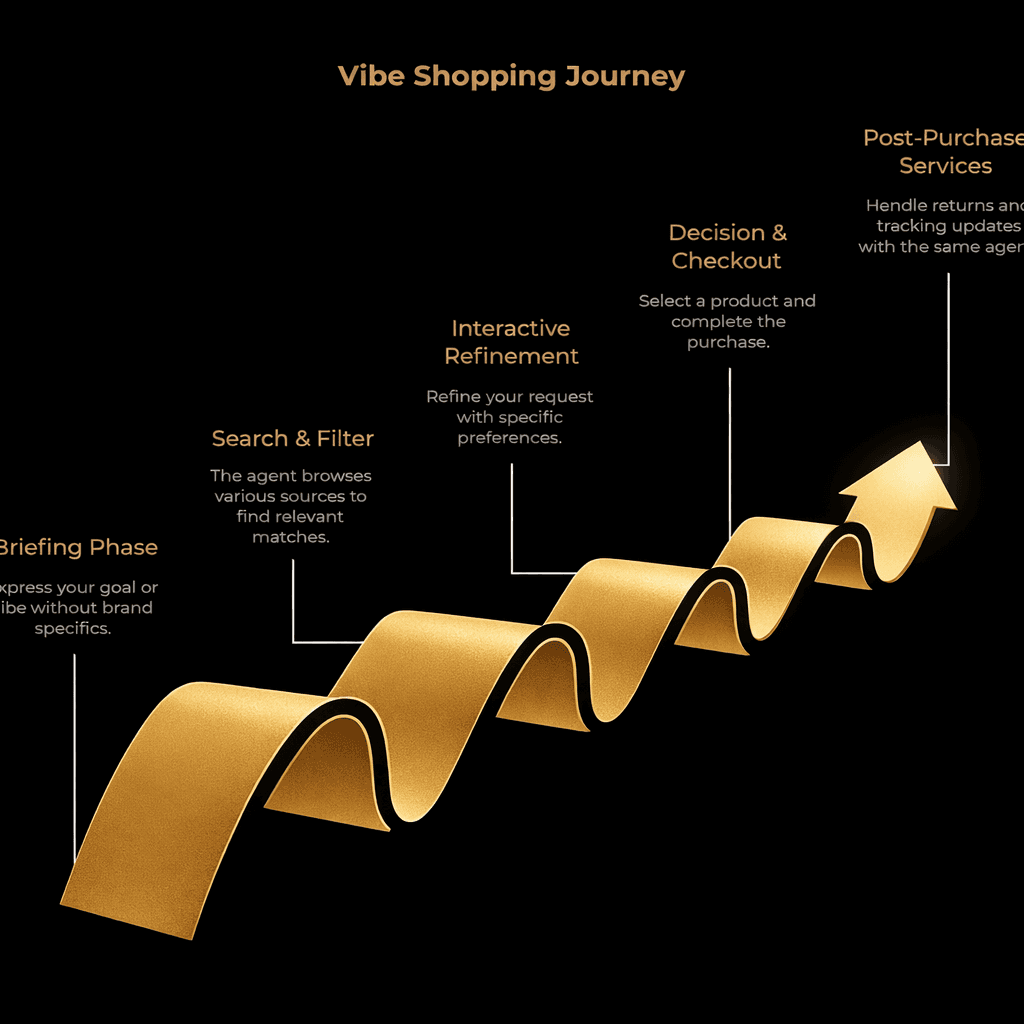
Search-driven ecommerce is optimized for keywords, filters, and comparison grids.
That model is breaking.
Consumers increasingly describe what they want in natural language, mood, intent, and constraints, then let AI translate that into product decisions. Instead of searching for “black leather couch under $2,000,” they ask for “a minimalist sofa that feels warm, fits a small apartment, and arrives this week.”
This shift is being labeled vibe shopping.
It is not a UI trend. It is a structural change in how demand is expressed, interpreted, and fulfilled.
For brands, this changes how products are discovered, how differentiation works, and where competitive advantage accumulates.
What vibe shopping actually means
Vibe shopping describes a buying flow where intent is expressed emotionally and contextually rather than through explicit product attributes.
The buyer communicates:
Mood and aesthetic preferences
Lifestyle context
Functional constraints
Budget and timing boundaries
Tradeoffs and priorities
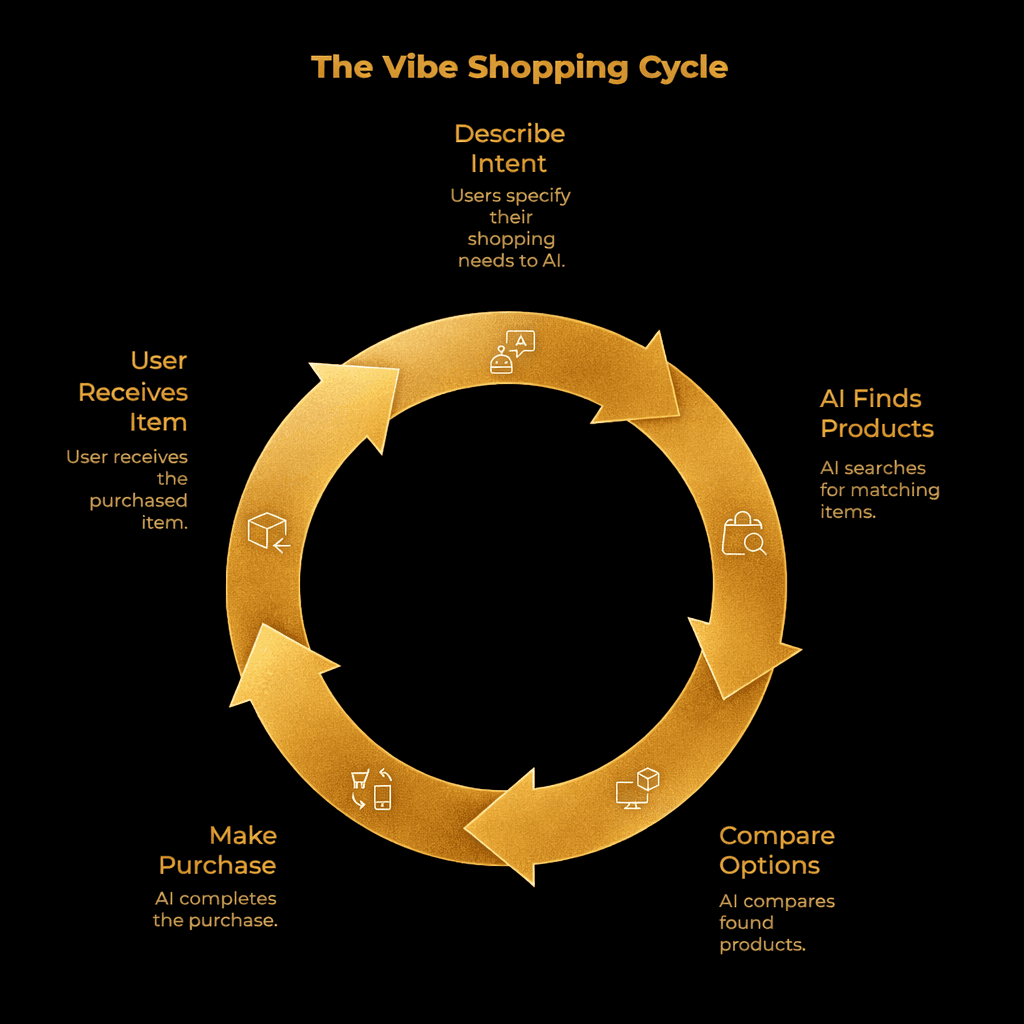
An AI agent interprets that signal, translates it into structured constraints, retrieves candidate products, evaluates fit, and increasingly completes the transaction.
The customer never manually compares SKUs, filters, or specifications.
The interface becomes conversational intent, not a catalog.
Why this matters strategically
Vibe shopping reshapes three fundamentals of ecommerce.
1. Discovery shifts from keywords to interpretation
Traditional discovery rewards keyword coverage, category architecture, and SEO mechanics.
Vibe-driven discovery rewards semantic clarity, structured product truth, and machine-readable attributes that map cleanly to intent signals.
If your product data cannot express “warm,” “durable,” “quiet,” “compact,” or “premium” in structured ways, you become invisible to intent interpretation.
2. Differentiation moves from branding to constraint satisfaction
In vibe shopping flows, agents optimize for fit, not persuasion.
They evaluate how well a product satisfies the expressed constraints and emotional intent.
Brand storytelling matters less than:
Attribute coverage
Consistency of data
Availability confidence
Delivery reliability
Policy clarity
Your product either fits the vibe or it does not.
3. The funnel collapses
Browsing, filtering, comparison, and validation compress into a single interaction.
This reduces:
Page views
Session depth
Traditional attribution visibility
It increases:
Zero-click decisioning
Agent-mediated selection
Upstream invisibility risk
If you are not selected by the agent, you may never appear in analytics.
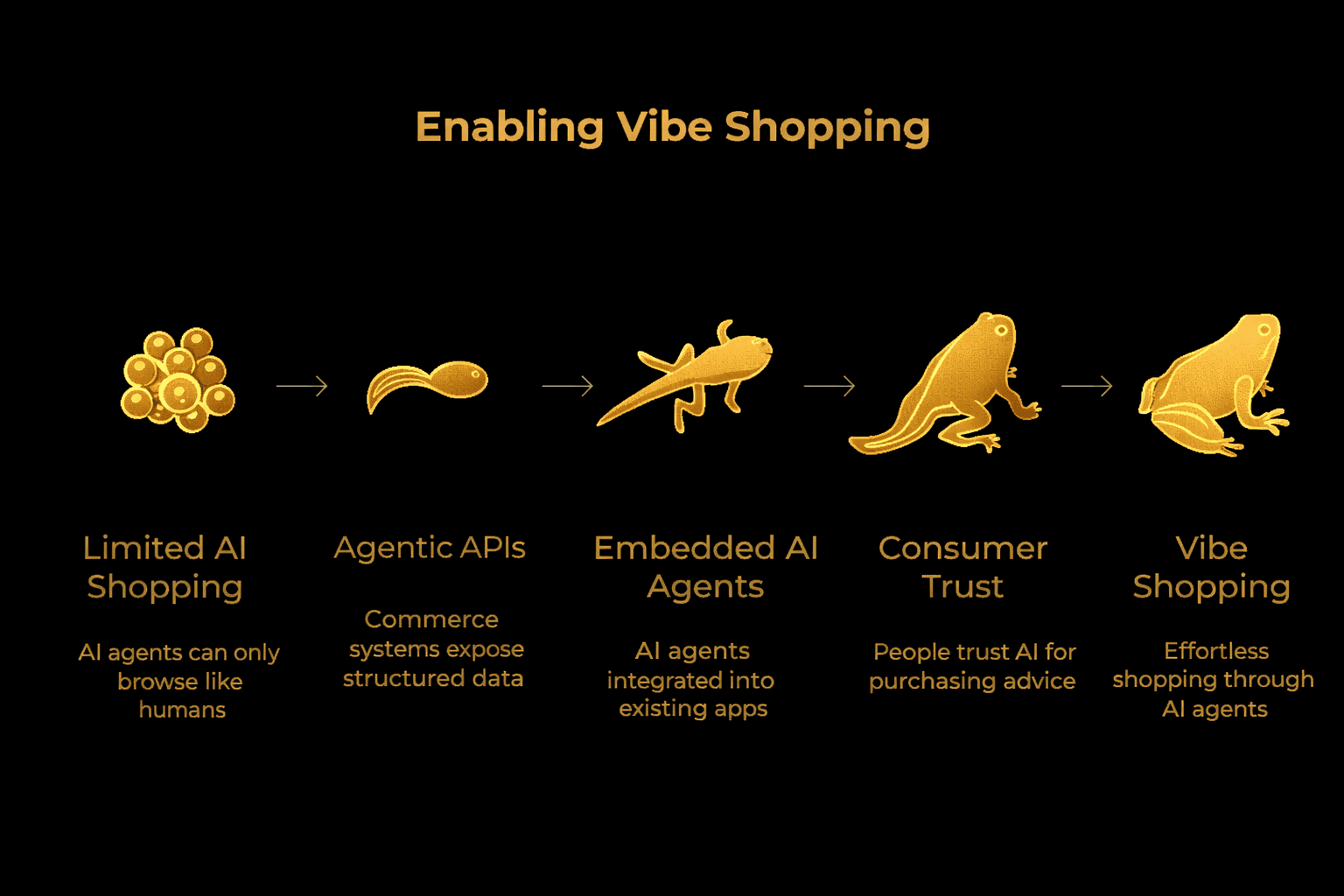
How vibe shopping actually works
A simplified flow looks like this:
The user expresses intent in natural language, mood, and context.
The AI extracts constraints and preference signals.
The agent retrieves products with compatible attributes.
Products are scored against fit, confidence, and availability.
The best option is recommended or purchased.
The limiting factor is not intelligence.
It is data quality.
Unstructured, inconsistent product data produces poor matching and exclusion.
What most teams misunderstand
Treating vibe as creative positioning
Teams assume vibe shopping is about branding, imagery, or tone.
It's not.
It's about whether your product attributes are machine-interpretable at scale.
Assuming SEO alone solves discovery
Keyword optimization does not translate directly into semantic matching.
Agents do not rank pages. They evaluate facts and attributes.
Expecting legacy analytics to capture impact
When the agent makes the decision, your funnel instrumentation breaks.
You need visibility into retrieval, matching, and selection layers, not clicks.
How to compete in a vibe-driven marketplace
This is an operational readiness problem.
1. Structure emotional attributes explicitly
Translate qualitative descriptors into structured fields where possible:
Comfort level
Noise profile
Aesthetic category
Usage environment
Durability tier
Maintenance expectations
If the attribute cannot be parsed, it cannot be matched.
2. Normalize product truth across systems
Ensure pricing, availability, variants, and policies remain consistent across every surface.
Agents penalize ambiguity.
3. Publish agent-readable endpoints
Expose stable, fast, predictable retrieval surfaces.
Avoid rendering dependencies and dynamic fragmentation.
4. Instrument agent-level visibility
Track:
Retrieval inclusion
Attribute match quality
Confidence scoring
Selection frequency
Fulfillment success
These become your new growth metrics.
Strategic implications for leadership
Vibe shopping forces organizational shifts:
Merchandising becomes data modeling
Marketing becomes semantic clarity
UX becomes systems reliability
Analytics becomes agent telemetry
The teams that adapt fastest will shape category visibility.
Those that wait will lose demand silently.
Where SonicLinker fits
SonicLinker helps brands understand how AI agents interpret, match, and act on product data in vibe-driven discovery flows.
It surfaces mismatches between how products are described and how agents actually interpret them, enabling teams to close visibility gaps quickly.
The bottom line
Vibe shopping is not about vibes.
It is about whether your product truth is structured enough for machines to translate human intent into reliable decisions.
If your data cannot express what your product feels like, means, and fits, AI agents will choose someone else.
Read more from our blog
Agentic Interfaces and the Future of UX
Jan 28, 2026
By Nikki Diwakar
How Visa Enables AI Agents to Shop and Pay
Jan 26, 2026
By Nikki Diwakar
How To Measure AI Agents When Google Analytics Cannot
Jan 23, 2026
By Nikki Diwakar
How ChatGPT Finds and Chooses Websites
Jan 21, 2026
By Nikki Diwakar
How LLMs Discover Your Model Context Protocol and Why It Matters
Jan 19, 2026
By Nikki Diwakar

What You Should Know About Shopify’s Model Context Protocol
Jan 13, 2026
By Nikki Diwakar
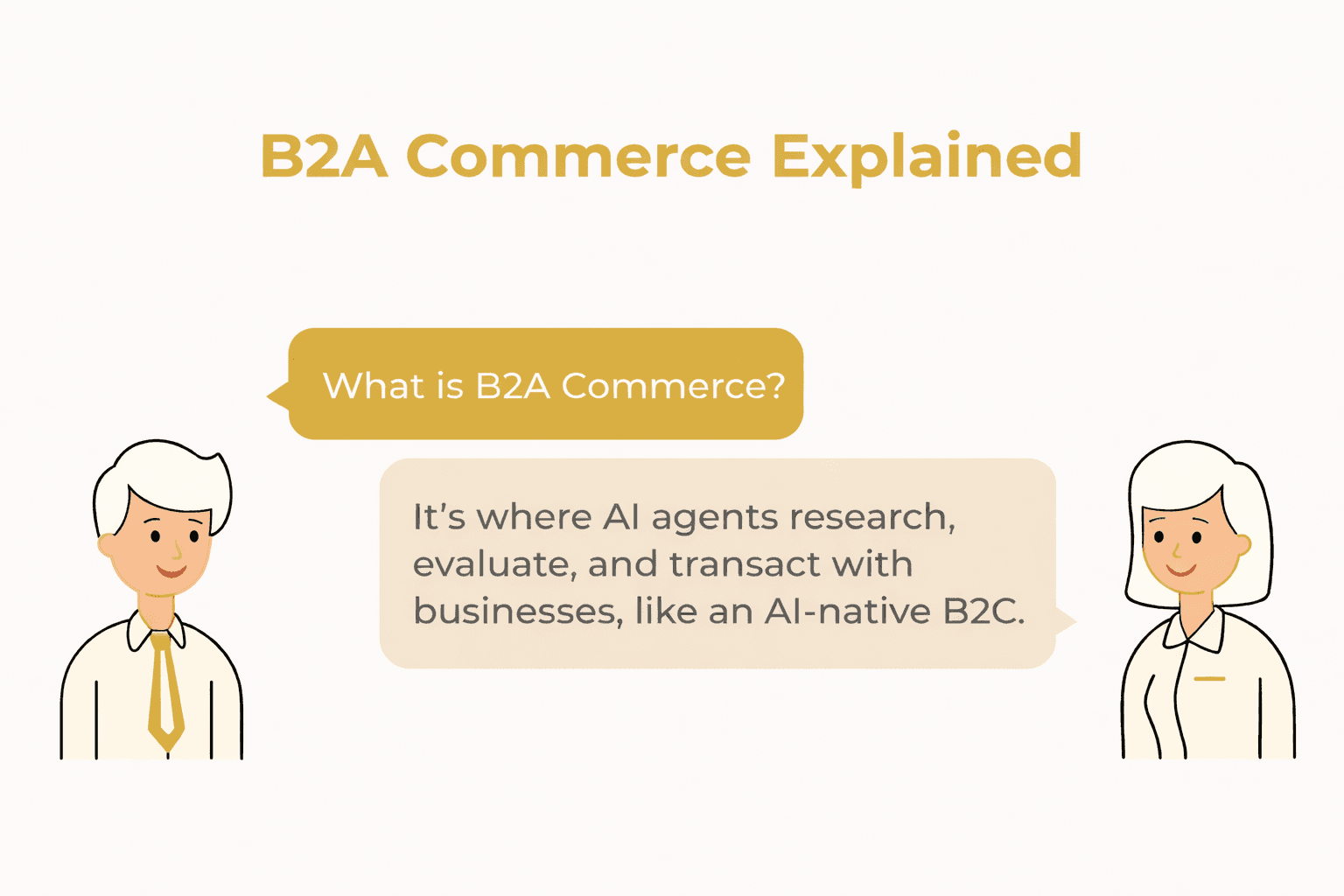
B2A Commerce Explained: Winning in an Era of AI Shopping Agents
Jan 12, 2026
By Nikki Diwakar
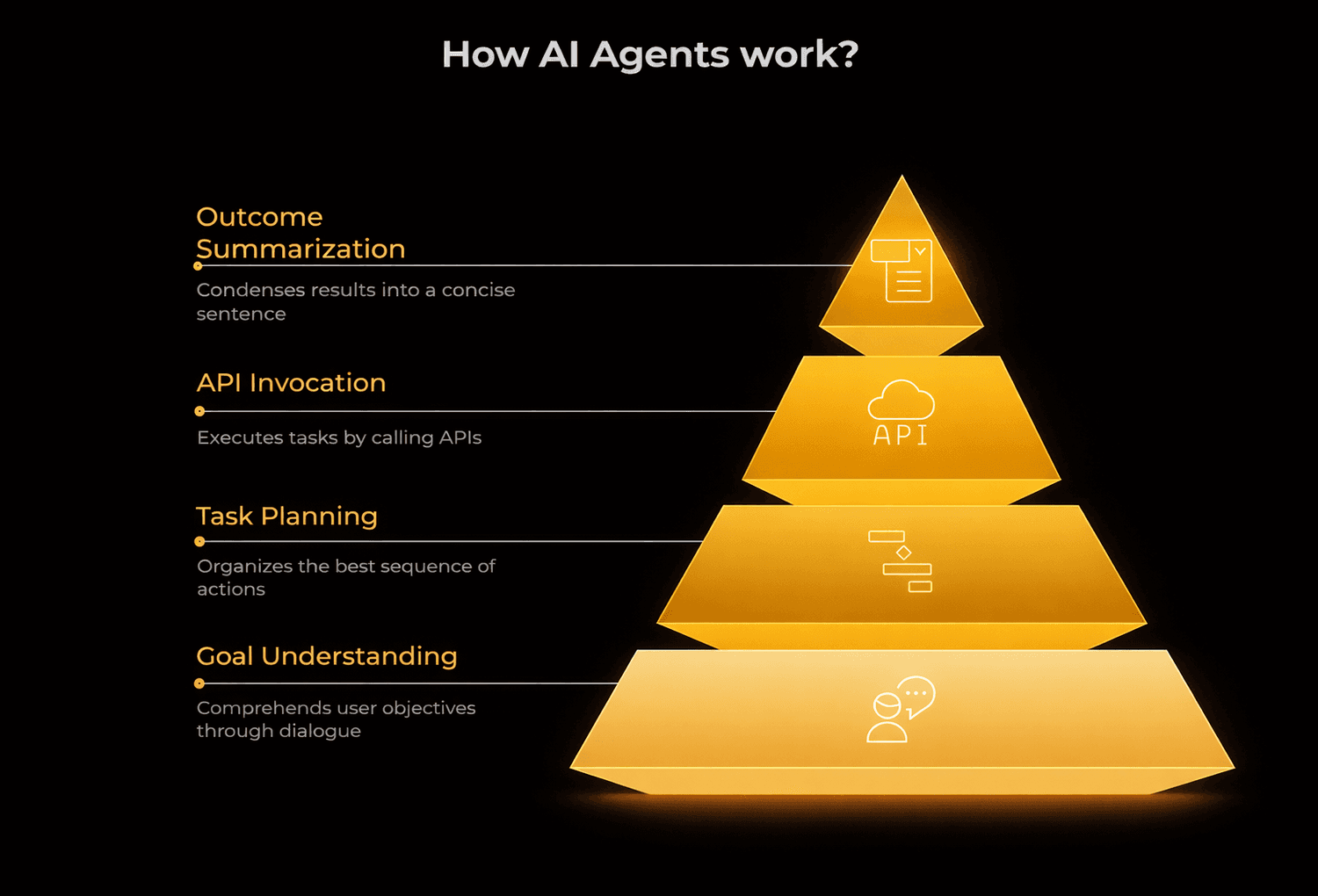
Agent-First Product Strategy: Building for AI Users, Not Humans
Jan 7, 2026
By Nikki Diwakar
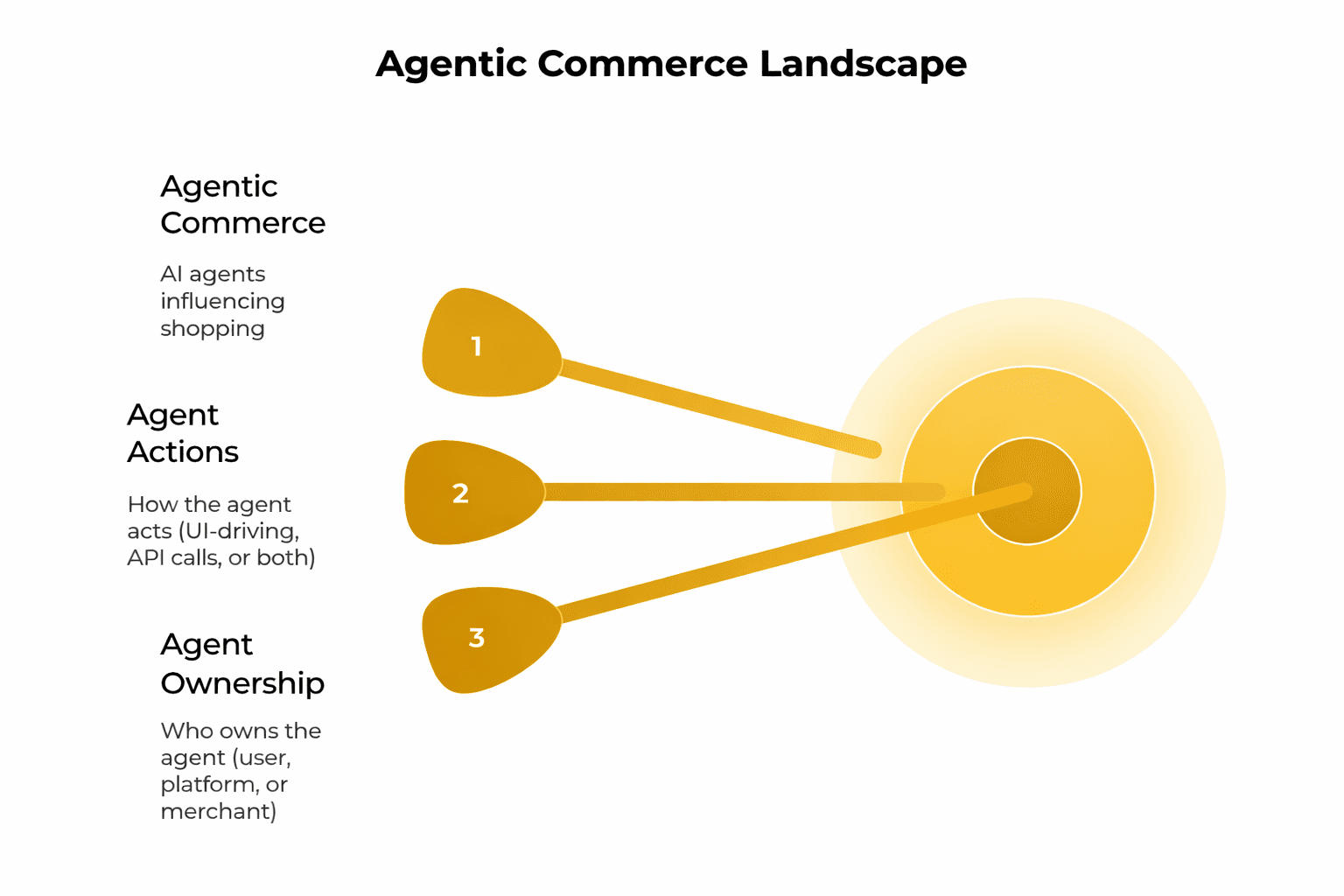
Agentic Commerce Interfaces: How AI Agents Are Rewriting the Buying Experience
Jan 5, 2026
By Nikki Diwakar
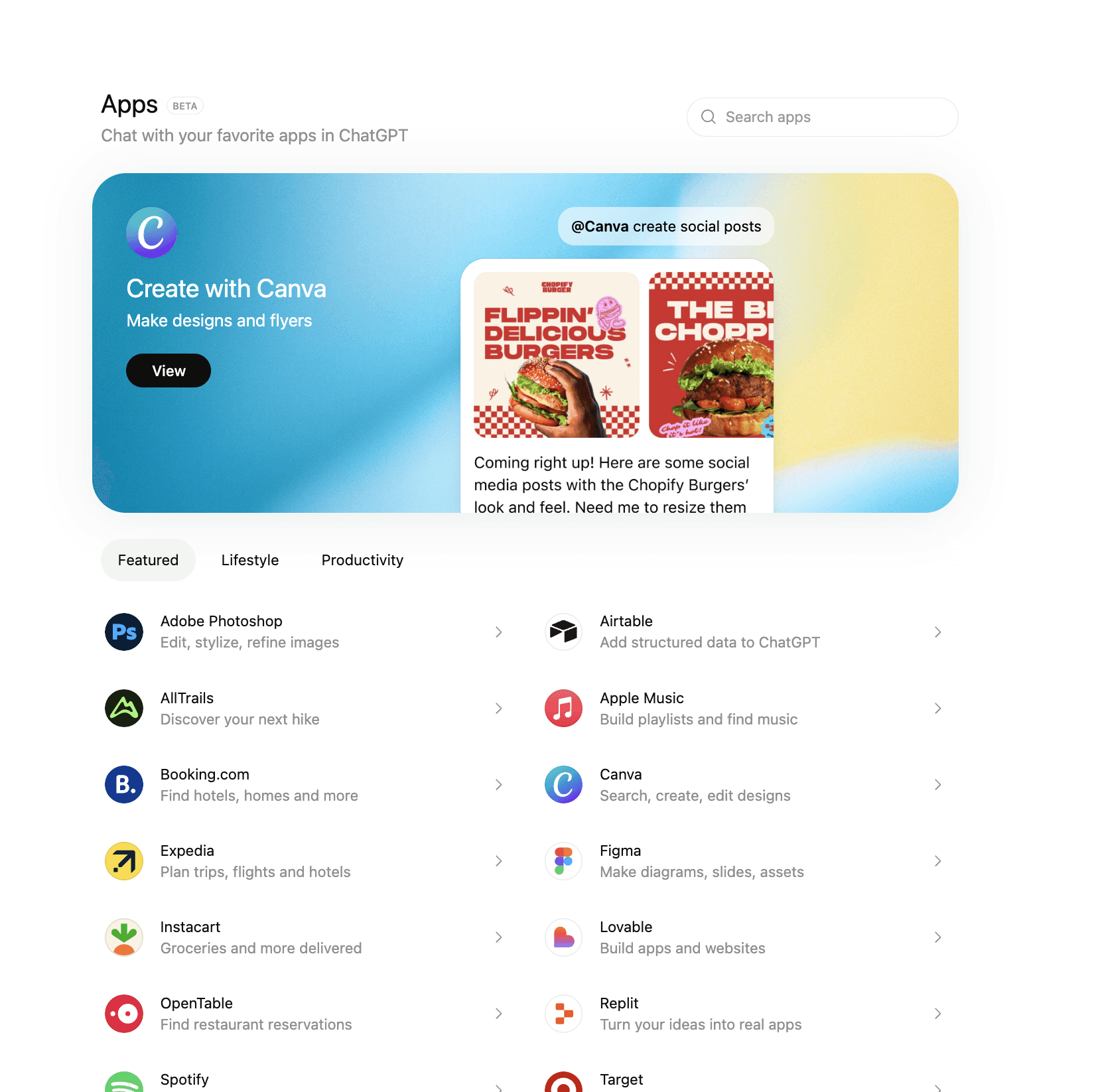
ChatGPT Apps just changed how customers buy (quietly)
Dec 31, 2025
By Nikki Diwakar
How AI Shopping Agents Change the Sales Funnel and Key Metrics
Dec 26, 2025
By Nikki Diwakar
AEO vs. GEO: The New Rules for AI Search Visibility
Dec 15, 2025
By Nikki Diwakar
How AI Shopping Agents Work and Why They Matter for Growth
Dec 10, 2025
By Nikki Diwakar
How to Sell on ChatGPT: A Practical Guide to AI Commerce in 2026
Dec 4, 2025
By Nikki Diwakar
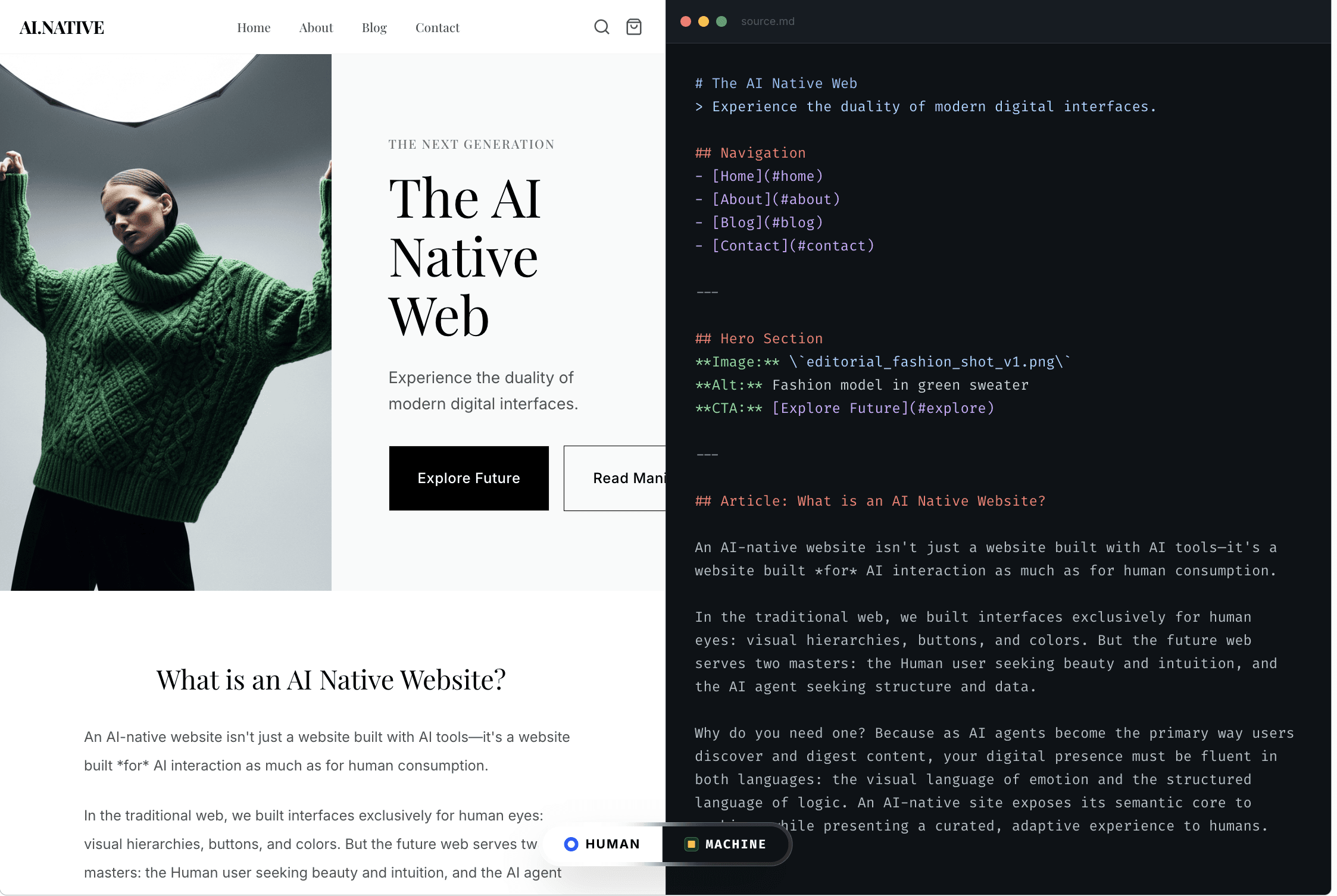
What is an AI-native website and why do you need one?
Nov 30, 2025
By Nikki Diwakar
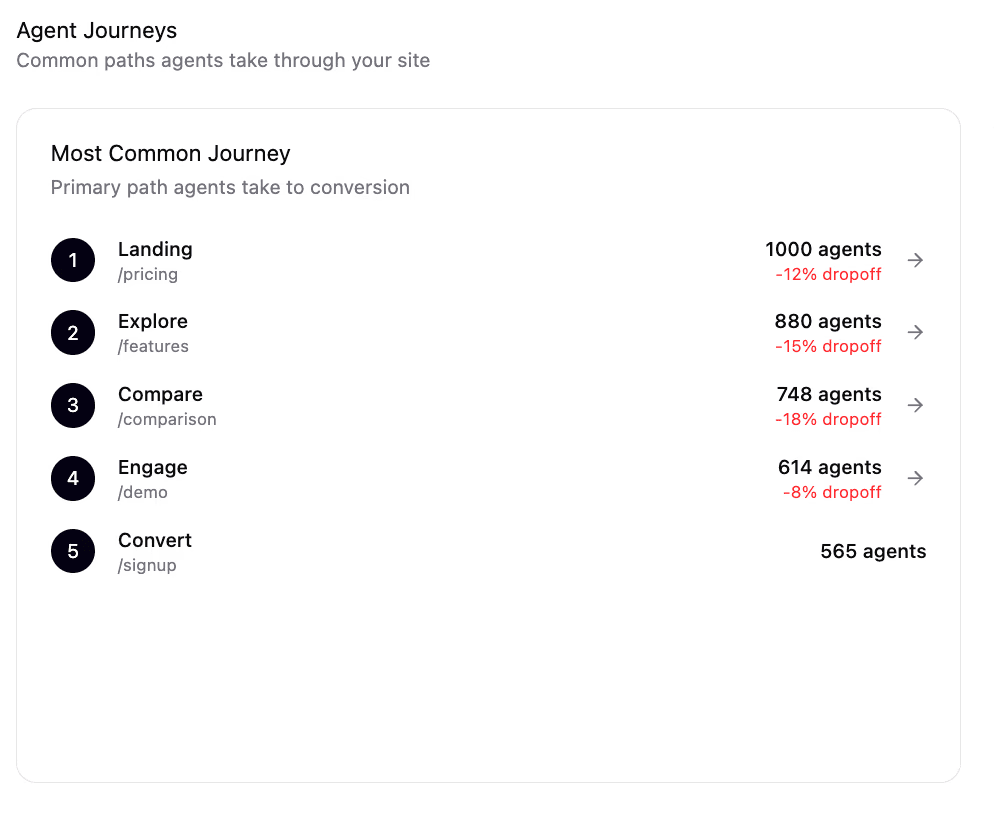
What your analytics misses: >20% of your “traffic” could be AI agents
Nov 18, 2025
By Nikki Diwakar
Delegated Traffic: When AI agents own 80% of the buyer journey
Oct 21, 2025
By Nikki Diwakar