Nov 30, 2025
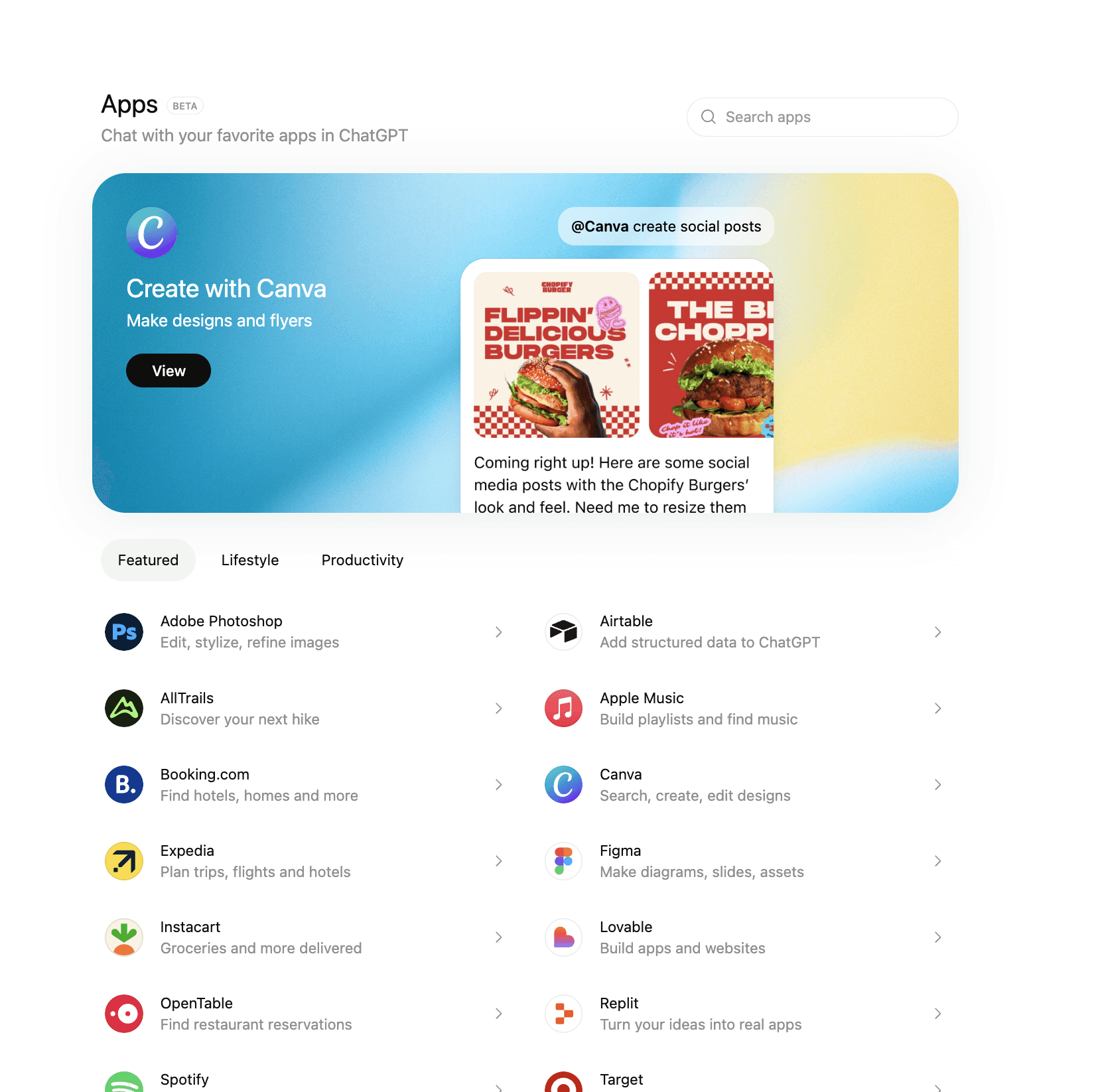
ChatGPT isn’t just answering questions anymore.
It can now run apps inside the conversation - interactive tools that fetch live data, show options, and help users move forward without bouncing across 10 tabs. (OpenAI Help Center)
That’s a platform shift, not a feature.
Because it changes the buyer journey.
The old flow vs the new flow
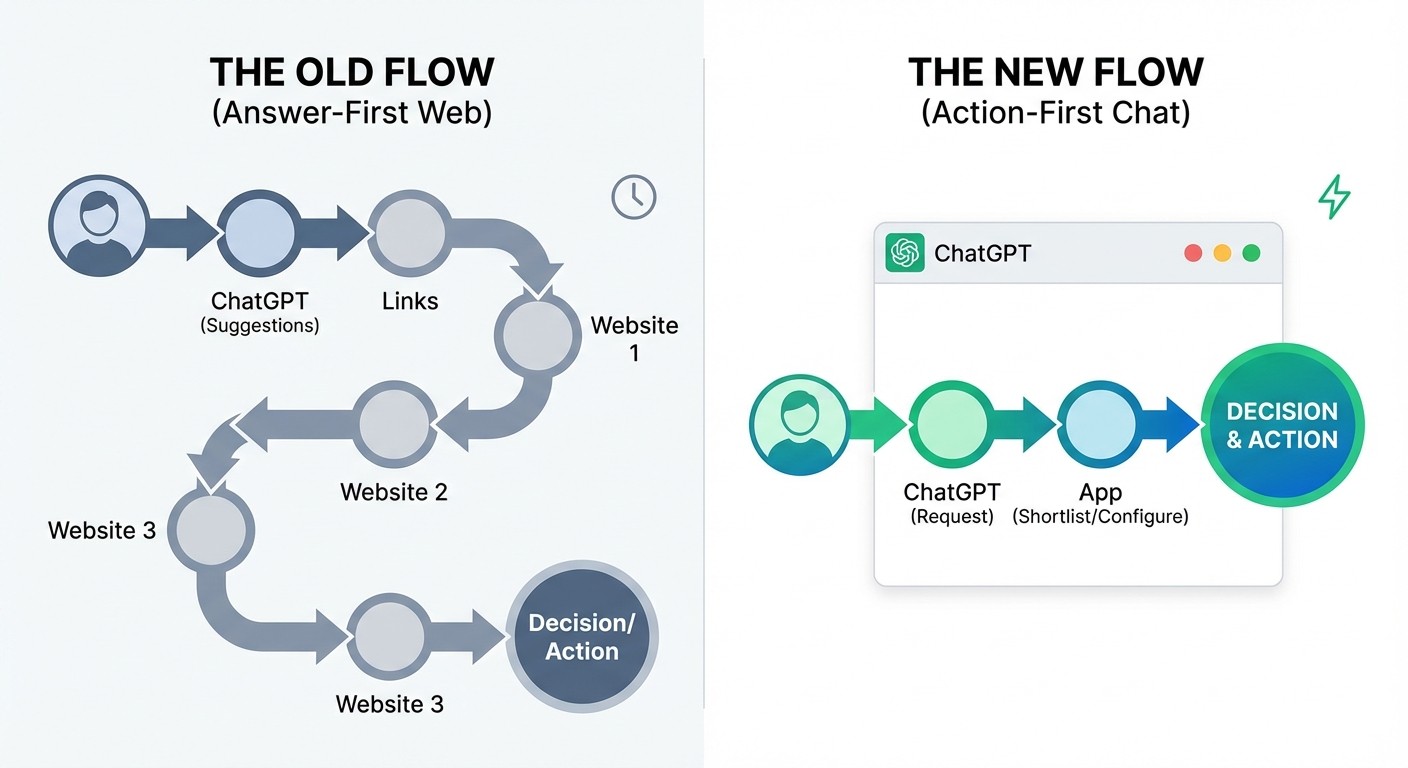
Earlier (answer-first web):
Buyer → ChatGPT → links → your website → action
Now (action-first chat):
Buyer → ChatGPT → app → shortlist / configure / decide → (sometimes) your website to finish
The important part isn’t “users never leave ChatGPT.” That’s not always true.
The important part is: the decision gets made inside ChatGPT. And your website might only get the “final click” - if you even get that.
A simple example: “Hotel in New York under $250”
User asks:
“Find me a hotel in New York under $250 for next weekend.”
Before apps, ChatGPT would give suggestions and links.
With apps, ChatGPT can call a travel app, pull real-time availability and pricing, and present options directly in chat. The user can refine the shortlist, compare, and decide — then finish booking where needed. (TechCrunch)
That one change has a brutal implication:
If you’re not in the app layer, you’re not in the shortlist.
What counts as a “ChatGPT app”?
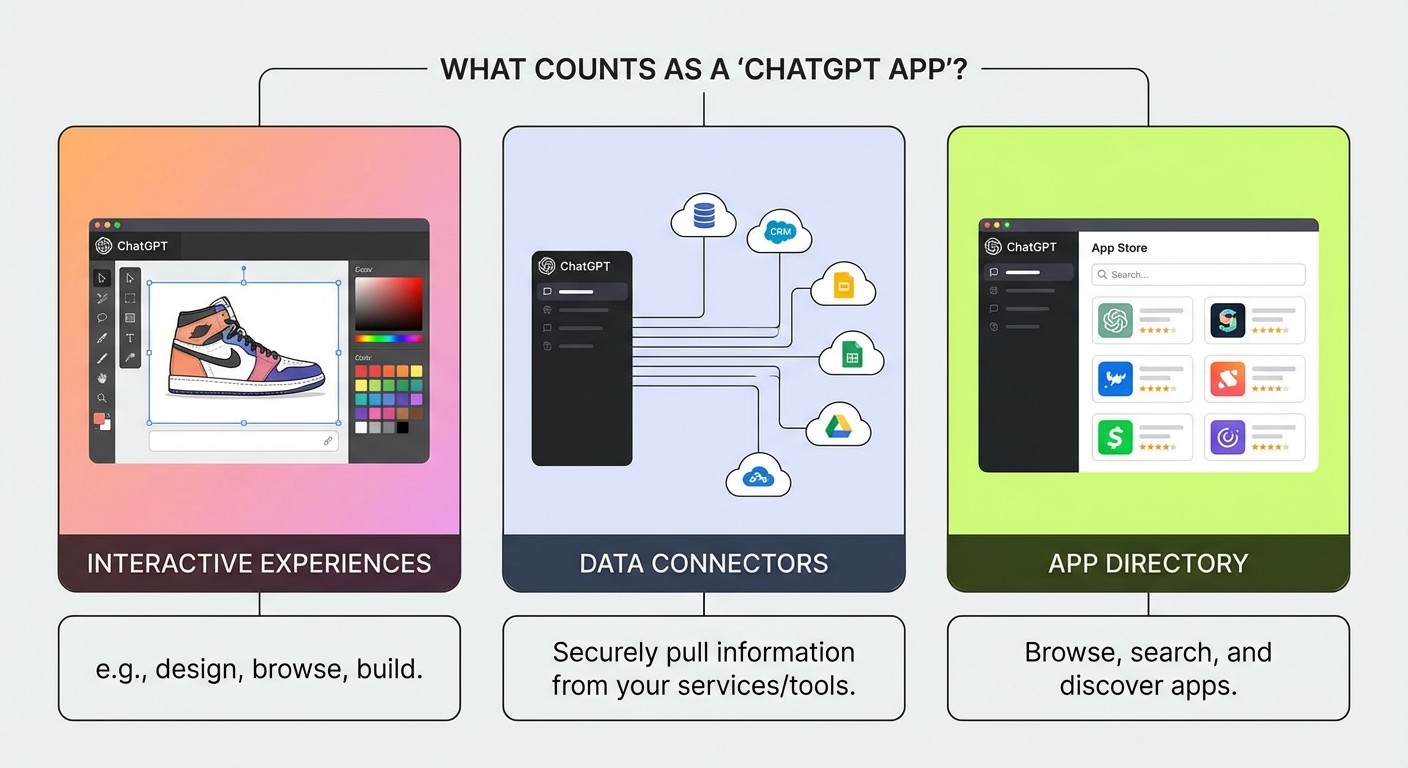
OpenAI’s “apps” umbrella includes:
Interactive in-chat experiences (e.g., design something, browse listings, build a deck)
Connectors that securely pull information from your services/tools (these have been grouped under “apps” terminology) (OpenAI Help Center)
There’s also now an App Directory inside ChatGPT where users can browse/search apps, and developers can submit apps for review and publishing. (OpenAI)
How does ChatGPT decide when to use an app?
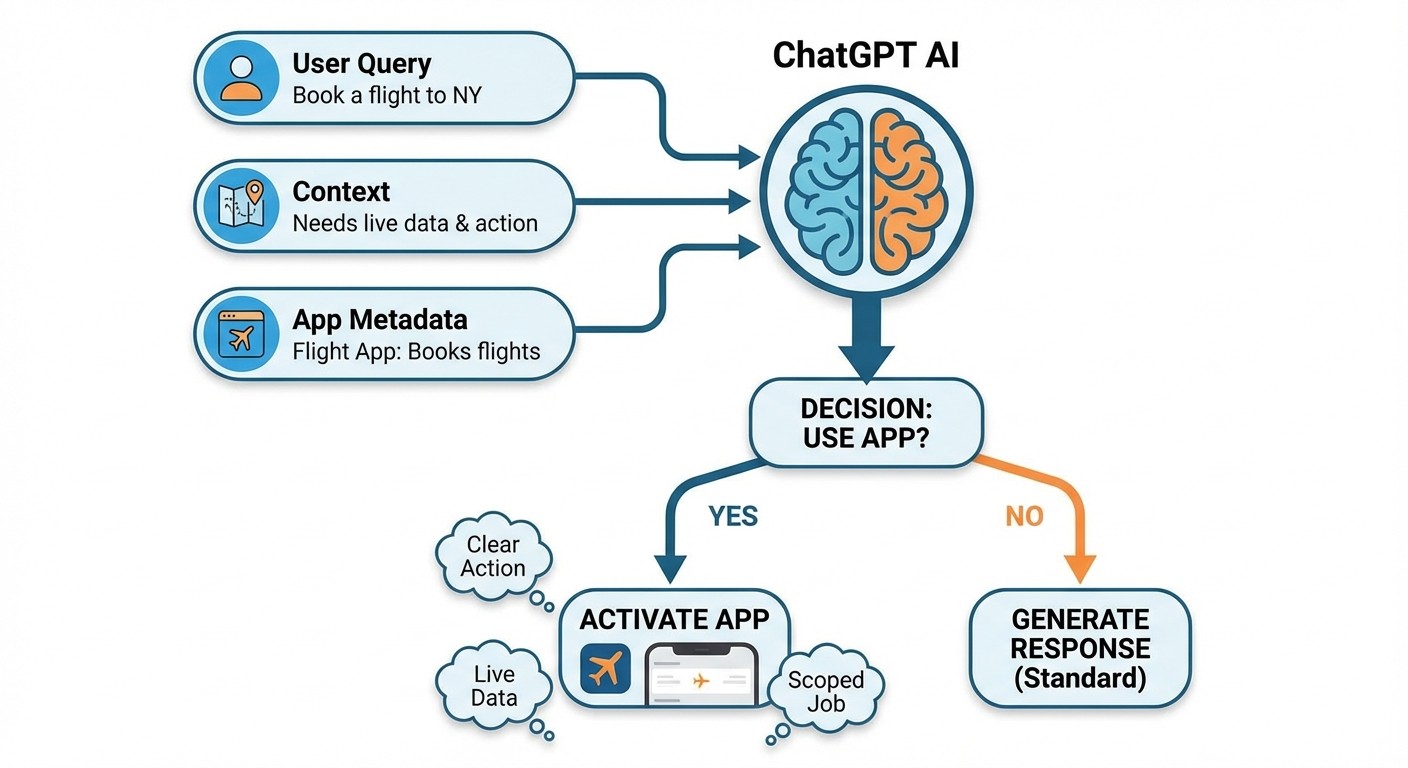
It’s not random. Apps show up when they’re clearly the best way to complete a job.
In practice, apps tend to get used when:
The query is action-oriented (“book”, “compare”, “design”, “order”, “pull data from…”)
The task needs live or structured data
The app is clearly scoped to a single job (not a vague “do everything” tool)
Also: users can explicitly invoke apps (for example by typing “@AppName” in many experiences). (ChatGPT)
Why this matters for brands (and why SEO alone won’t save you)
You’re used to fighting for:
a Google ranking
a marketplace category position
a retargeting funnel click
Now there’s a new battleground: being the tool ChatGPT chooses when a user wants to do something.
This is the same shift we saw on mobile:
First you ranked in search
Then users stayed inside apps
Now users stay inside assistants that call apps
If you sell anything transactional (tickets, travel, food, creative work, documents, SaaS workflows), this is coming for you fast. (Reuters)
What you should do next (practical playbook)
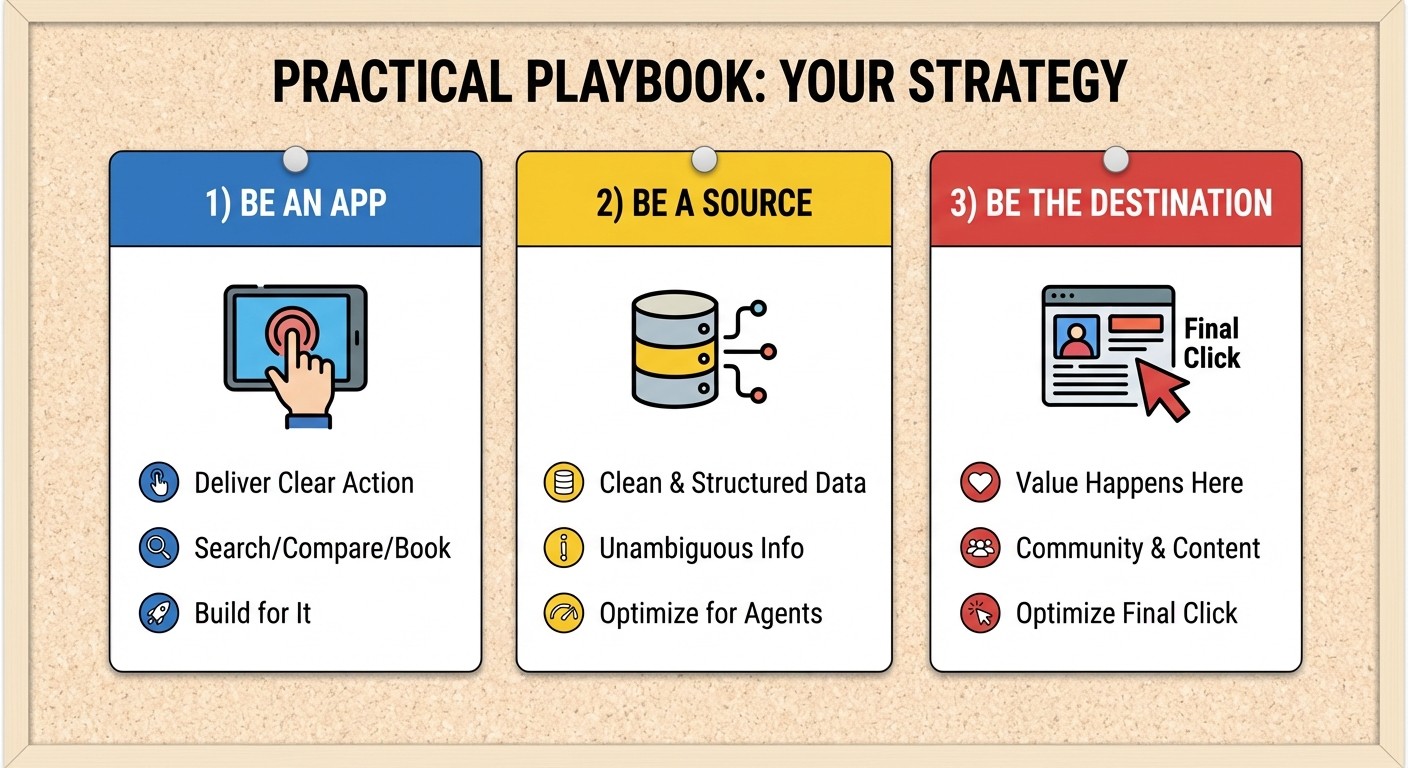
1) Decide your strategy: app vs source vs destination
You basically have three options:
A) Be an app
If you can deliver a clear action (search, compare, configure, generate, order, book), build for it.
B) Be a source
If you can’t be an app, make sure your information is so clean + structured + unambiguous that apps/agents can reliably use it.
C) Be the destination
If your site is where the value happens (community, long-form content, product trial), optimize for “the final click” but assume users arrive after deciding.
2) If you’re building an app, keep it brutally narrow
The winners won’t be “Swiss army knife” apps. They’ll be one-job apps:
“Compare X under budget Y”
“Generate asset Z from inputs”
“Fetch latest status/prices for items A/B/C”
“Turn document into output format Q”
If the job isn’t obvious, ChatGPT won’t pick you.
3) Treat “tool metadata” like your new landing page
In a world where apps are discovered inside ChatGPT, your “first impression” is:
app name
description
capability scope
trust signals (what data you access, what actions you can take)
That’s your new homepage.
4) Instrument your funnel for “assistant-led buying”
Start tracking:
visits that come from ChatGPT/answer engines
which pages get hit before conversion
where users drop (because decision already happened elsewhere)
If you don’t measure it, you’ll keep investing in the wrong funnel.
The punchline
ChatGPT is turning into a distribution layer.
Links still matter. Websites still matter. But the leverage is shifting toward being callable inside the assistant, either as an app, or as the cleanest source it can trust.
If you’re building for growth, this is not “future talk”. It’s a 2026 reality.
Read more from our blog
Agentic Interfaces and the Future of UX
Jan 28, 2026
By Nikki Diwakar
How Visa Enables AI Agents to Shop and Pay
Jan 26, 2026
By Nikki Diwakar
How To Measure AI Agents When Google Analytics Cannot
Jan 23, 2026
By Nikki Diwakar
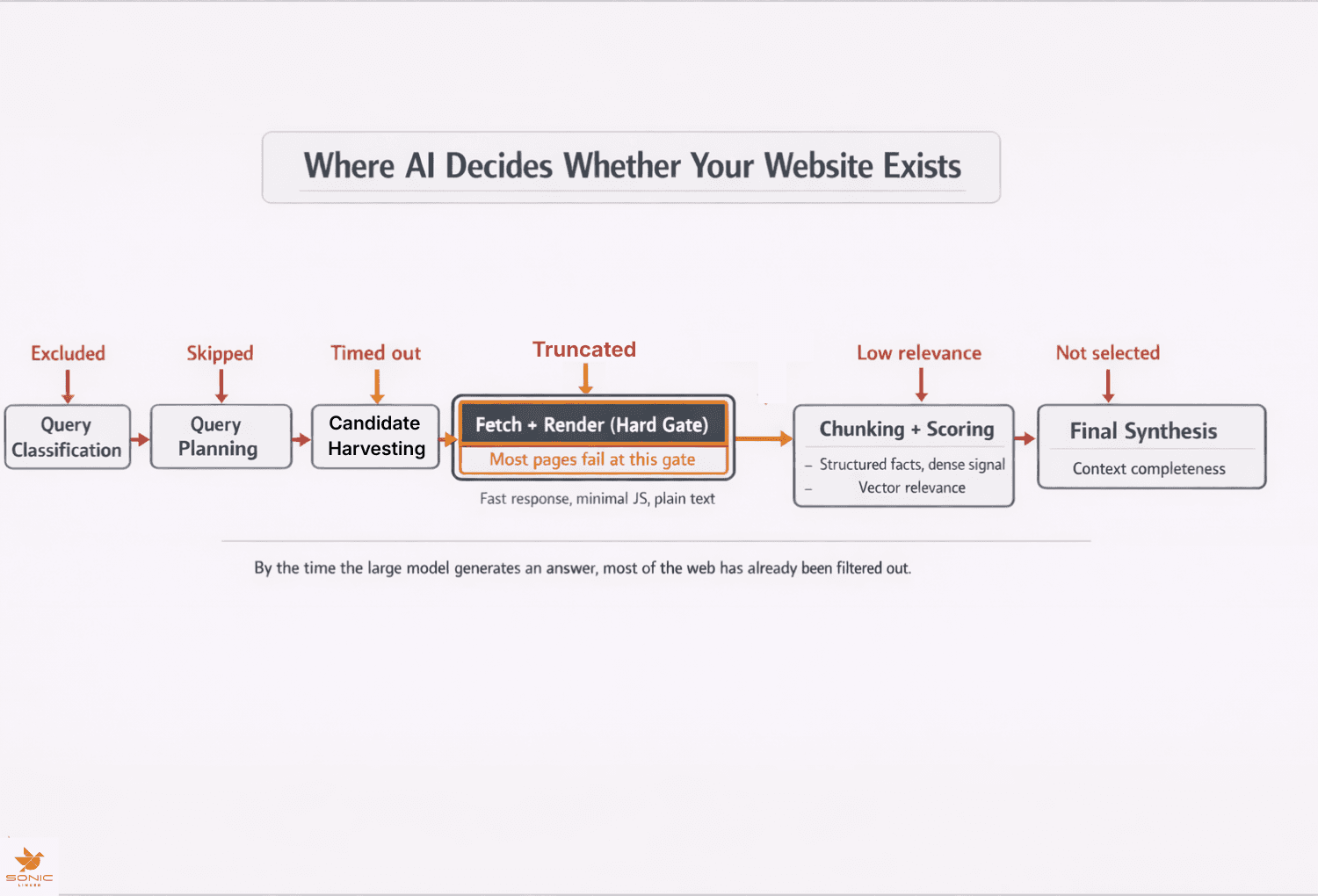
How ChatGPT Finds and Chooses Websites
Jan 21, 2026
By Nikki Diwakar
How LLMs Discover Your Model Context Protocol and Why It Matters
Jan 19, 2026
By Nikki Diwakar

What You Should Know About Shopify’s Model Context Protocol
Jan 13, 2026
By Nikki Diwakar
B2A Commerce Explained: Winning in an Era of AI Shopping Agents
Jan 12, 2026
By Nikki Diwakar
Agent-First Product Strategy: Building for AI Users, Not Humans
Jan 7, 2026
By Nikki Diwakar
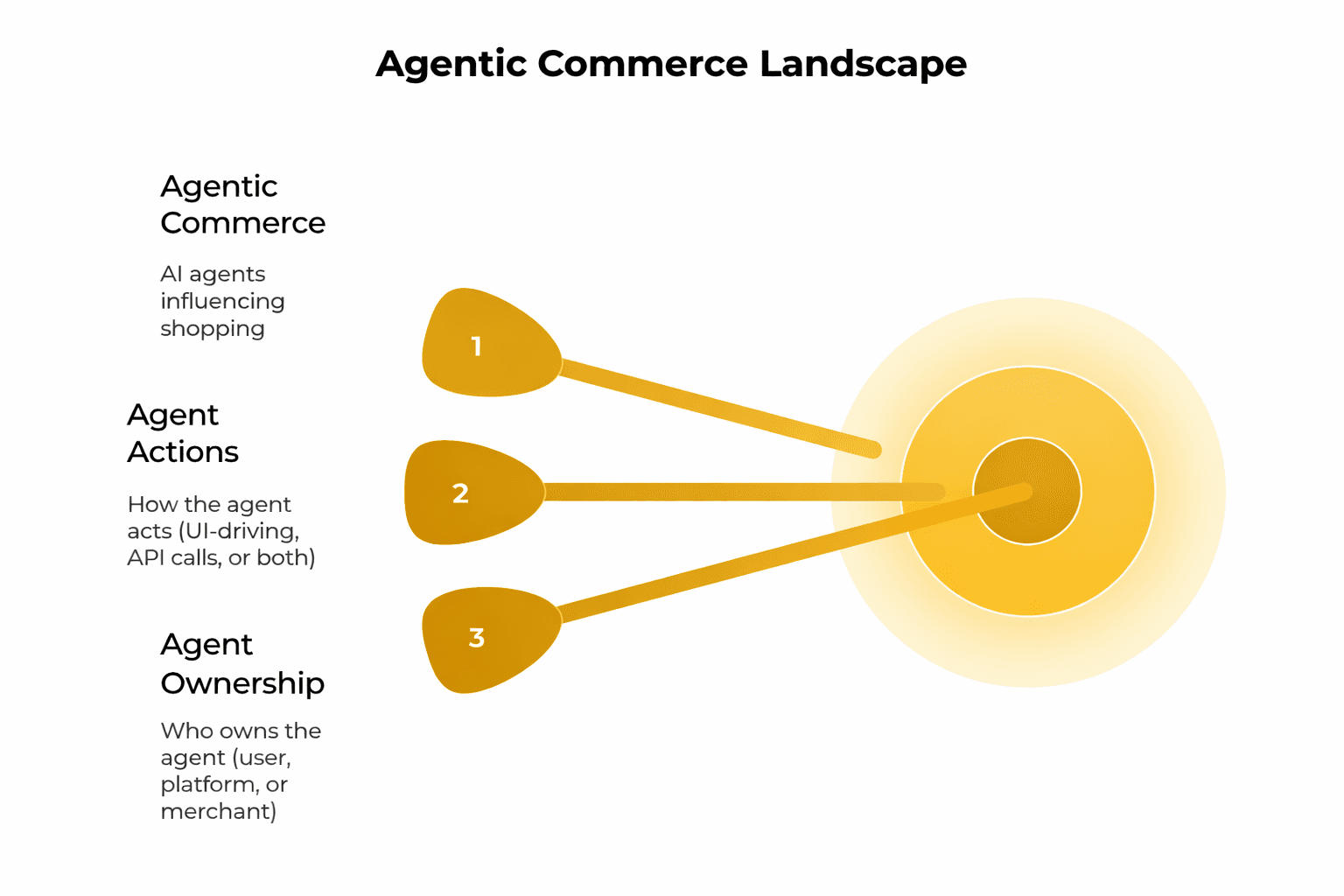
Agentic Commerce Interfaces: How AI Agents Are Rewriting the Buying Experience
Jan 5, 2026
By Nikki Diwakar
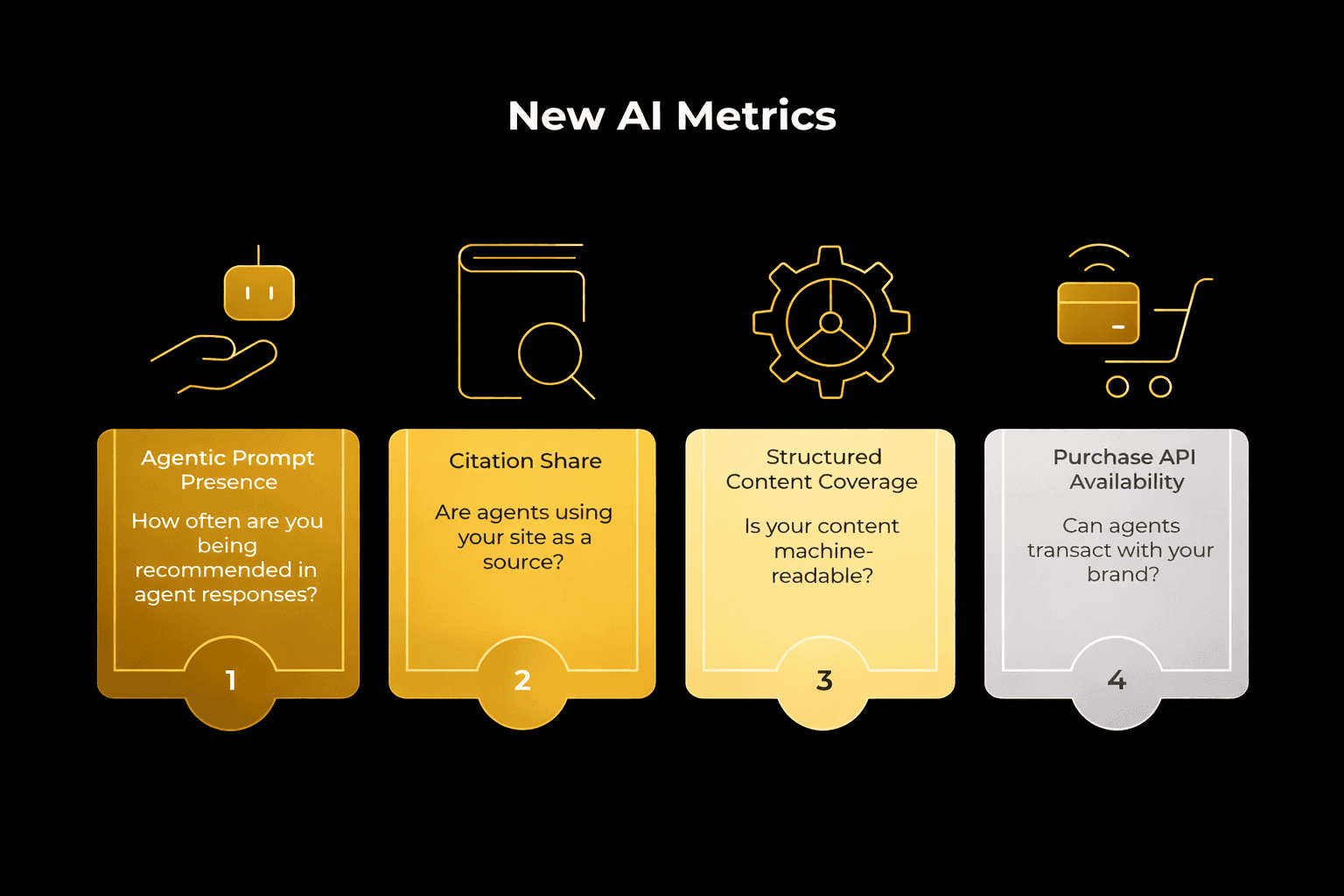
How AI Shopping Agents Change the Sales Funnel and Key Metrics
Dec 26, 2025
By Nikki Diwakar
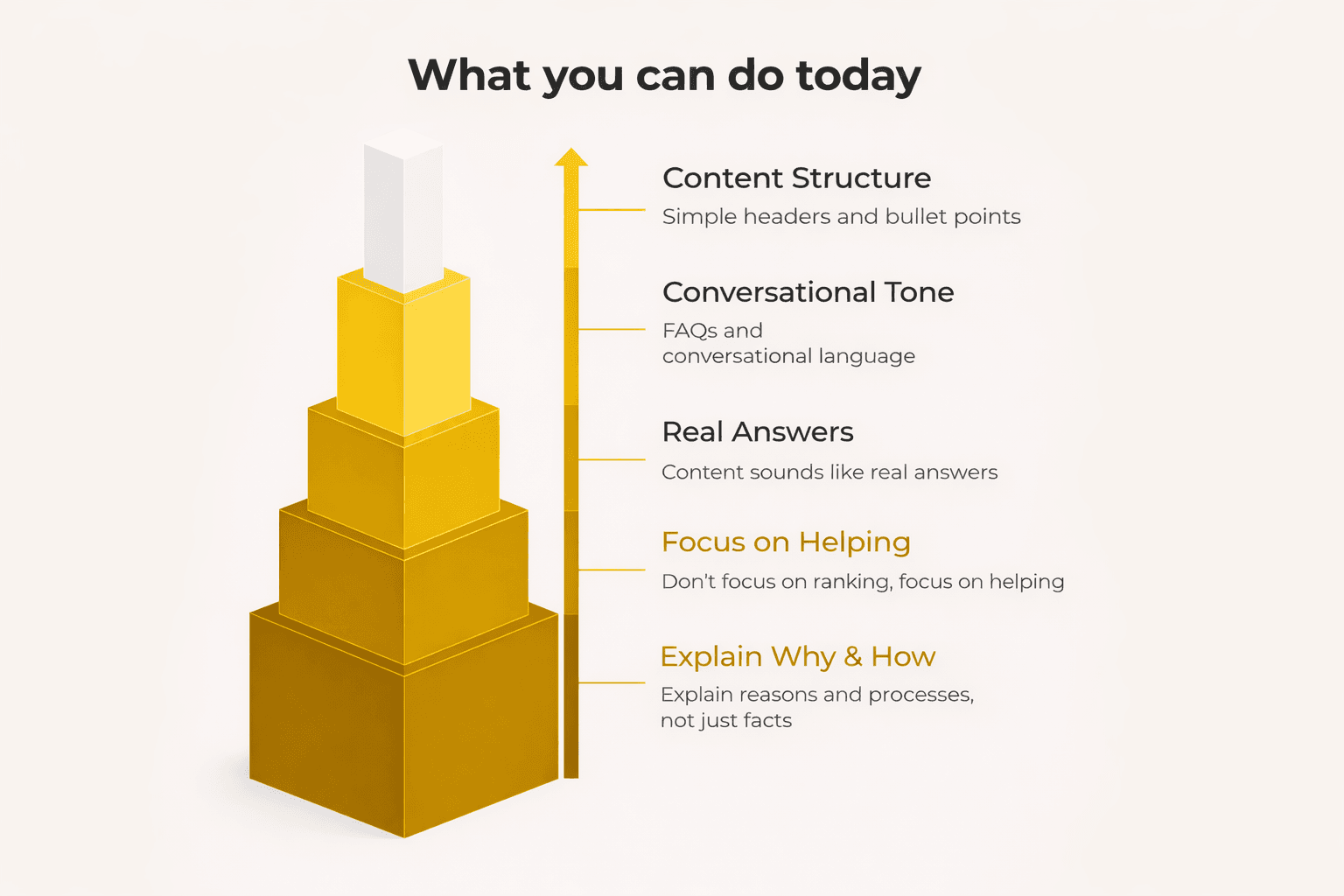
AEO vs. GEO: The New Rules for AI Search Visibility
Dec 15, 2025
By Nikki Diwakar
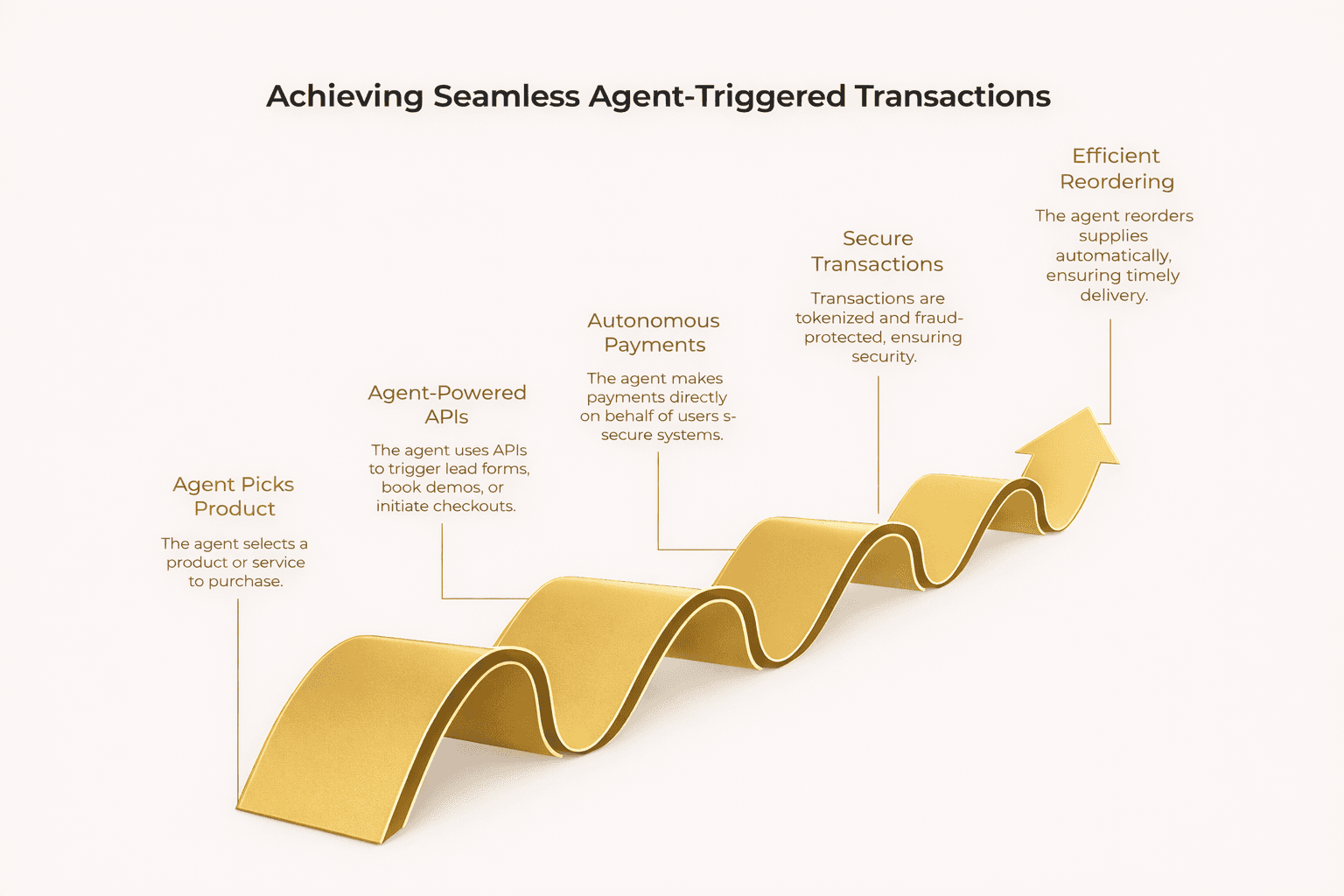
How AI Shopping Agents Work and Why They Matter for Growth
Dec 10, 2025
By Nikki Diwakar
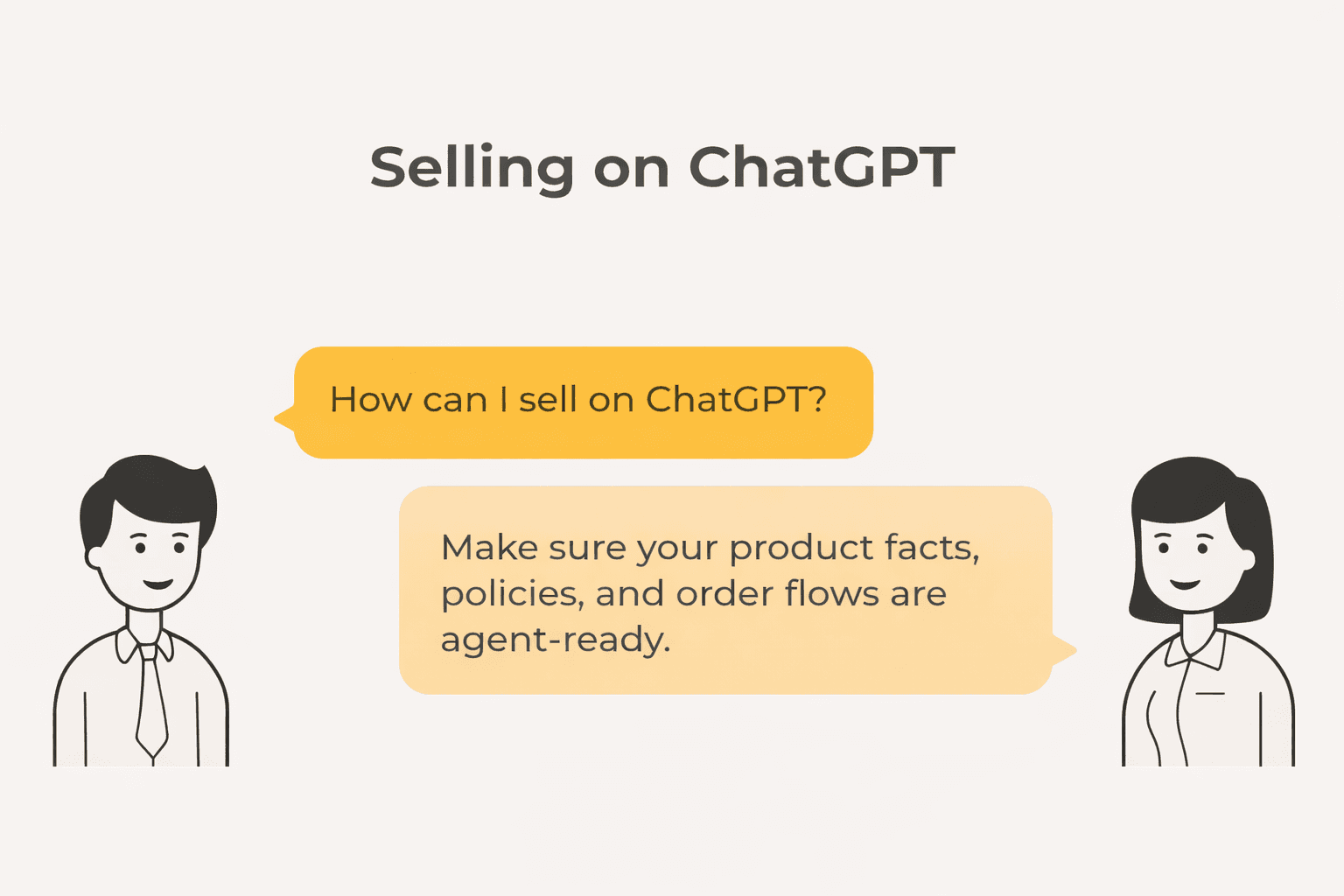
How to Sell on ChatGPT: A Practical Guide to AI Commerce in 2026
Dec 4, 2025
By Nikki Diwakar
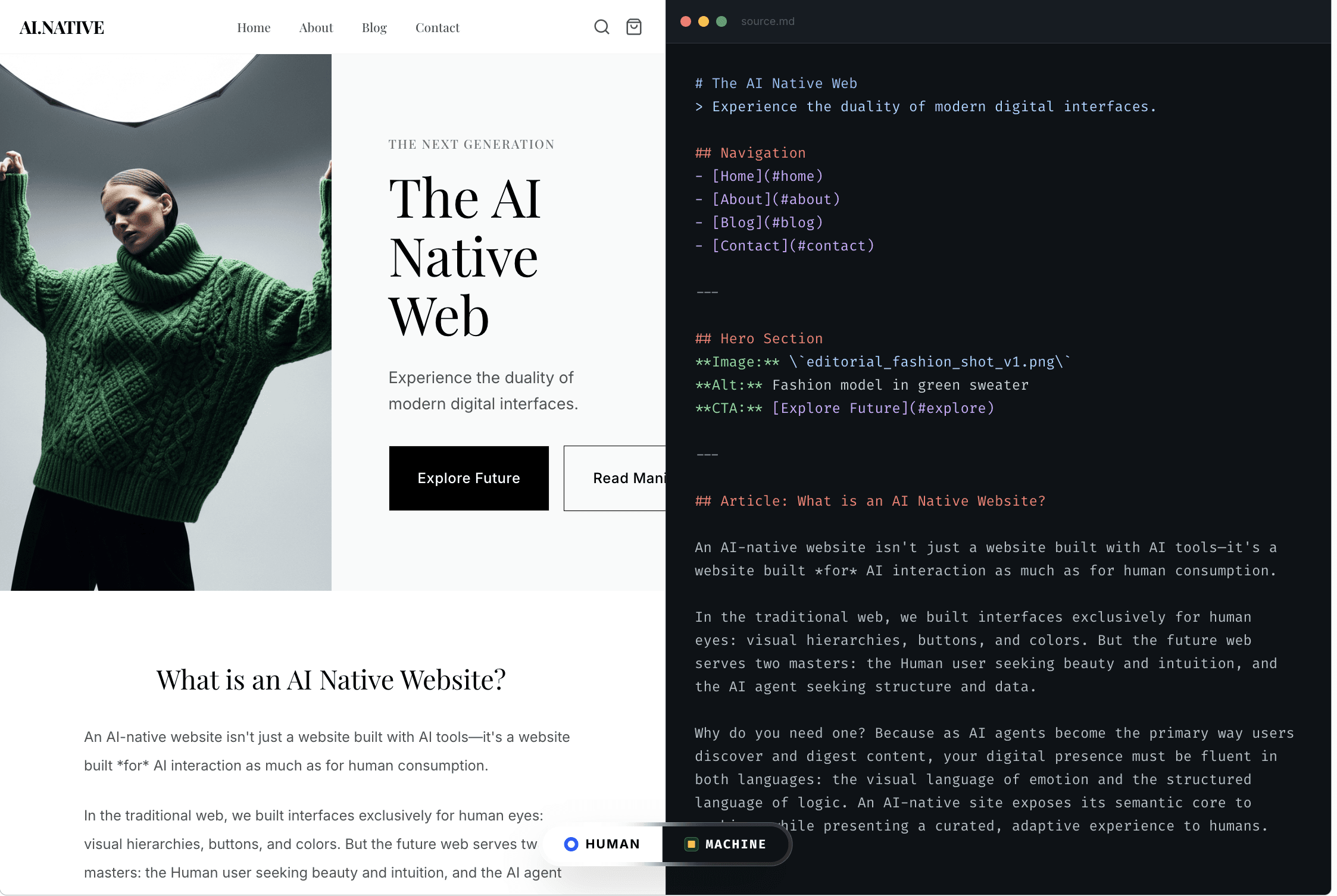
What is an AI-native website and why do you need one?
Nov 30, 2025
By Nikki Diwakar
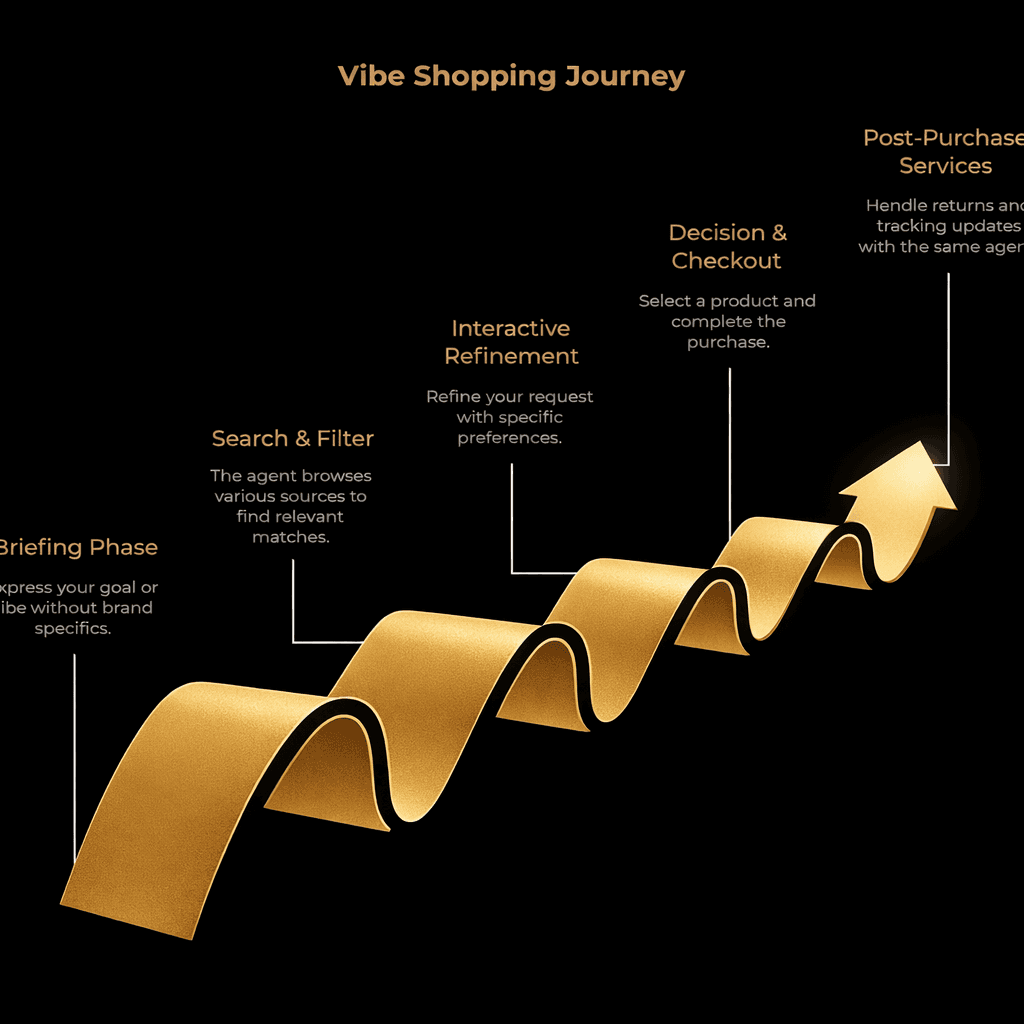
What Is Vibe Shopping and Why It Matters for Ecommerce Strategy
Nov 21, 2025
By Nikki Diwakar
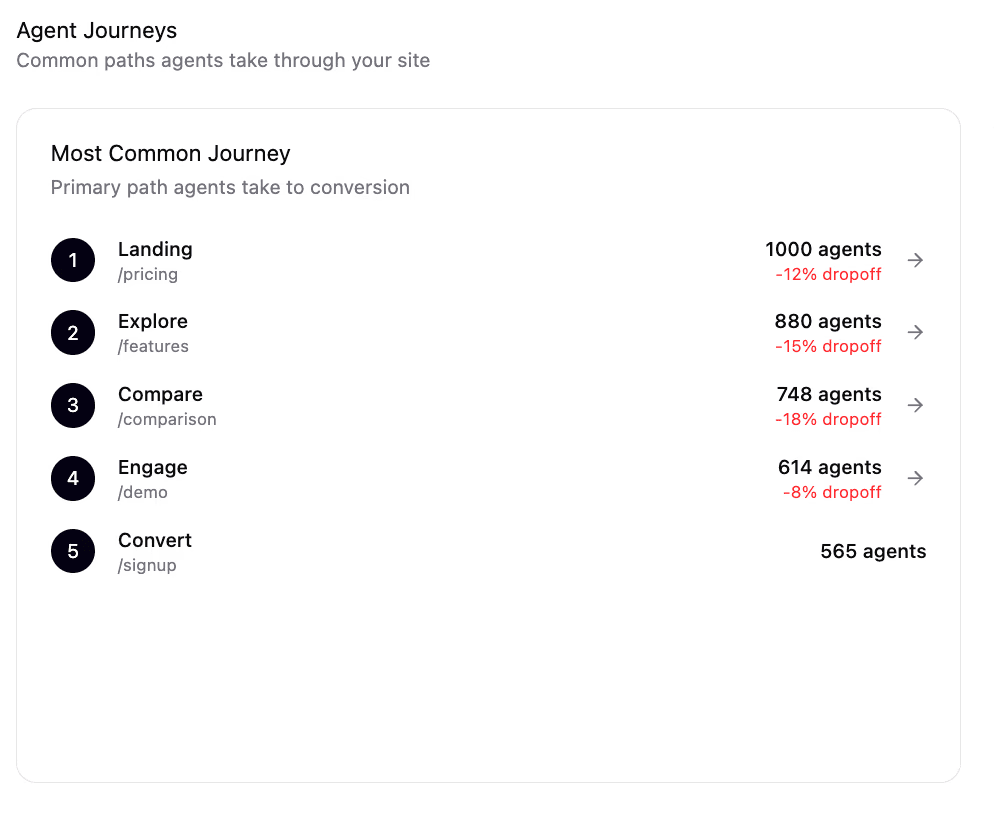
What your analytics misses: >20% of your “traffic” could be AI agents
Nov 18, 2025
By Nikki Diwakar
Delegated Traffic: When AI agents own 80% of the buyer journey
Oct 21, 2025
By Nikki Diwakar