Nov 30, 2025
The rules of digital visibility have changed.
Search engines once rewarded keyword mastery, backlinks, and crawl priority. Today’s AI “answer engines” — from ChatGPT to Google’s AI overviews — generate responses by reading, synthesizing, and citing content, often without users ever clicking links or seeing traditional results.
In this environment, Answer Engine Optimization (AEO) and Generative Engine Optimization (GEO) are emerging as the core frameworks that determine whether your brand appears in AI-generated answers at all.
Far from being niche technical tactics, AEO and GEO level the playing field because they reward clarity, structure, and relevance over historical domain strength. Small brands with better structured content can compete with legacy players in the same AI results. This is the strategic shift every leader needs to understand.
What AEO and GEO Actually Are
What Is AEO?
AEO stands for Answer Engine Optimization. It’s about optimizing content so AI answer engines can extract direct, concise responses to user questions. This means:
Structuring content so answers are clear and machine-readable
Providing direct, factual responses to specific queries
Using formats like FAQ, structured paragraphs, and schema markup
AEO helps AI systems choose your content as the answer rather than ignoring it.
What Is GEO?
GEO stands for Generative Engine Optimization. It refers to optimizing content for modern generative AI systems that synthesize information from multiple sources to craft responses. Unlike traditional SEO or AEO alone:
GEO focuses on depth, context, and semantic richness
It positions your brand as a trusted source that AI systems cite and weave into answers
It rewards consistent, entity-centric presence across authoritative sources
Together, AEO and GEO ensure that AI systems not only understand your content but use it when answering real user questions.
Why AEO and GEO Level the Playing Field
Unlike traditional search ranking systems, AI answer engines don’t privilege old domain authority or massive backlink profiles. Instead, they trust:
Clarity — clean, structured responses that can be parsed easily
Consistency — consistent use of entity names, facts, and attributes
Citation-readiness — information that can be excerpted or synthesized without ambiguity
This means that smaller brands with well-structured, authoritative content can appear in AI responses alongside larger incumbents. They do not have to outrank them in classic SEO to be cited and recommended. When an AI system picks and cites information, it is choosing based on relevance and clarity, not PageRank.
How AEO and GEO Influence AI Discovery
1. Visibility Equals Inclusion
In AI Search, visibility means being included in the underlying citations or generative answer context. A brand might appear on page one of Google yet be absent from ChatGPT answers if its content is not AI-friendly.
2. Optimization Is Structural
Brands optimized for AEO/GEO do more than pepper keywords into text:
They craft direct answerable content
They embed structured markup and schema
They maintain semantic clarity
They reinforce entity identity across platforms
3. The New Trust Signals
AI systems evaluate trust differently from traditional search:
Frequency of citations across authoritative sources
Presence in diverse AI answer contexts
Consistency of factual representation
This reduces the advantage of legacy domain strength and opens doors for agile, structured content strategies.
What This Means for Your Content Strategy
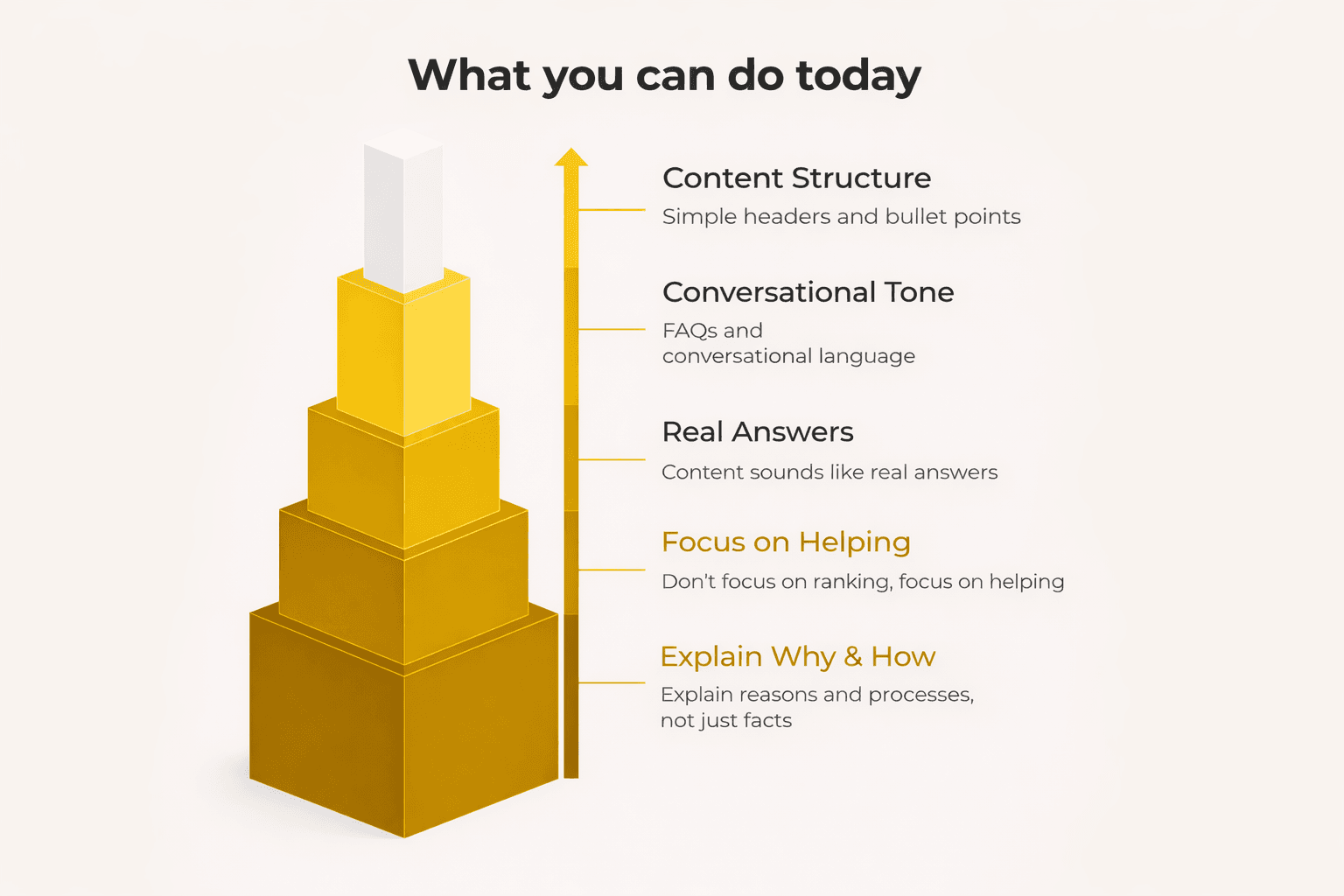
To compete in an AI-first discovery landscape, brands must:
Embrace Answer-First Content
Shift from long scrolling pages to direct, unambiguous answers that AI systems can extract. Use FAQ structures, tables, and clear headlines.
Build for AI Parsing
Ensure your content is machine-readable with semantic HTML and schema.org markup — this is the foundation of AEO and improves citation probability.
Expand Presence Beyond Your Domain
GEO rewards multi-platform presence. High-quality mentions in industry sources, news sites, and syndication networks strengthen your brand’s AI credibility.
Track AI Citations
Measure AI visibility separately from traditional SEO metrics. Track whether you are cited in AI responses and which prompts lead to mentions — this is a new form of search signal.
Strategic Implications
The rise of AEO/GEO means:
Traditional SEO hierarchies become less predictive of traffic
Smaller, nimble teams can compete on clarity and structure
Authority becomes demonstrable and trackable rather than just historical
Zero-click interactions become the norm — you win by being the answer, not the destination
AEO/GEO are not just optimization tactics. They are architectural requirements for modern digital presence.
Read more from our blog
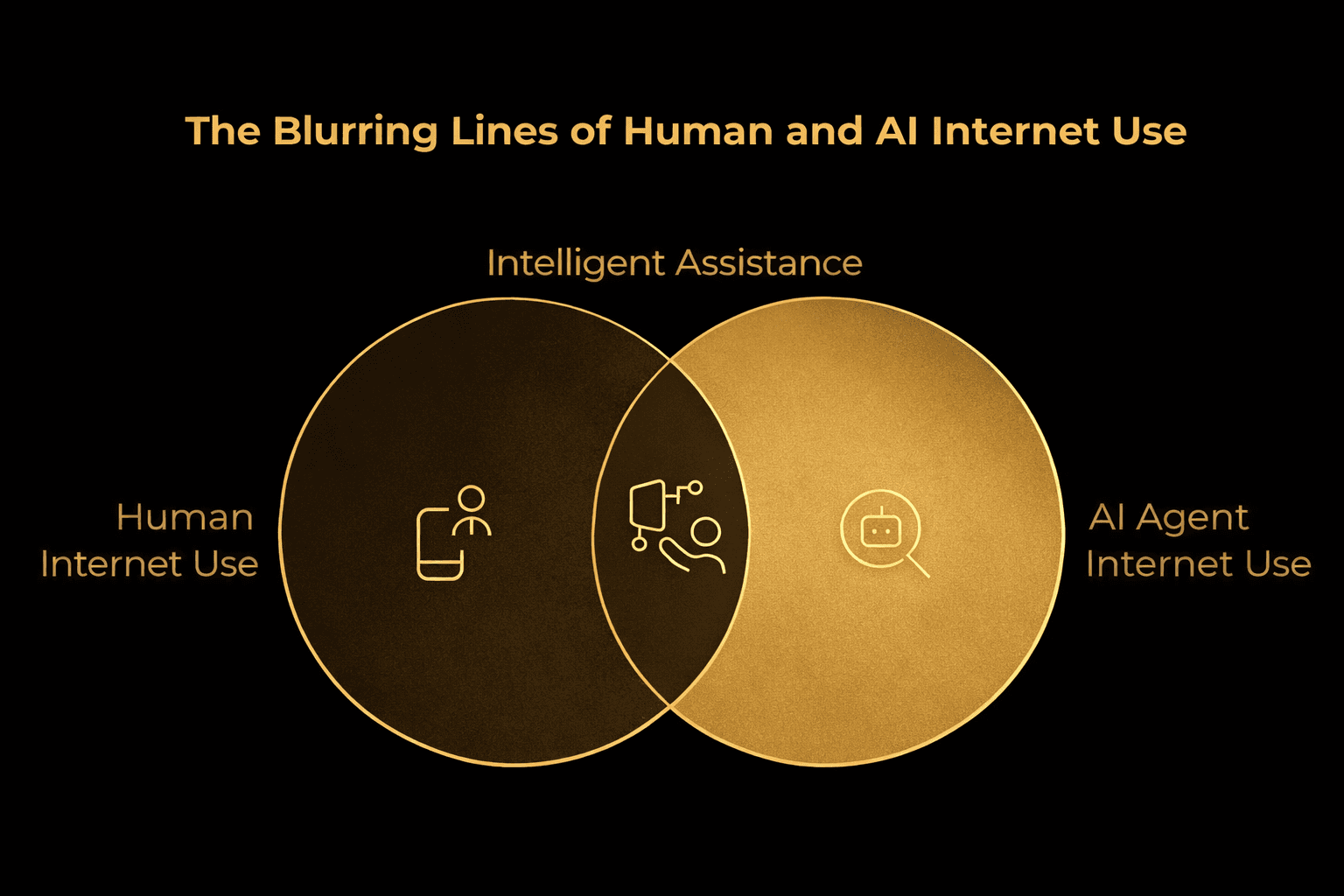
Agentic Interfaces and the Future of UX
Jan 28, 2026
By Nikki Diwakar
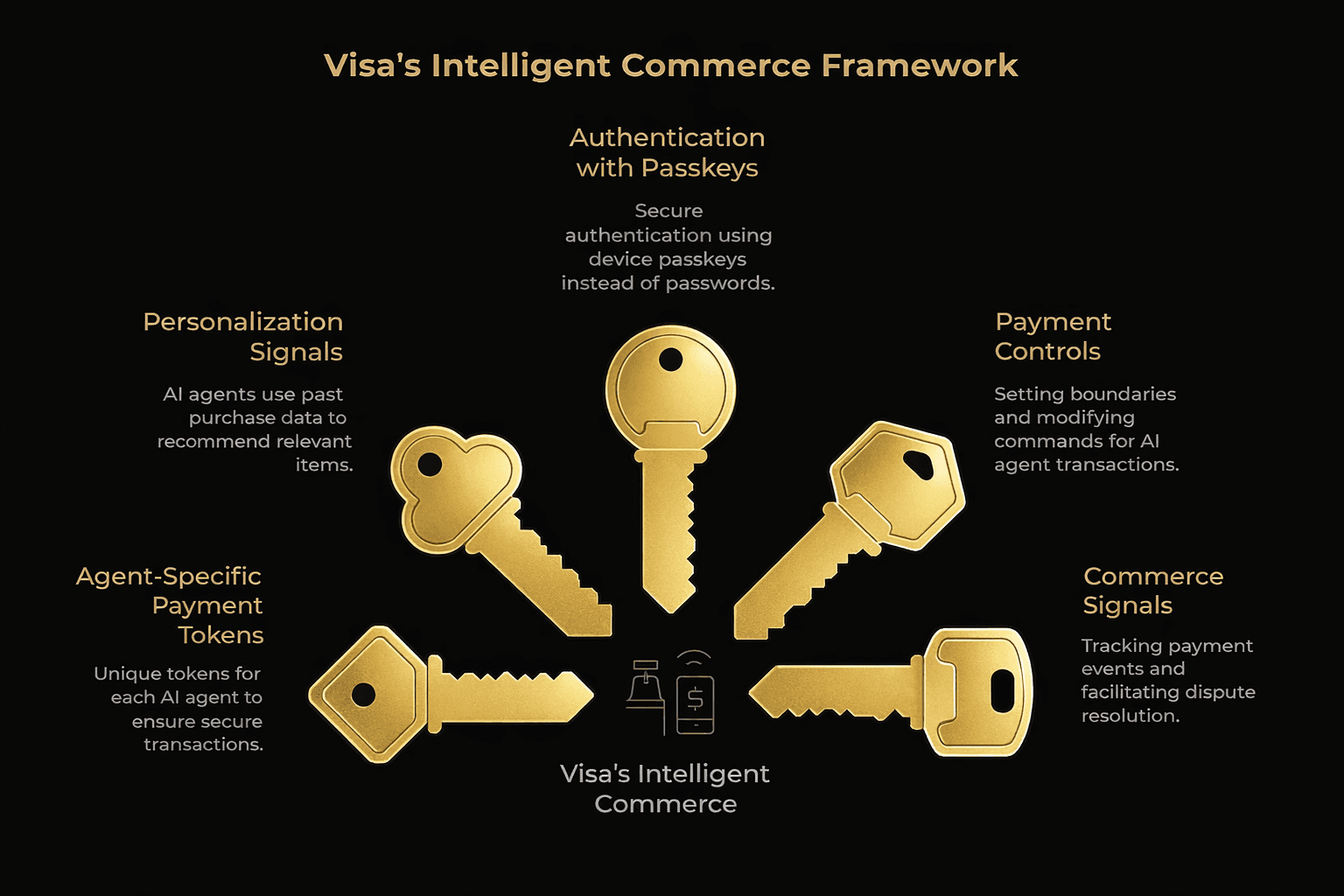
How Visa Enables AI Agents to Shop and Pay
Jan 26, 2026
By Nikki Diwakar
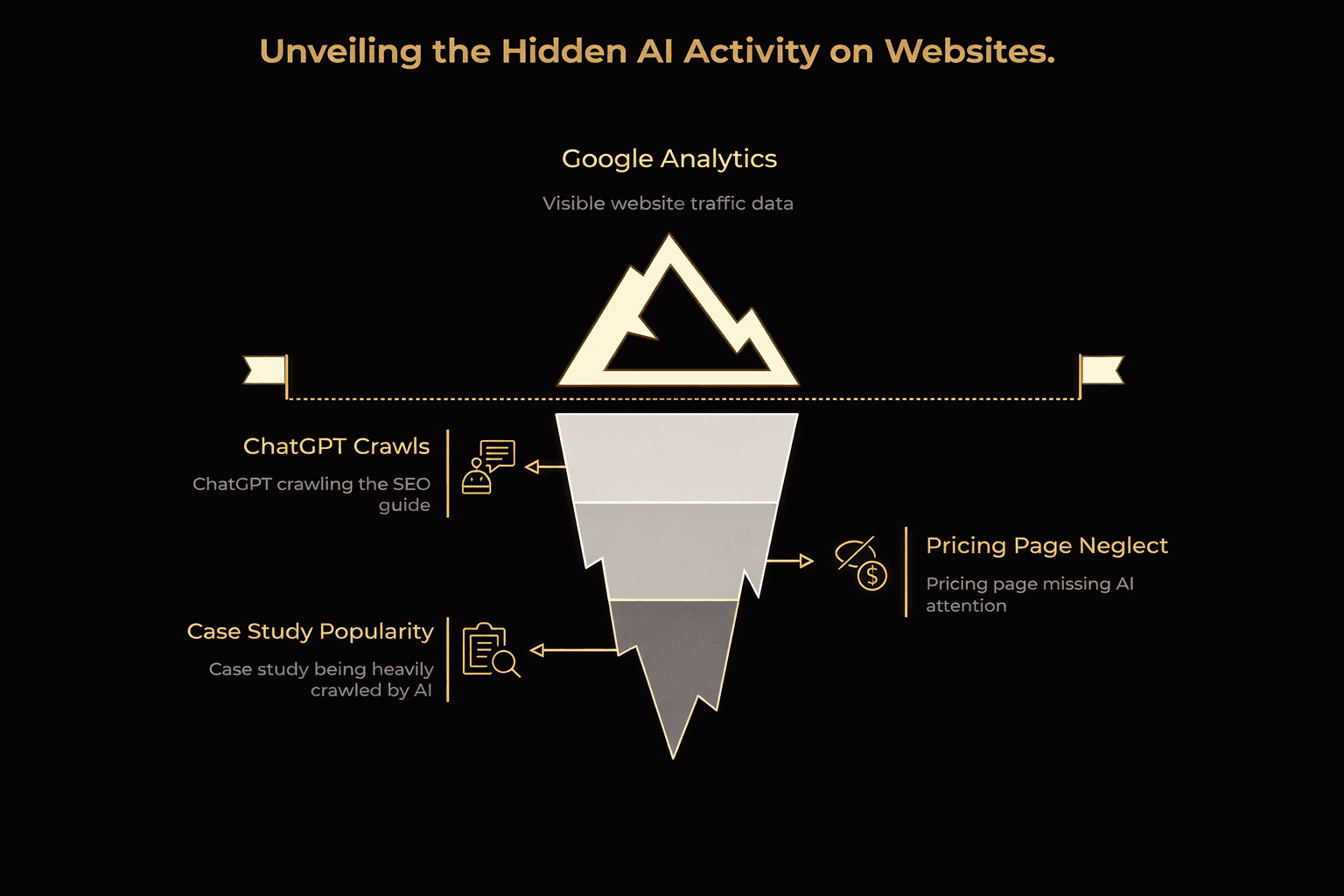
How To Measure AI Agents When Google Analytics Cannot
Jan 23, 2026
By Nikki Diwakar
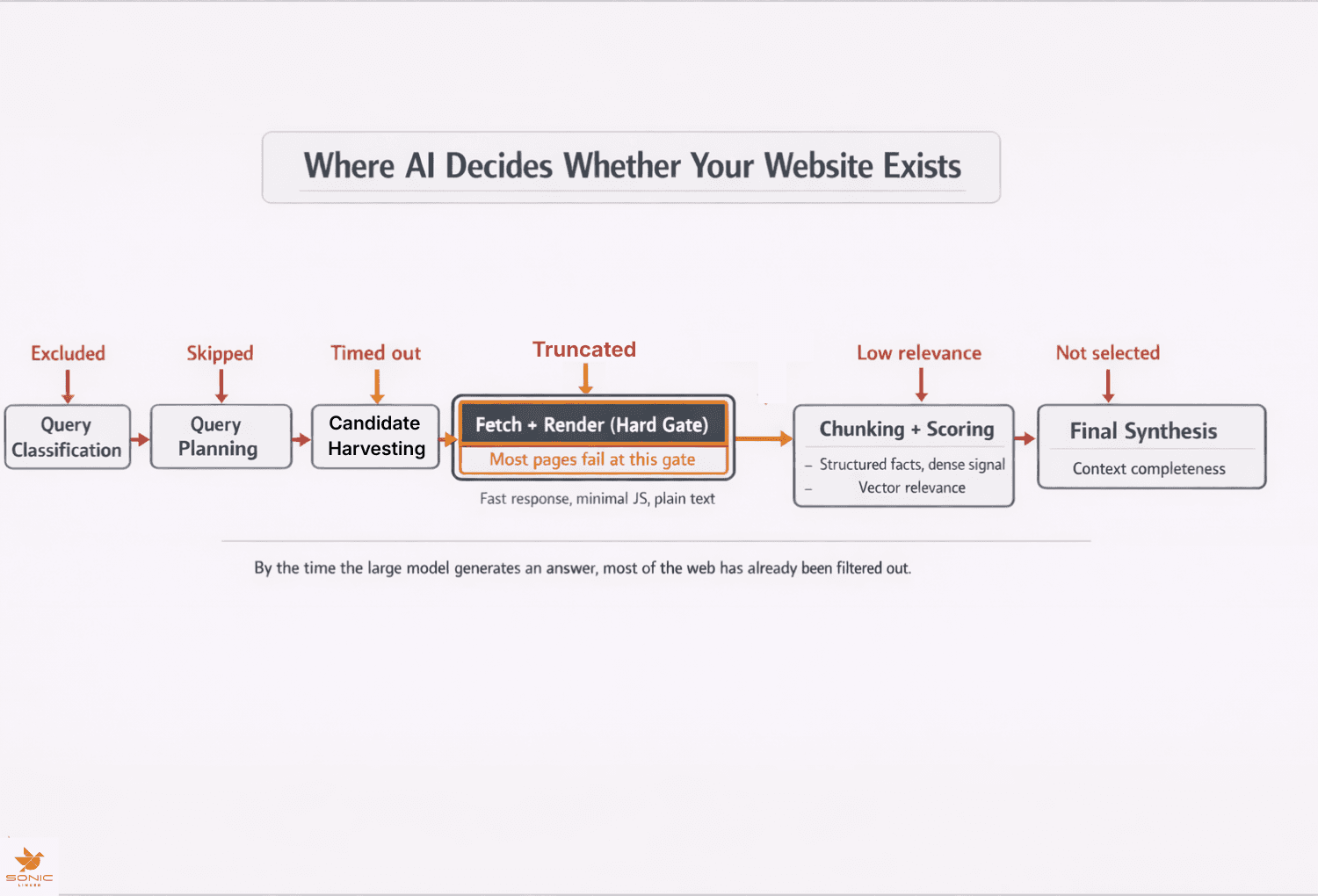
How ChatGPT Finds and Chooses Websites
Jan 21, 2026
By Nikki Diwakar
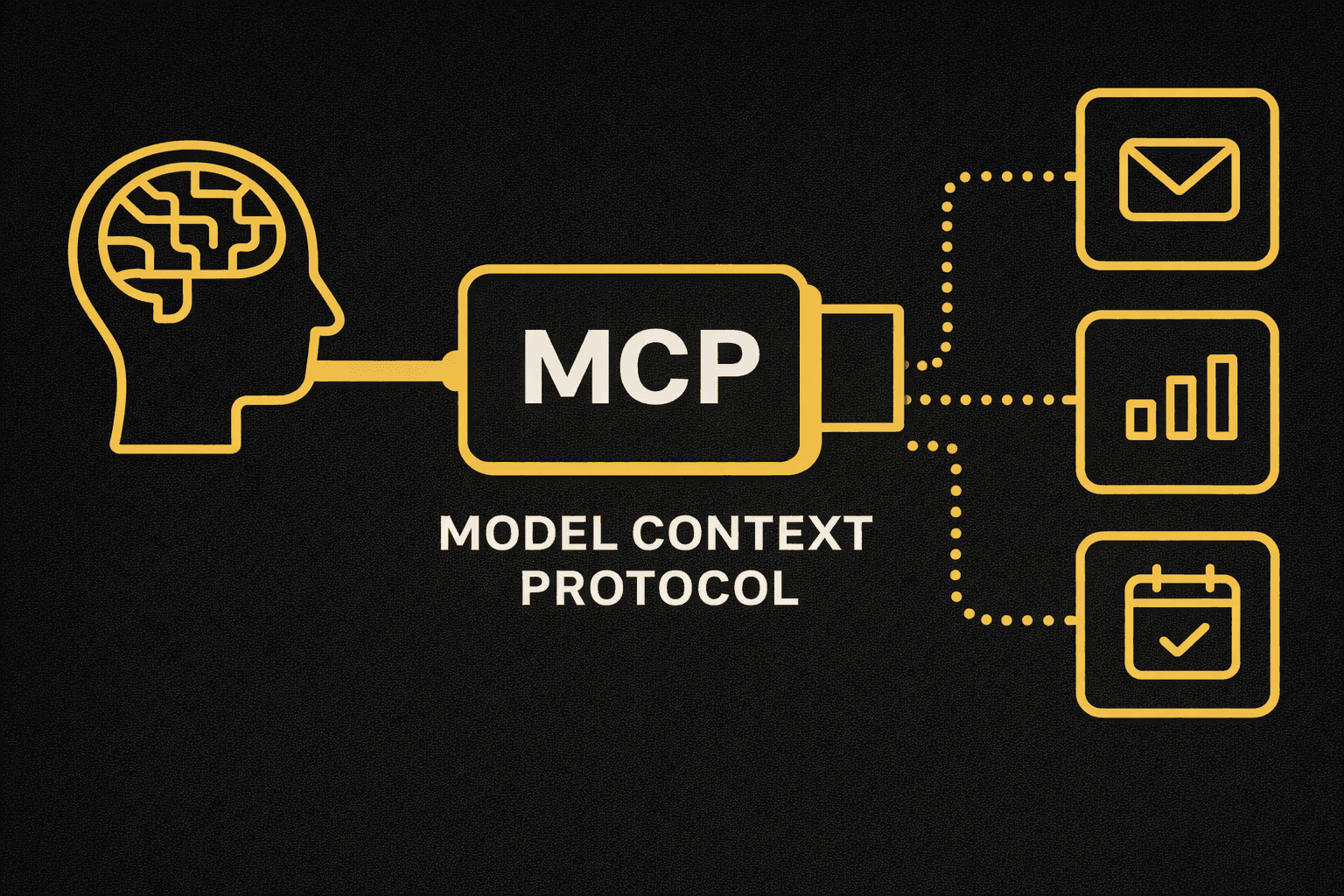
How LLMs Discover Your Model Context Protocol and Why It Matters
Jan 19, 2026
By Nikki Diwakar

What You Should Know About Shopify’s Model Context Protocol
Jan 13, 2026
By Nikki Diwakar
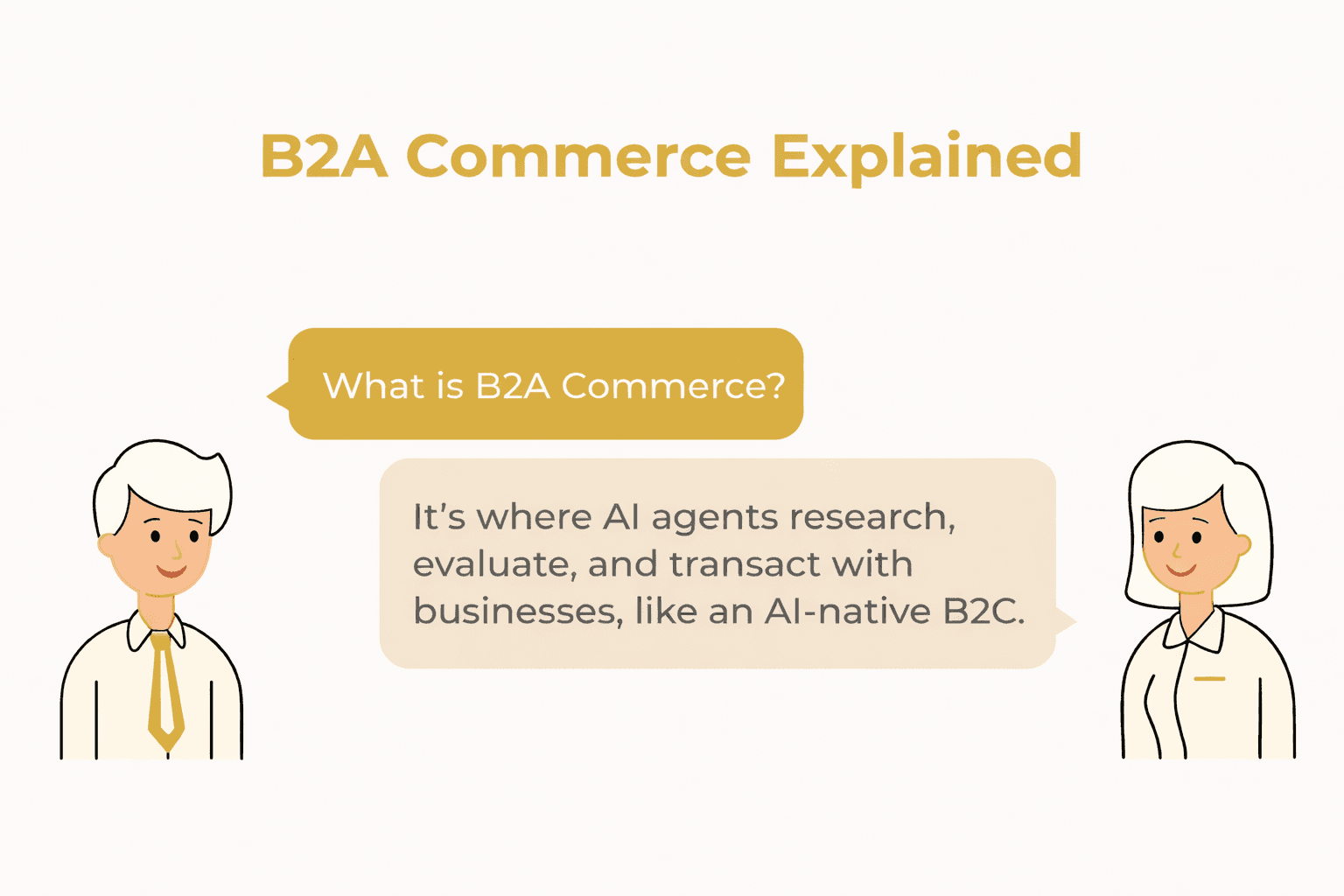
B2A Commerce Explained: Winning in an Era of AI Shopping Agents
Jan 12, 2026
By Nikki Diwakar
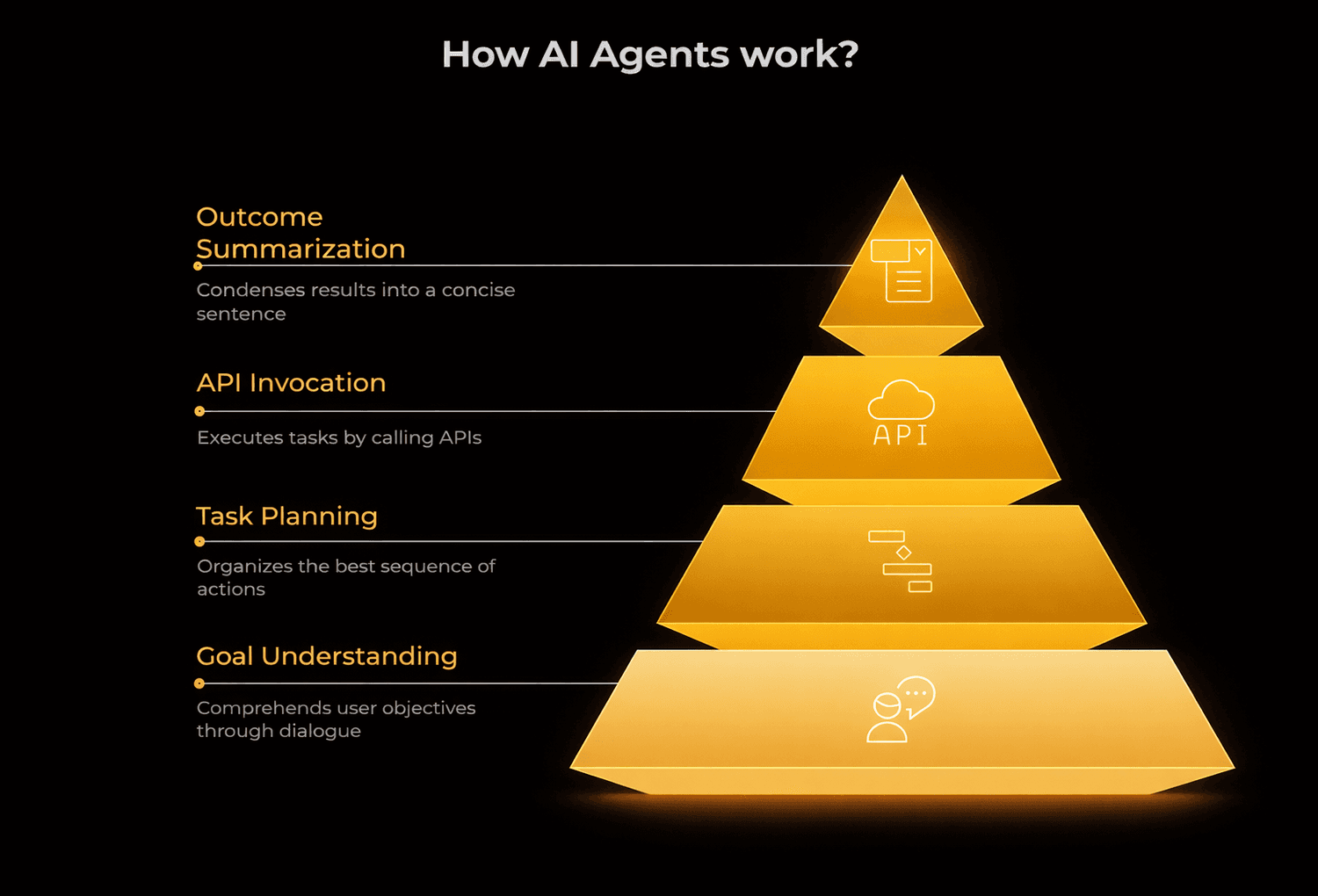
Agent-First Product Strategy: Building for AI Users, Not Humans
Jan 7, 2026
By Nikki Diwakar
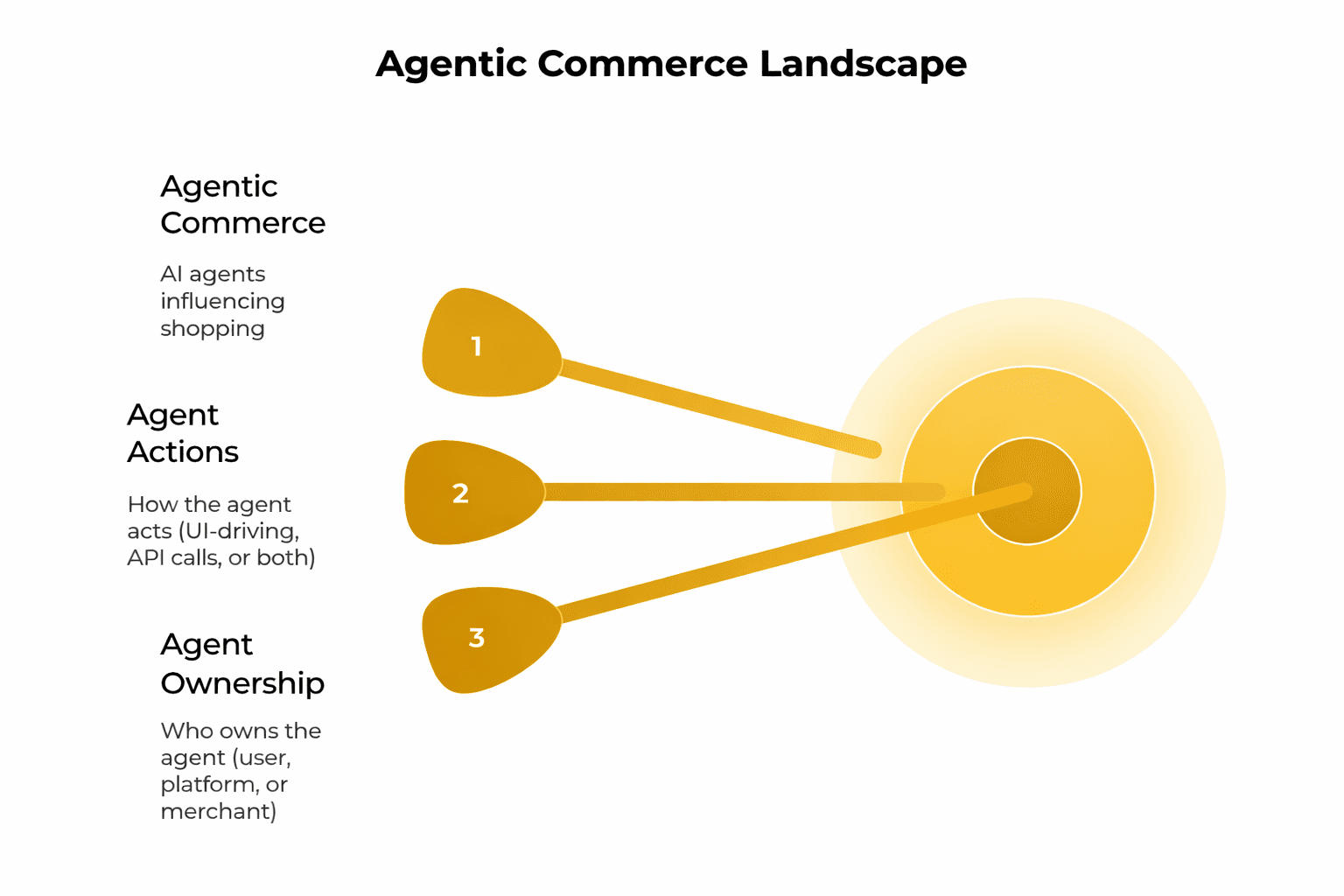
Agentic Commerce Interfaces: How AI Agents Are Rewriting the Buying Experience
Jan 5, 2026
By Nikki Diwakar
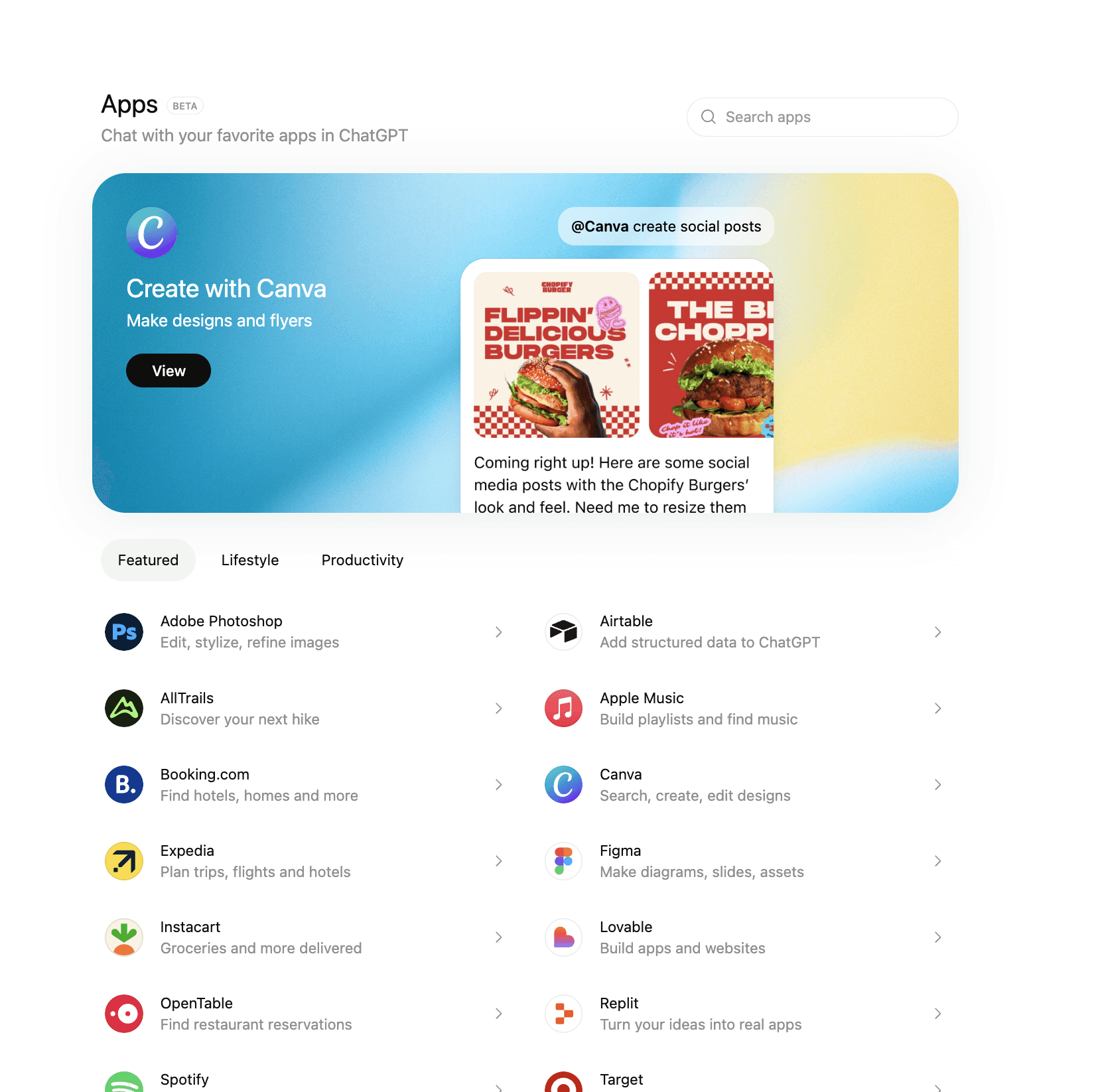
ChatGPT Apps just changed how customers buy (quietly)
Dec 31, 2025
By Nikki Diwakar
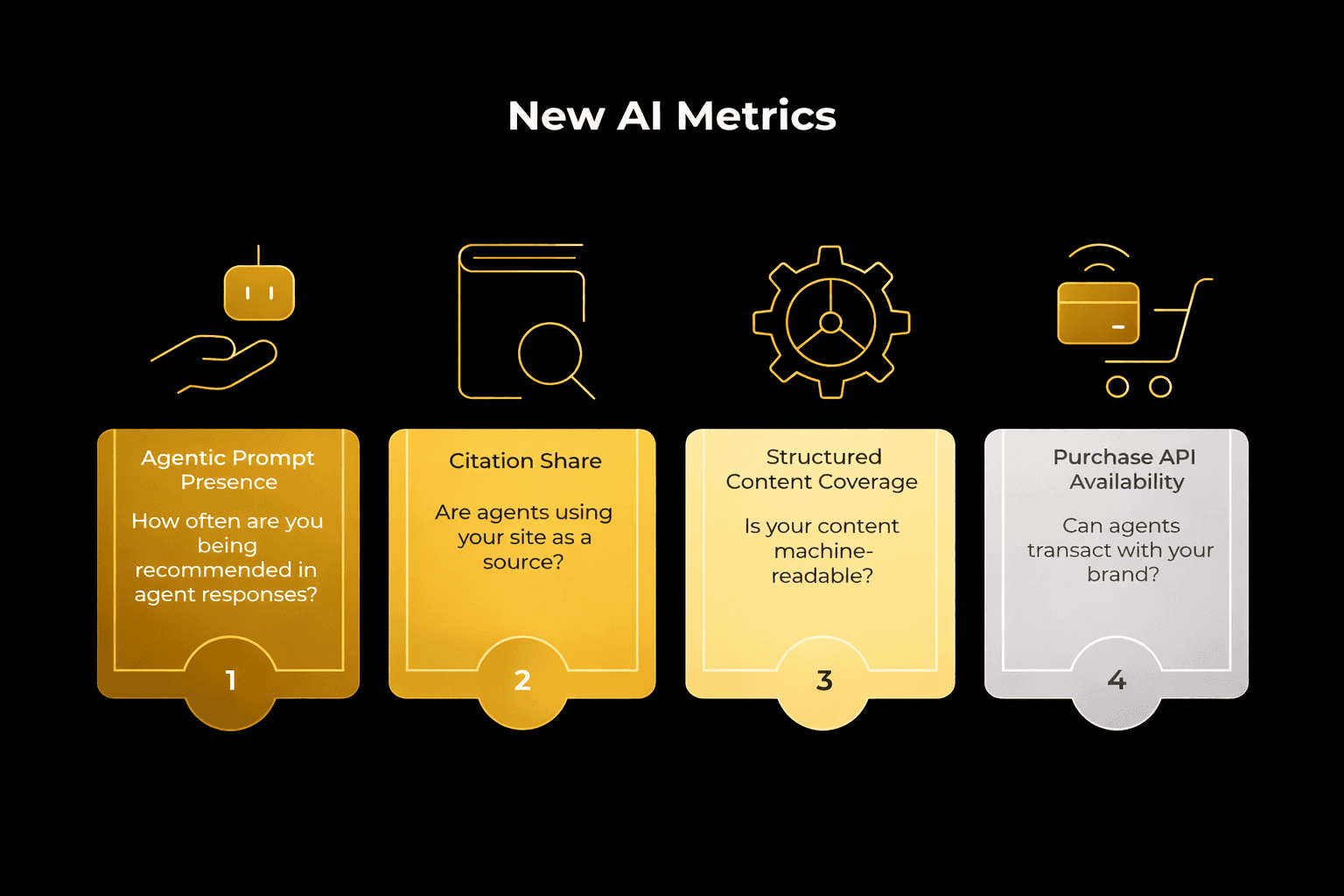
How AI Shopping Agents Change the Sales Funnel and Key Metrics
Dec 26, 2025
By Nikki Diwakar
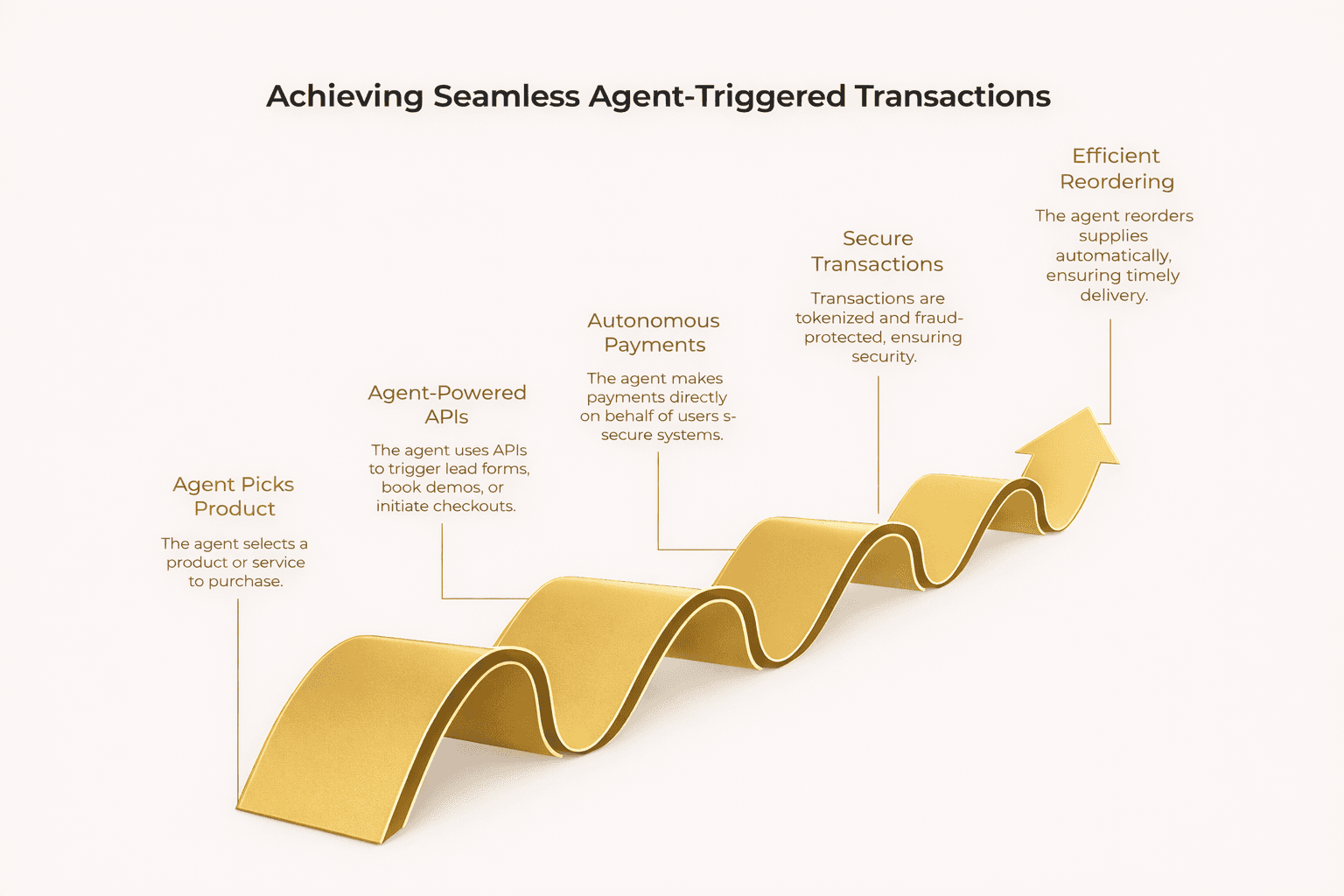
How AI Shopping Agents Work and Why They Matter for Growth
Dec 10, 2025
By Nikki Diwakar
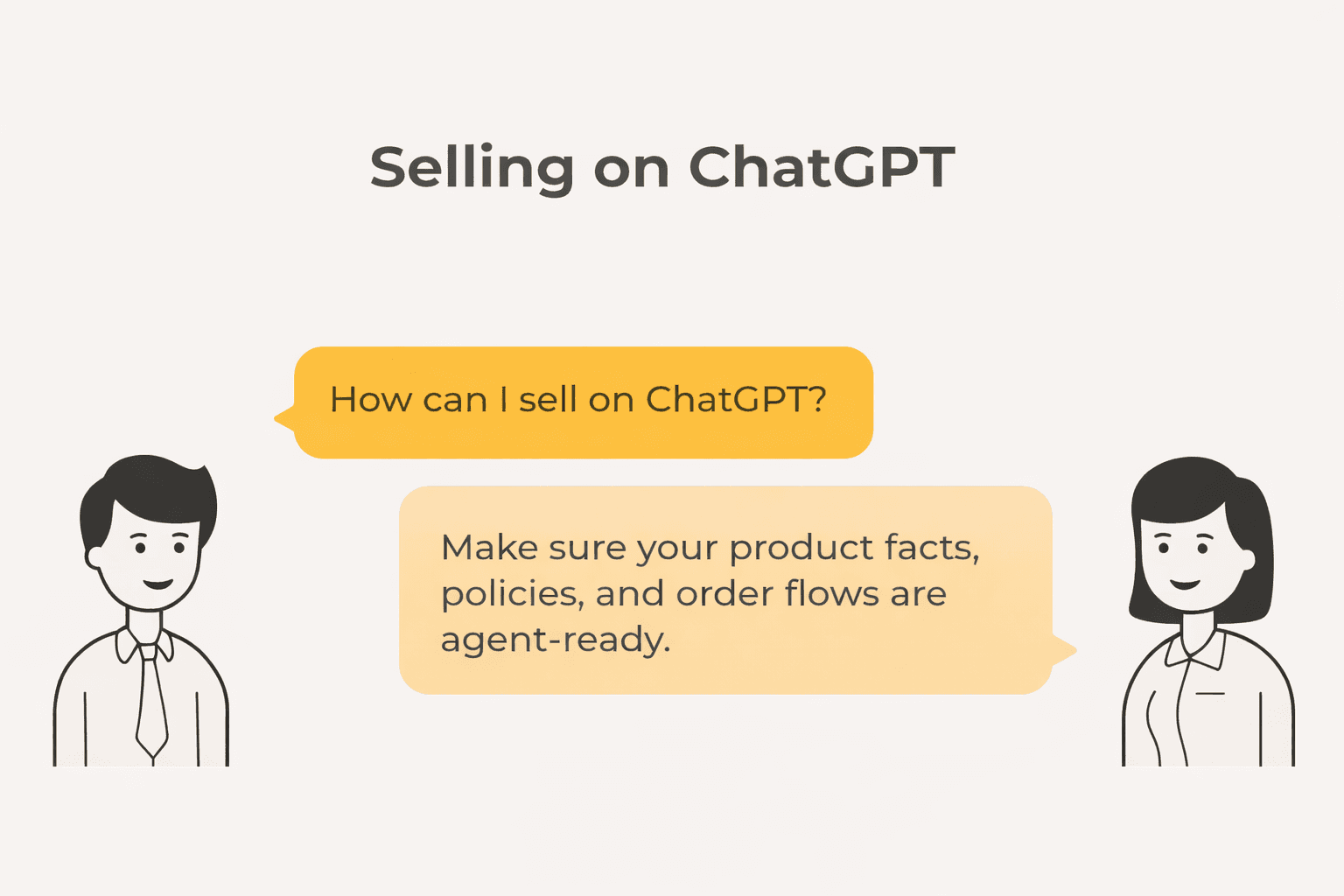
How to Sell on ChatGPT: A Practical Guide to AI Commerce in 2026
Dec 4, 2025
By Nikki Diwakar
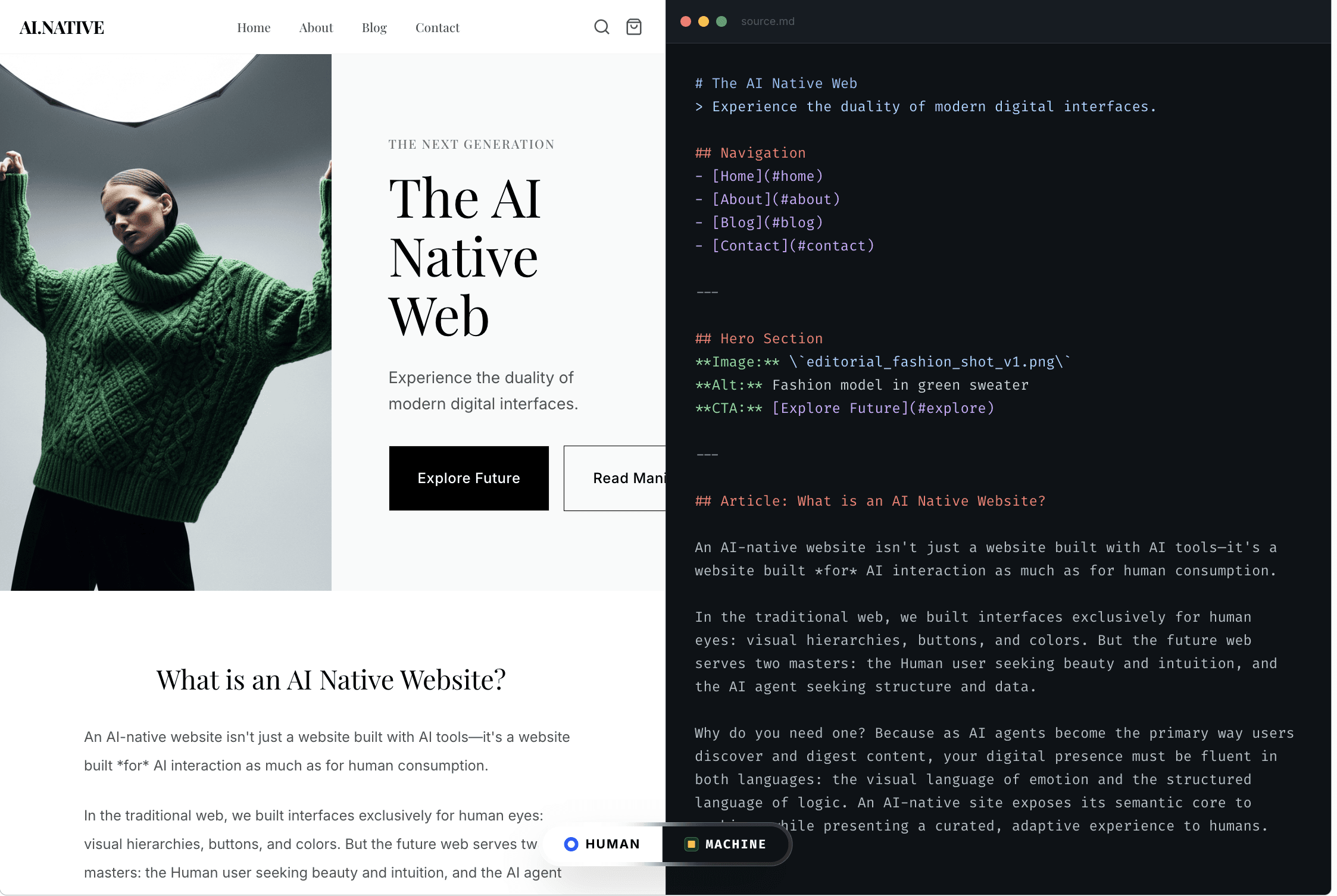
What is an AI-native website and why do you need one?
Nov 30, 2025
By Nikki Diwakar
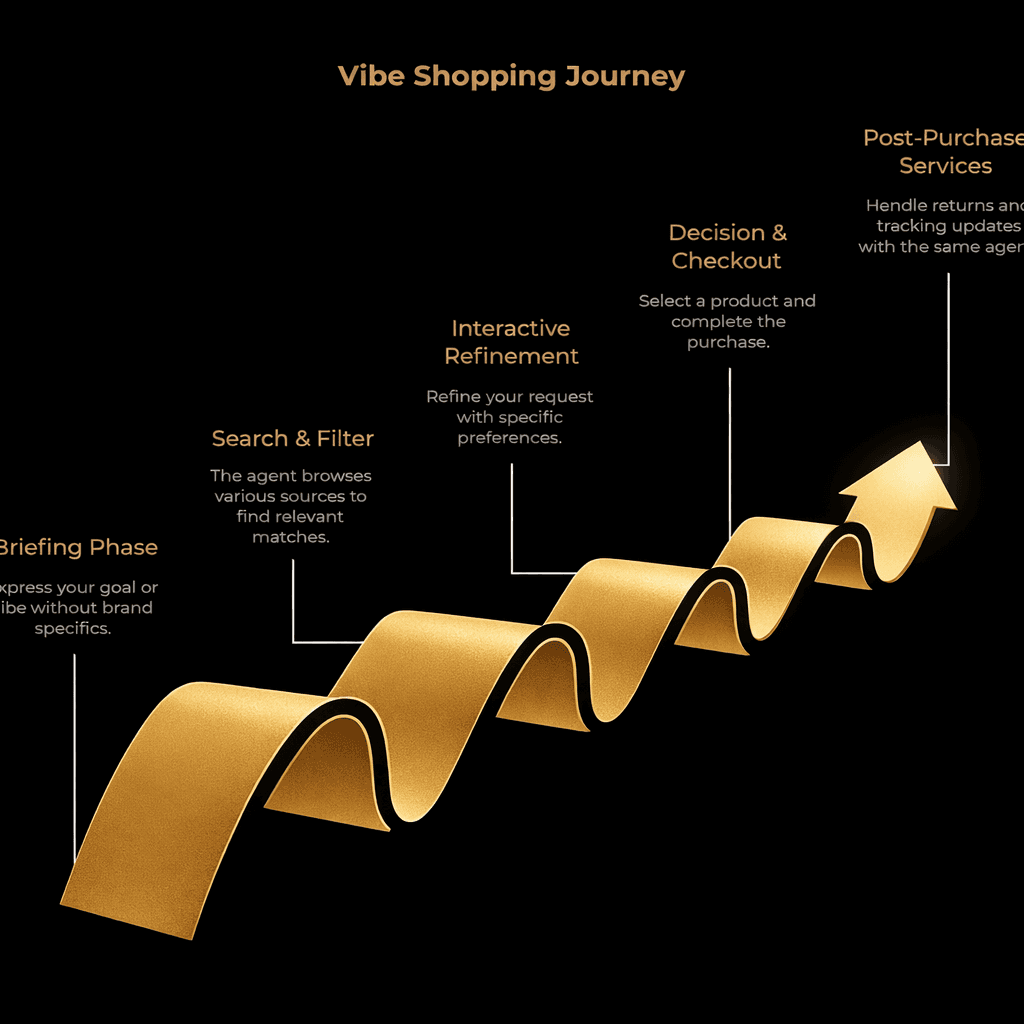
What Is Vibe Shopping and Why It Matters for Ecommerce Strategy
Nov 21, 2025
By Nikki Diwakar
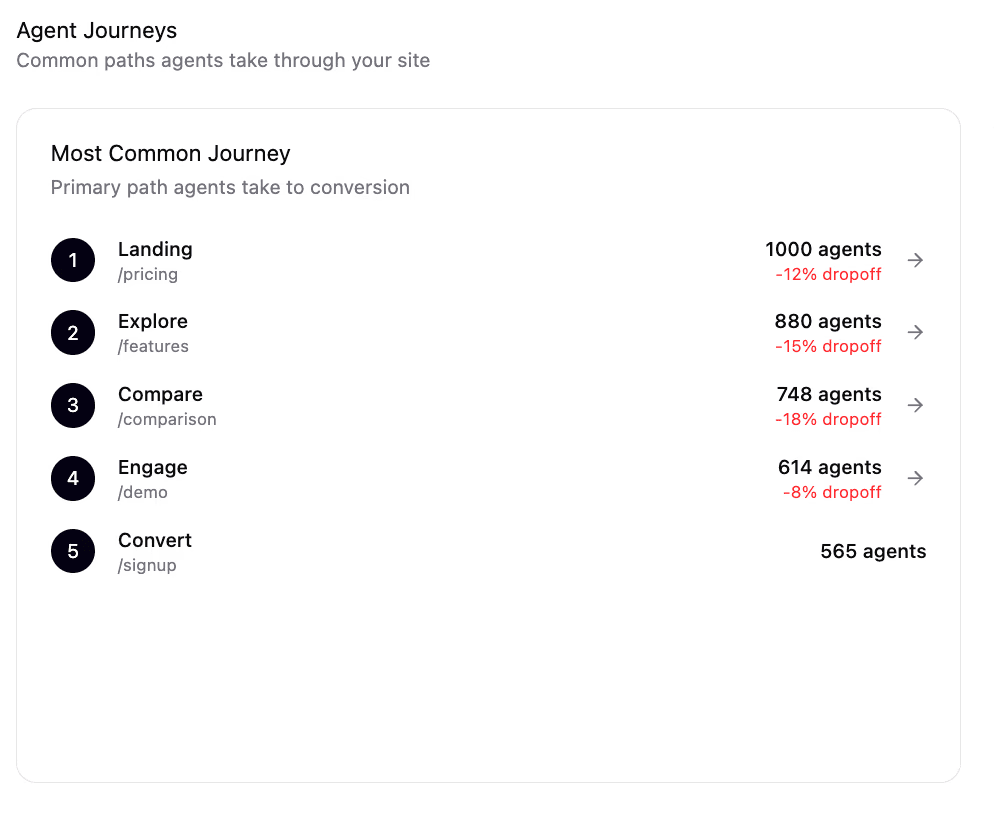
What your analytics misses: >20% of your “traffic” could be AI agents
Nov 18, 2025
By Nikki Diwakar

Delegated Traffic: When AI agents own 80% of the buyer journey
Oct 21, 2025
By Nikki Diwakar