Nov 30, 2025
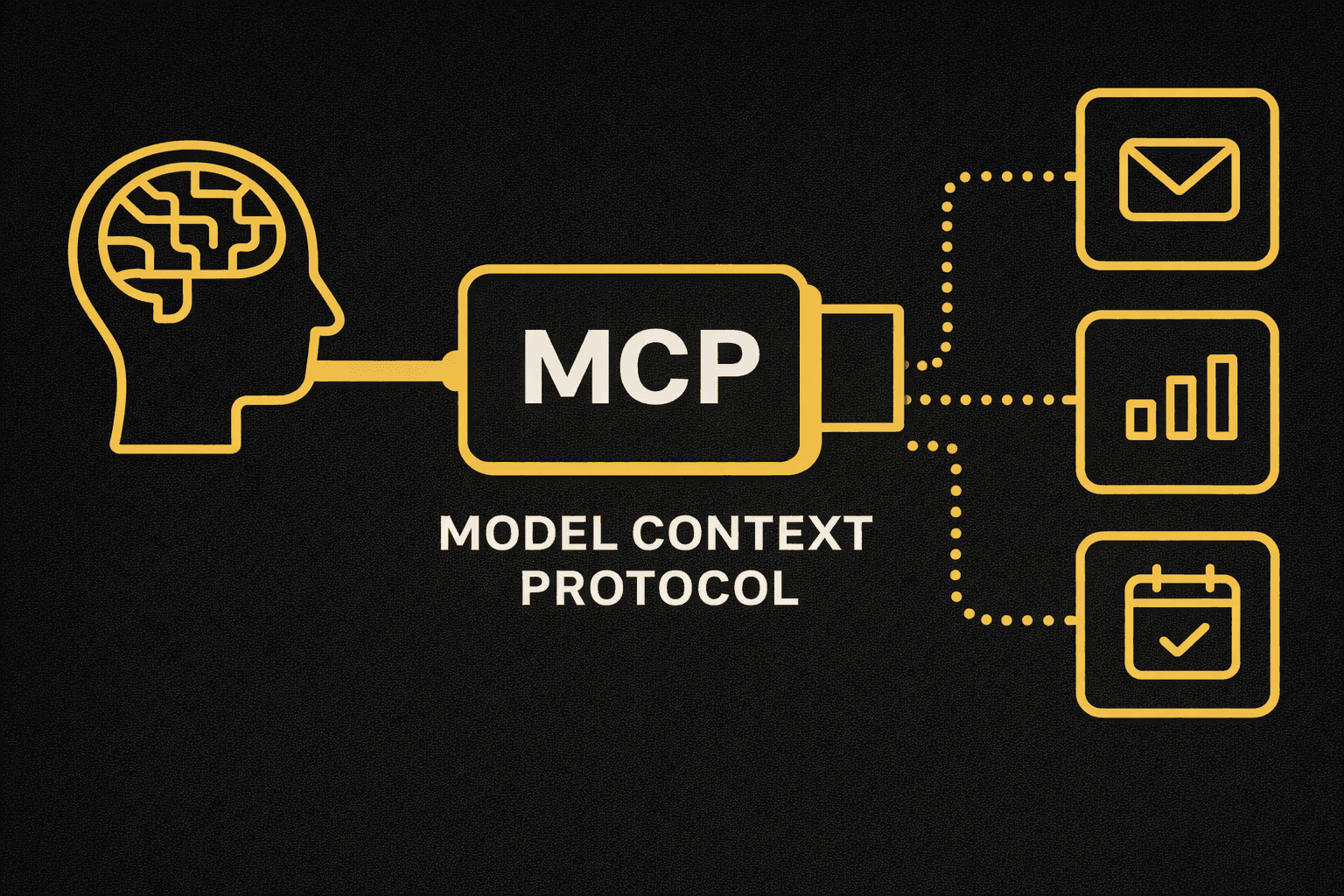
The Model Context Protocol (MCP) is rapidly becoming a foundational standard for AI agents and large language models (LLMs) to access real-time tools, APIs, and data sources. But exposure alone is not enough. Unless an LLM can discover your MCP endpoint reliably, it will fall back on outdated web search or less precise retrieval methods.
In this guide we explain how LLMs discover MCP configurations, why discoverability matters for visibility and automation, and how strategic MCP deployment can make your systems first in line for AI-driven interactions.
What Discovery Means in an AI-First World
LLMs capable of acting — not just answering — rely on structured context and real services. Traditional search doesn’t give them that. MCP does. But for MCP to actually be used, the LLM first has to find it. Discovery is the bridge between static content and dynamic, agentic execution.
Without good discovery, even perfectly built MCP servers sit unused. Agents default to fallback methods such as web search, retrieval-augmented generation (RAG), or heuristic scraping, which are slower, less accurate, and often restricted by training data limitations.
The Three Rings of MCP Discovery
Modern LLM runtimes follow a prioritized discovery process that looks like concentric rings. Each “ring” represents a mechanism the orchestration layer (for example, LangChain, OpenAI Agents SDK, or Semantic Kernel) uses to locate your MCP configuration:
Ring 1 — Local Configuration
If the tool orchestrator is given explicit MCP configuration (such as server URIs and credentials in a local settings file or environment), it always uses that first. This is the most deterministic discovery mechanism and should be preferred when possible.
Ring 2 — Authoritative Domain File
If no explicit configuration exists, LLM runtimes look for a known MCP descriptor on the brand’s own domain — typically at: https://<your-domain>/.well-known/mcp/servers.json
If this file exists and validates, it becomes the canonical discovery source for that domain.
Ring 3 — Public or Enterprise Registry
As a fallback, orchestrators check external registries — either public catalogs (e.g., a modelcontextprotocol.io index) or corporate API inventories — for signed metadata about your MCP servers. These registries cache MCP manifests and help LLMs discover servers when Rings 1 and 2 are absent or invalid.
What Happens After Discovery
Once an MCP manifest is located, the orchestrator converts each declared operation into a JSON Schema-based function. These definitions are injected directly into the LLM’s prompt context as callable tools. Planning logic then strongly prefers these structured operations because they are authenticated, real-time, and reliable.
This means your MCP endpoint becomes the first choice before agents ever resort to web search or RAG. Only if the MCP discovery fails or a call errors out will the model attempt fallback methods.
A Minimal MCP Discovery Example
Here’s a minimal servers.json configuration that LLM orchestrators can discover at ${domain}/.well-known/mcp/servers.json:
Hosting this metadata file on your domain allows compliant runtimes to identify and prioritize your MCP server automatically.
Best Practices for MCP Discoverability
To maximize MCP visibility and reliability:
Host a Compliant MCP Server
Ensure your MCP implementation responds to /manifest, /health, and supported operations cleanly and consistently.
Expose the .well-known/mcp/servers.json File
Serve this file over HTTPS on every domain where your brand could be referenced. This becomes the canonical MCP descriptor for your domain.
Register in Public or Enterprise Catalogs
Publishing your MCP metadata in a registry (e.g., registry.modelcontextprotocol.io, cloud provider catalogs) helps discovery when Rings 1 and 2 cannot be used.
Version and Scope Properly
Bump your semantic version on schema changes and keep your OAuth scopes narrow and task-specific. This ensures that orchestrators understand what your MCP server can do and when it needs to be rediscovered.
Strategic Implications
Proper MCP discovery changes how AI applications treat your system:
Visibility becomes structural — discovery mechanics determine whether your services are even considered by an LLM.
Execution becomes predictable — once discovered, MCP tools are invoked over typed, versioned endpoints.
Fallbacks are secondary — AI workflows no longer default to search or heuristic retrieval unless discovery fails.
This transforms AI from a search layer into a direct execution infrastructure, reducing latency and improving reliability.
Read more from our blog
Agentic Interfaces and the Future of UX
Jan 28, 2026
By Nikki Diwakar
How Visa Enables AI Agents to Shop and Pay
Jan 26, 2026
By Nikki Diwakar
How To Measure AI Agents When Google Analytics Cannot
Jan 23, 2026
By Nikki Diwakar
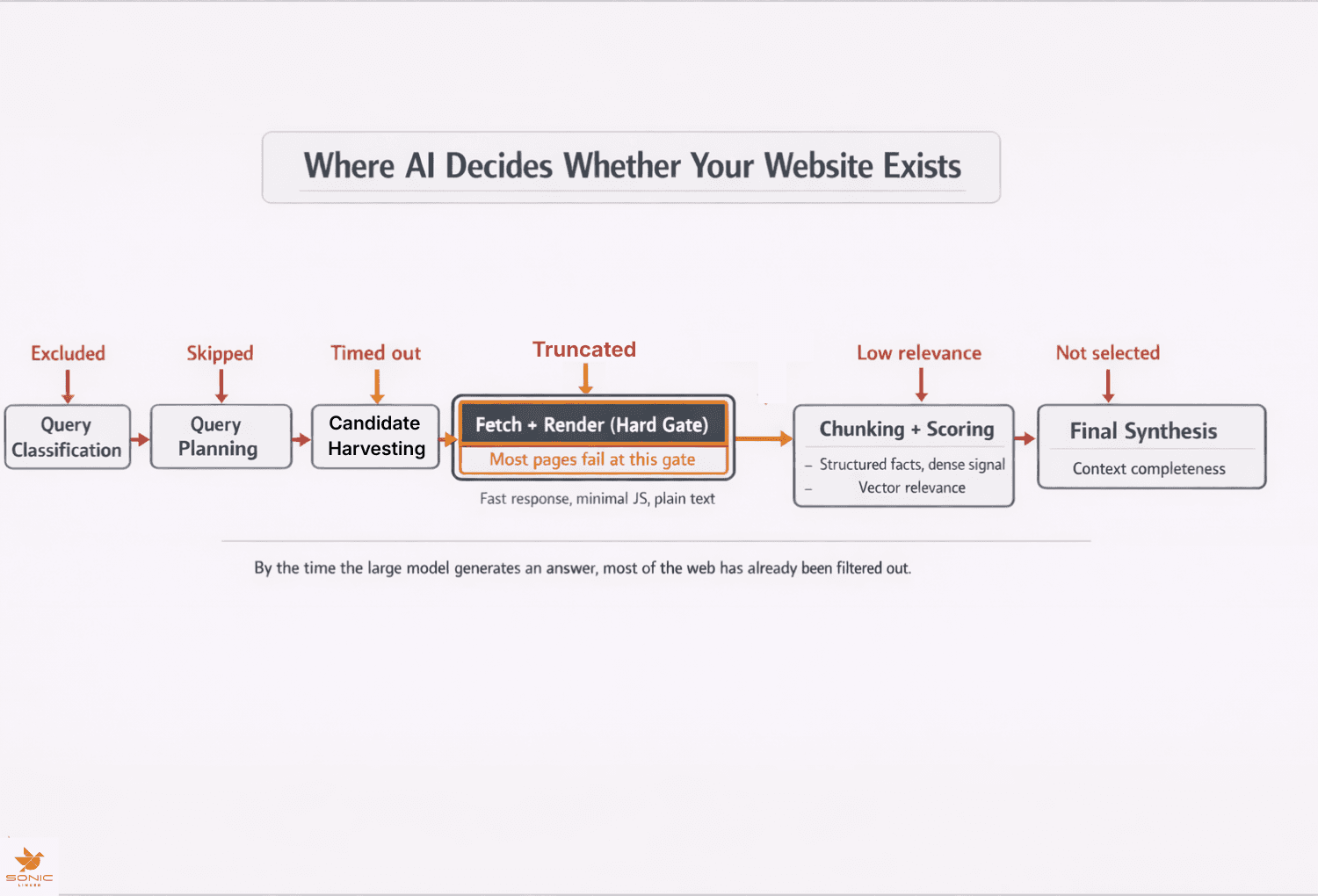
How ChatGPT Finds and Chooses Websites
Jan 21, 2026
By Nikki Diwakar

What You Should Know About Shopify’s Model Context Protocol
Jan 13, 2026
By Nikki Diwakar
B2A Commerce Explained: Winning in an Era of AI Shopping Agents
Jan 12, 2026
By Nikki Diwakar
Agent-First Product Strategy: Building for AI Users, Not Humans
Jan 7, 2026
By Nikki Diwakar
Agentic Commerce Interfaces: How AI Agents Are Rewriting the Buying Experience
Jan 5, 2026
By Nikki Diwakar
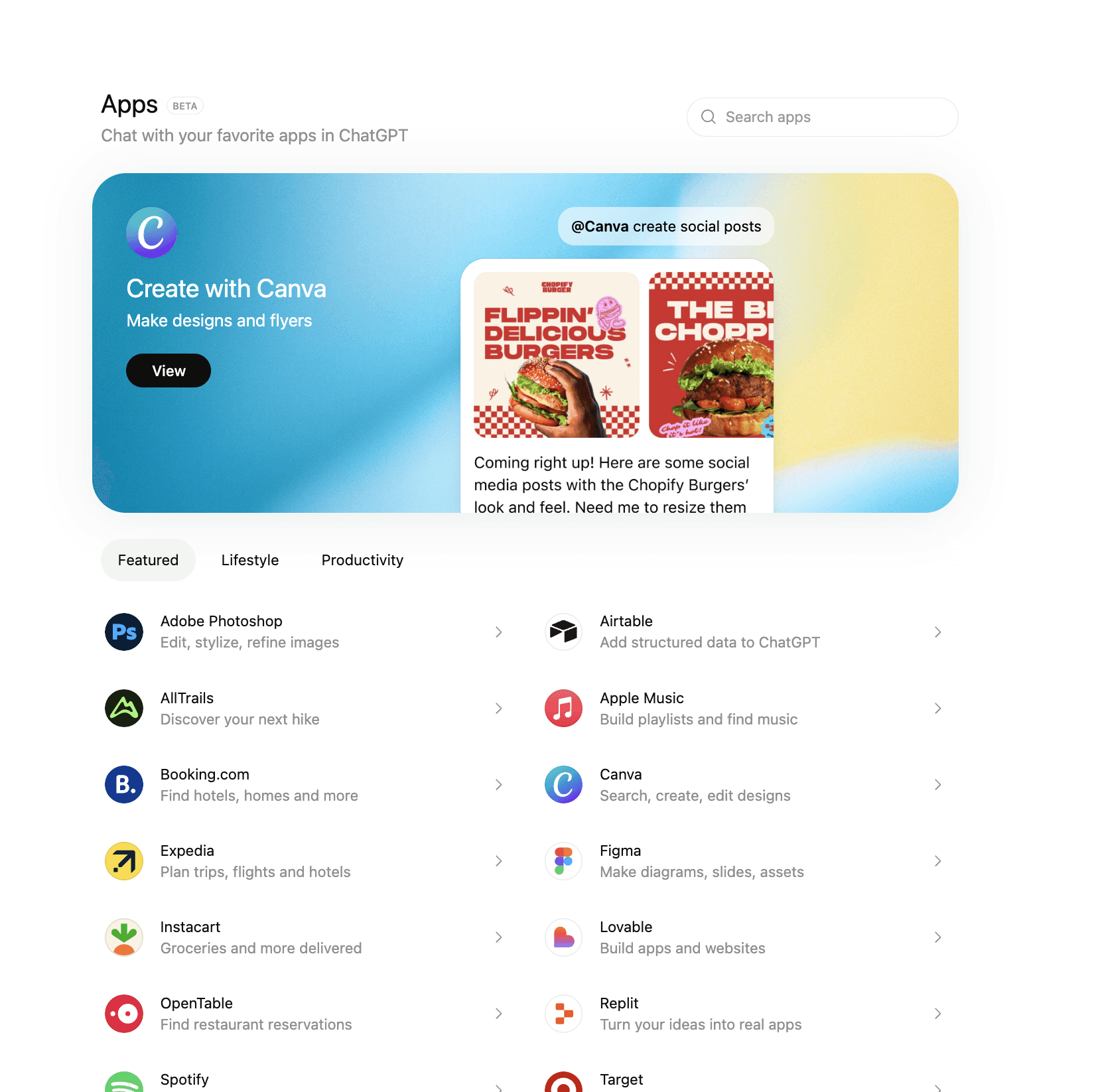
ChatGPT Apps just changed how customers buy (quietly)
Dec 31, 2025
By Nikki Diwakar
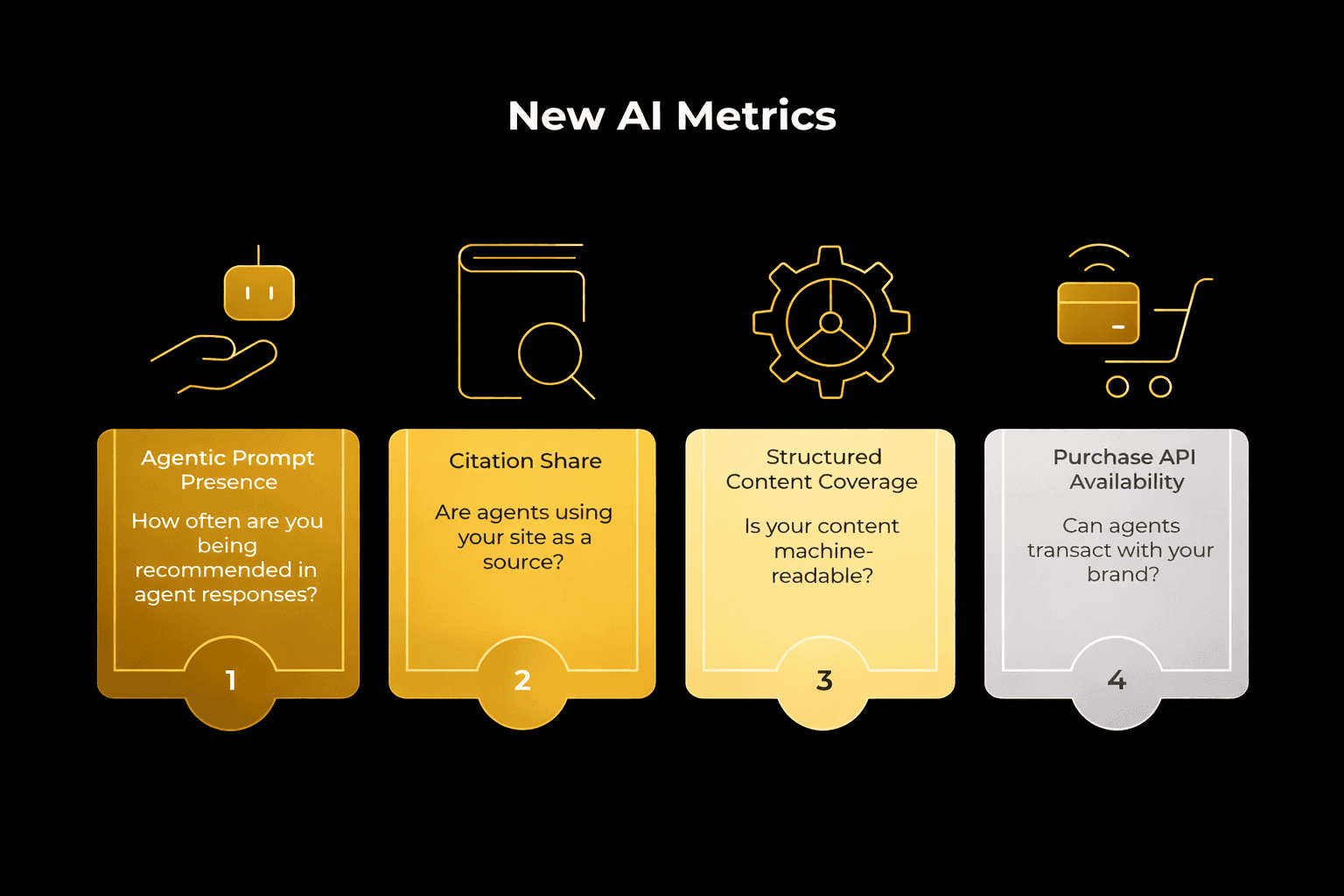
How AI Shopping Agents Change the Sales Funnel and Key Metrics
Dec 26, 2025
By Nikki Diwakar
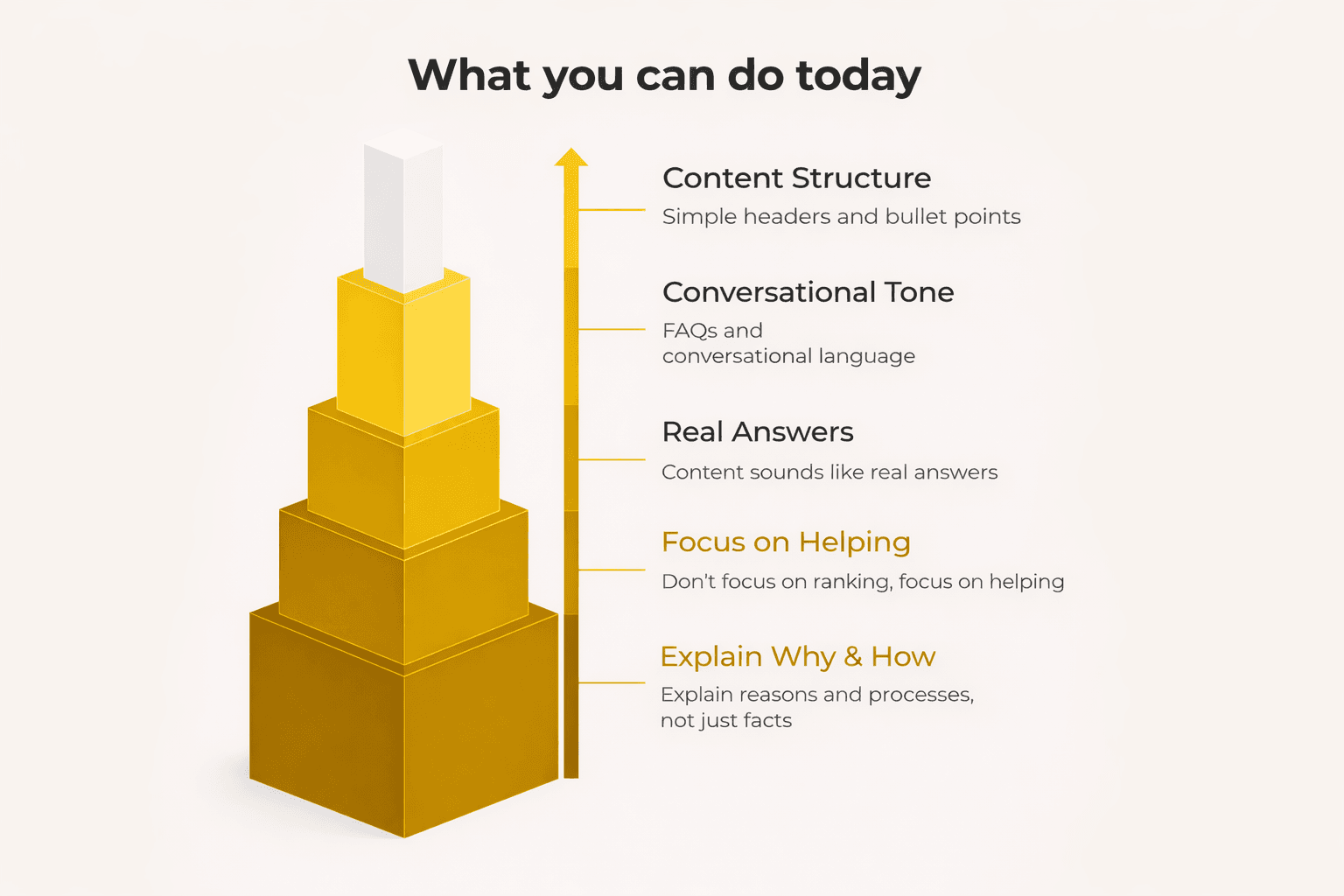
AEO vs. GEO: The New Rules for AI Search Visibility
Dec 15, 2025
By Nikki Diwakar
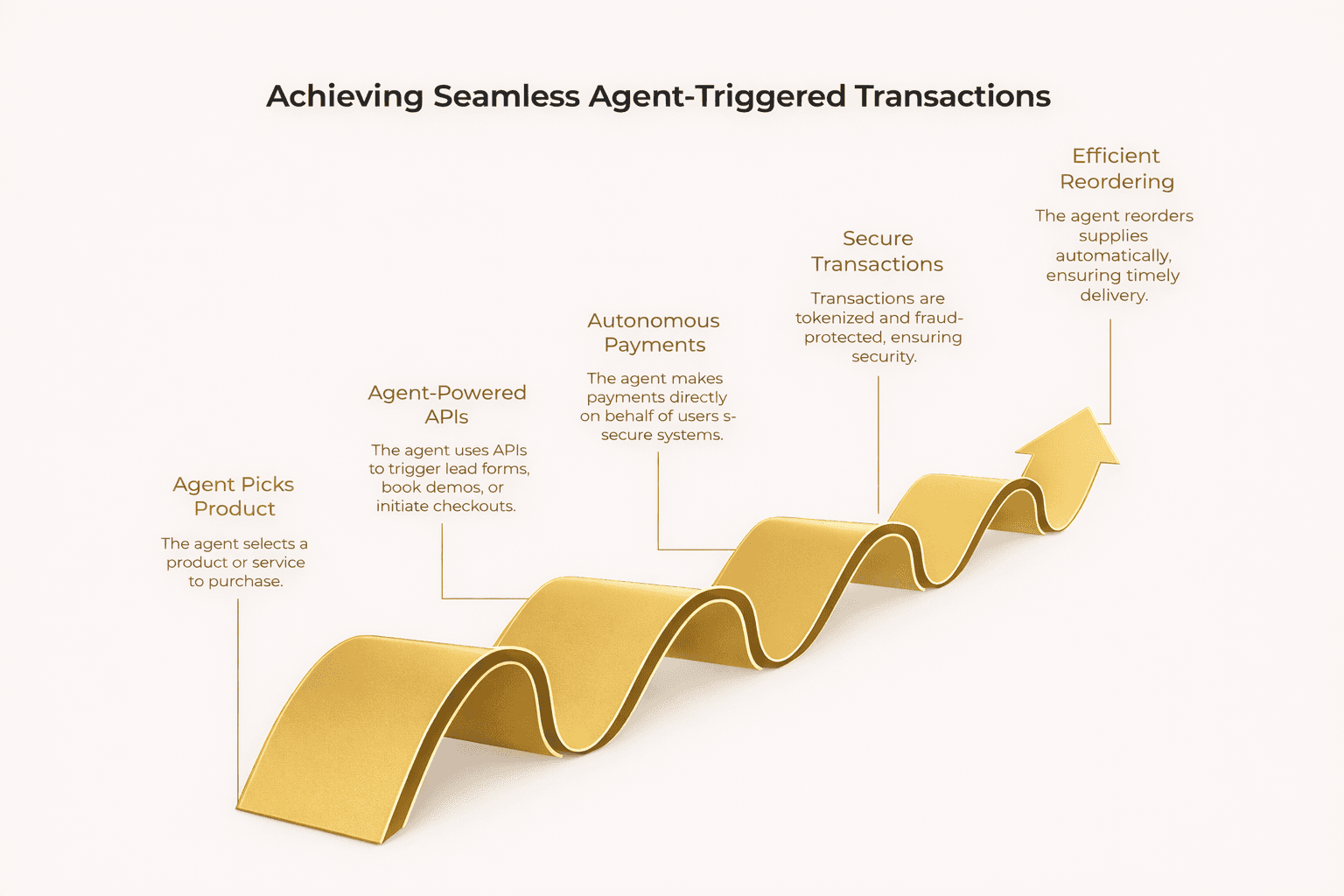
How AI Shopping Agents Work and Why They Matter for Growth
Dec 10, 2025
By Nikki Diwakar
How to Sell on ChatGPT: A Practical Guide to AI Commerce in 2026
Dec 4, 2025
By Nikki Diwakar
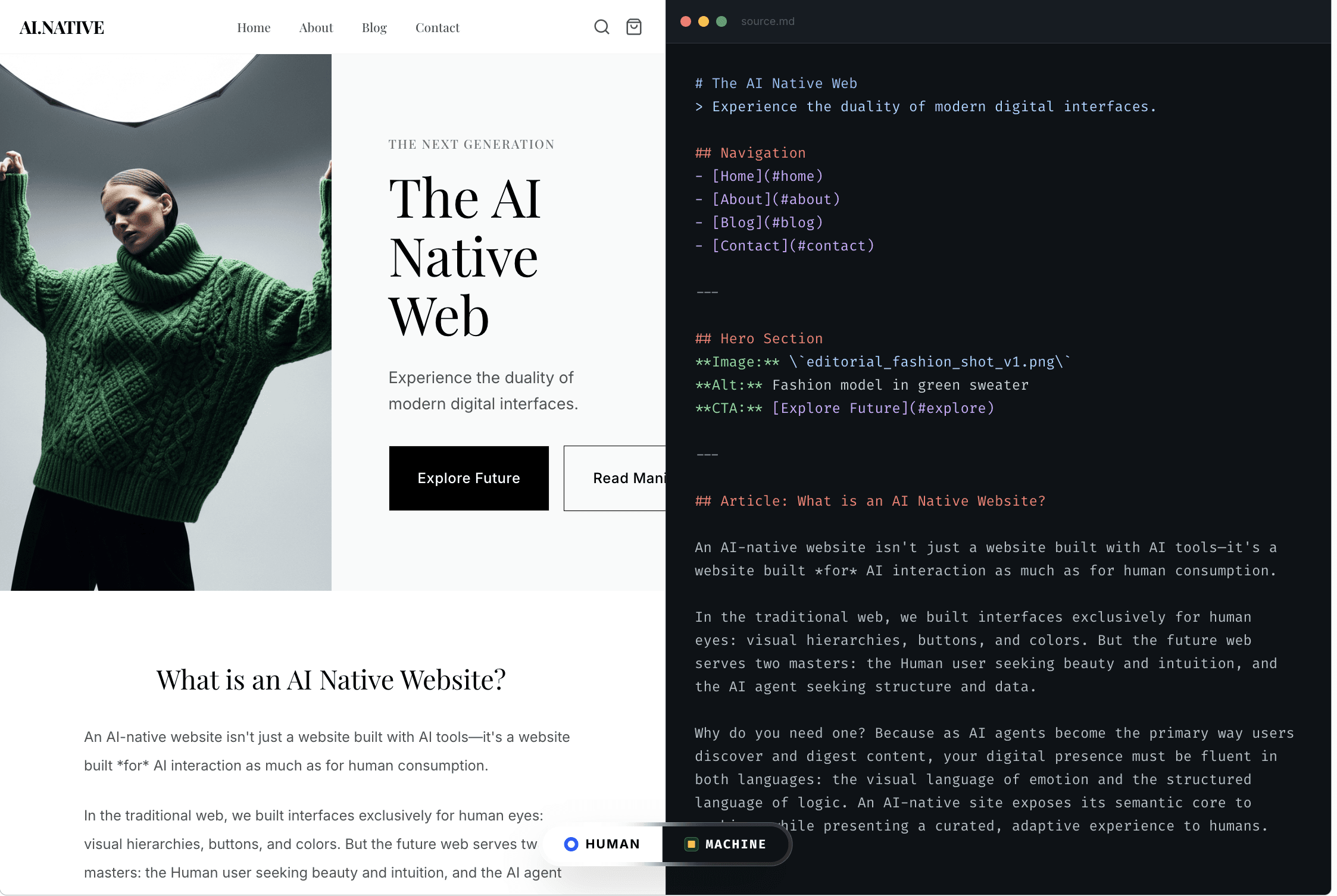
What is an AI-native website and why do you need one?
Nov 30, 2025
By Nikki Diwakar
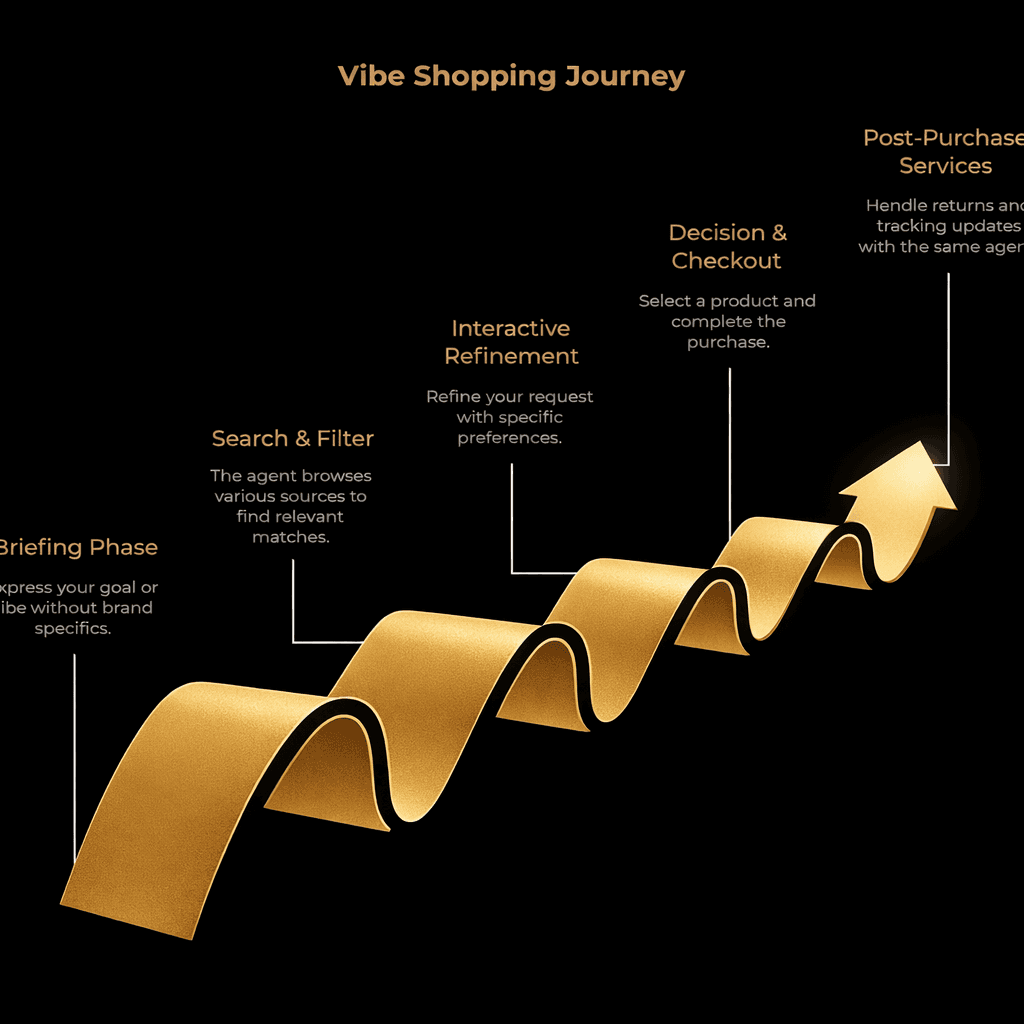
What Is Vibe Shopping and Why It Matters for Ecommerce Strategy
Nov 21, 2025
By Nikki Diwakar
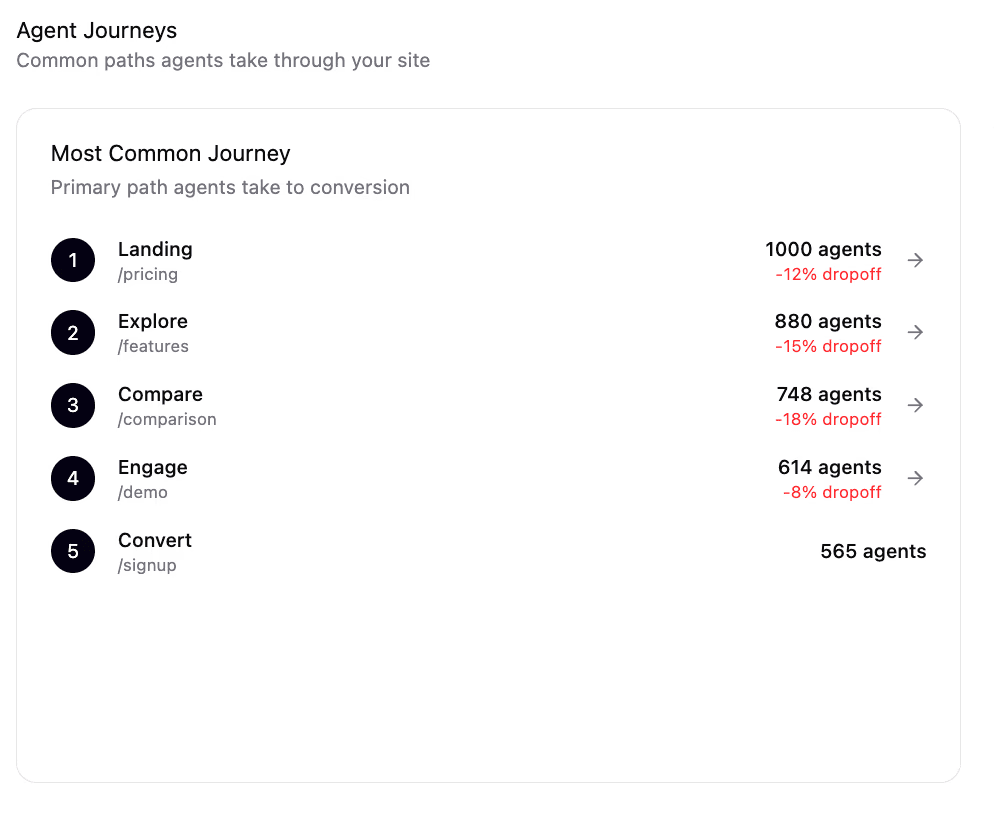
What your analytics misses: >20% of your “traffic” could be AI agents
Nov 18, 2025
By Nikki Diwakar

Delegated Traffic: When AI agents own 80% of the buyer journey
Oct 21, 2025
By Nikki Diwakar