Nov 30, 2025
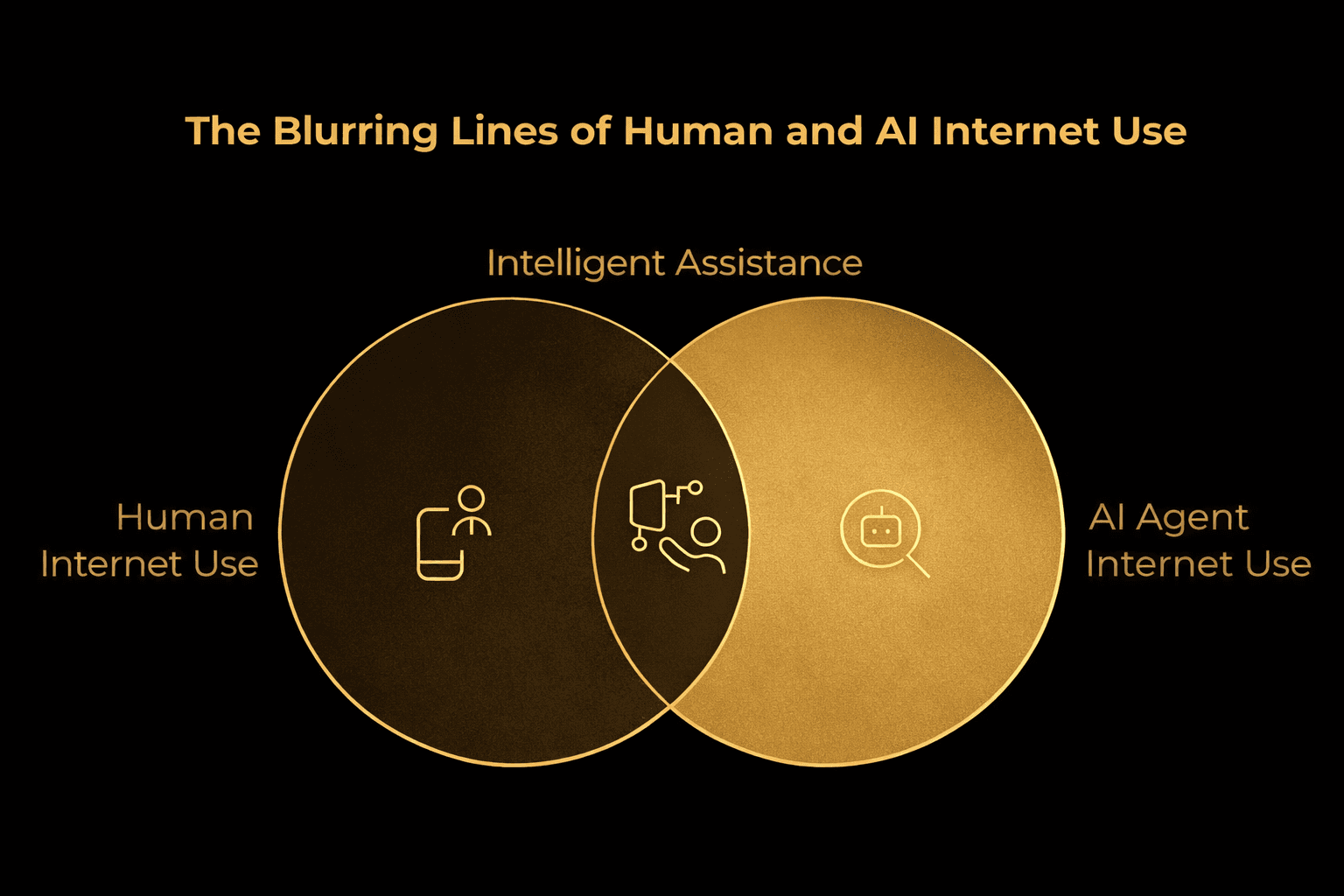
Most interfaces are built on a false assumption.
That assumption is that a human will always be the one clicking, typing, browsing, and deciding.
That assumption is now breaking.
AI agents increasingly interpret intent, evaluate options, and execute actions on behalf of users. In this environment, the interface is no longer the place where decisions are made. It is the place where authority is granted, constrained, and audited.
Agentic interfaces are not better UIs.
They are control layers for autonomous systems.
Understanding this distinction is critical for any team building products, platforms, or infrastructure in an AI-mediated world.
What an Agentic Interface Actually Is
It is not a conversational UI
Agentic interfaces are often confused with chat interfaces.
That is a mistake.
Conversation is just one possible surface. The defining trait of an agentic interface is delegation with constraints.
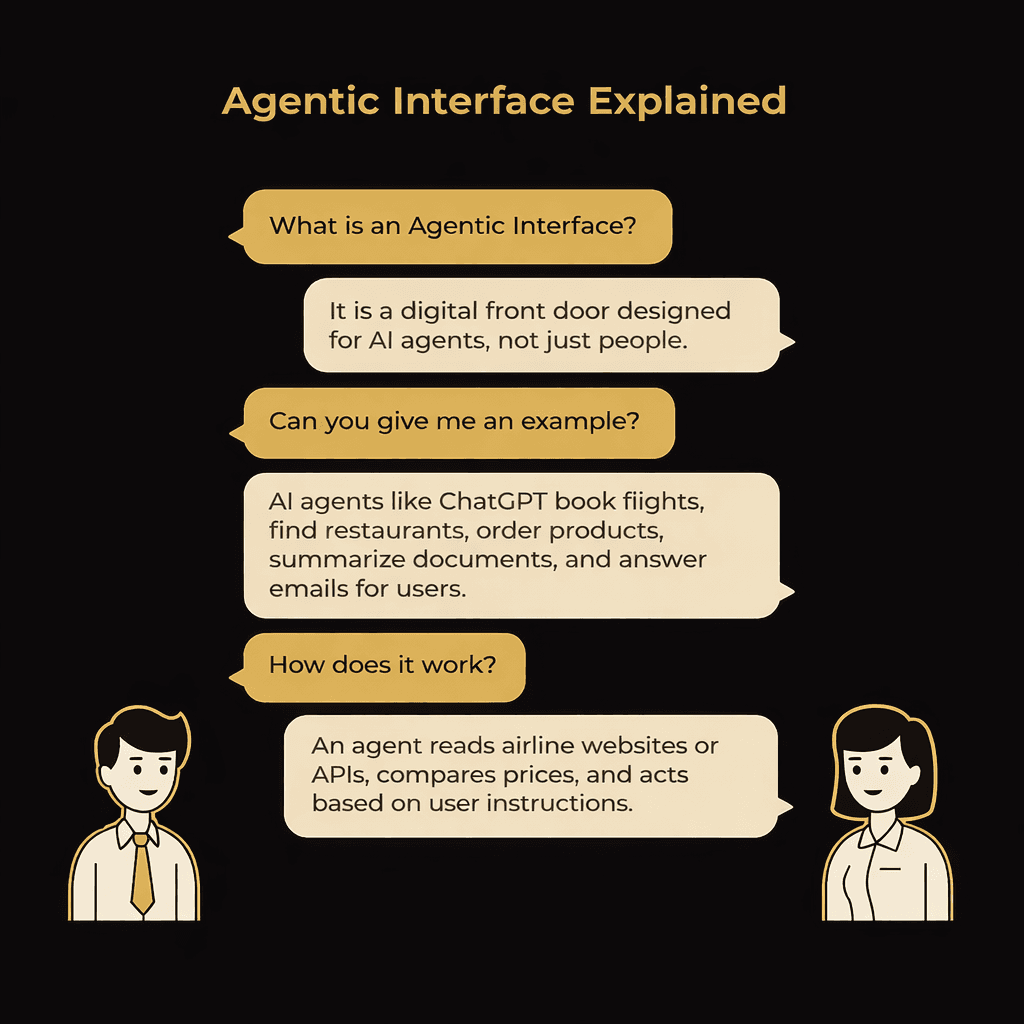
An agentic interface allows a user to say:
what the goal is
what limits apply
what authority is granted
how outcomes are approved
The interface exists to shape behavior, not to guide clicks.
It mediates intent, not interaction
Traditional interfaces translate user intent into actions through interaction.
Agentic interfaces translate intent into policies.
Once those policies are set, the agent operates independently within them. The interface recedes into the background until oversight or intervention is required.
Why Traditional Interfaces Break in Agentic Systems
Interfaces assume step-by-step execution
Buttons, forms, and flows assume:
linear progression
explicit confirmation at each step
visible state transitions
Agents collapse these steps.
They plan, evaluate, and execute asynchronously. A UI designed for step-by-step confirmation becomes friction, not safety.
Interfaces optimize attention, agents ignore it
Human interfaces are optimized for attention management.
Agents do not get distracted.
They do not scan.
They do not infer visual hierarchy.
They consume structured instructions and act.
This renders much of modern UX irrelevant to agent behavior.
The Real Role of Agentic Interfaces
1. Authorization and trust
The primary function of an agentic interface is granting authority.
What can the agent do?
Under what conditions?
With what resources?
With what budget, identity, or credentials?
This is closer to permission systems than UI design.
2. Constraint definition
Constraints are the product.
Spend limits.
Brand rules.
Safety boundaries.
Compliance requirements.
The interface defines the operating envelope, not the path.
3. Oversight and intervention
Agentic systems require supervision, not micromanagement.
Interfaces must support:
visibility into agent actions
explanation of decisions
pause, revoke, or override controls
This is operational governance, not UX polish.
Agentic Interfaces in Commerce and Product
Commerce shifts from checkout to delegation
In agentic commerce, users do not “check out.”
They authorize.
An agent is allowed to search, compare, and transact within defined rules. The interface is the place where trust is established and limits are enforced.
This is why payments, identity, and policy layers now sit upstream of UI.
Product discovery becomes indirect
Users may never see the products an agent evaluates.
Interfaces must therefore expose:
preference tuning
priority weighting
acceptable tradeoffs
Discovery becomes configuration, not browsing.
Strategic Implications for Teams
If you treat agentic interfaces as a UI problem:
you will over-invest in visuals
you will under-invest in control systems
you will misunderstand risk and accountability
If you treat them as infrastructure:
you design for delegation
you build explicit trust models
you gain leverage as agents scale
The competitive advantage lies in how safely and effectively users can hand control to machines.
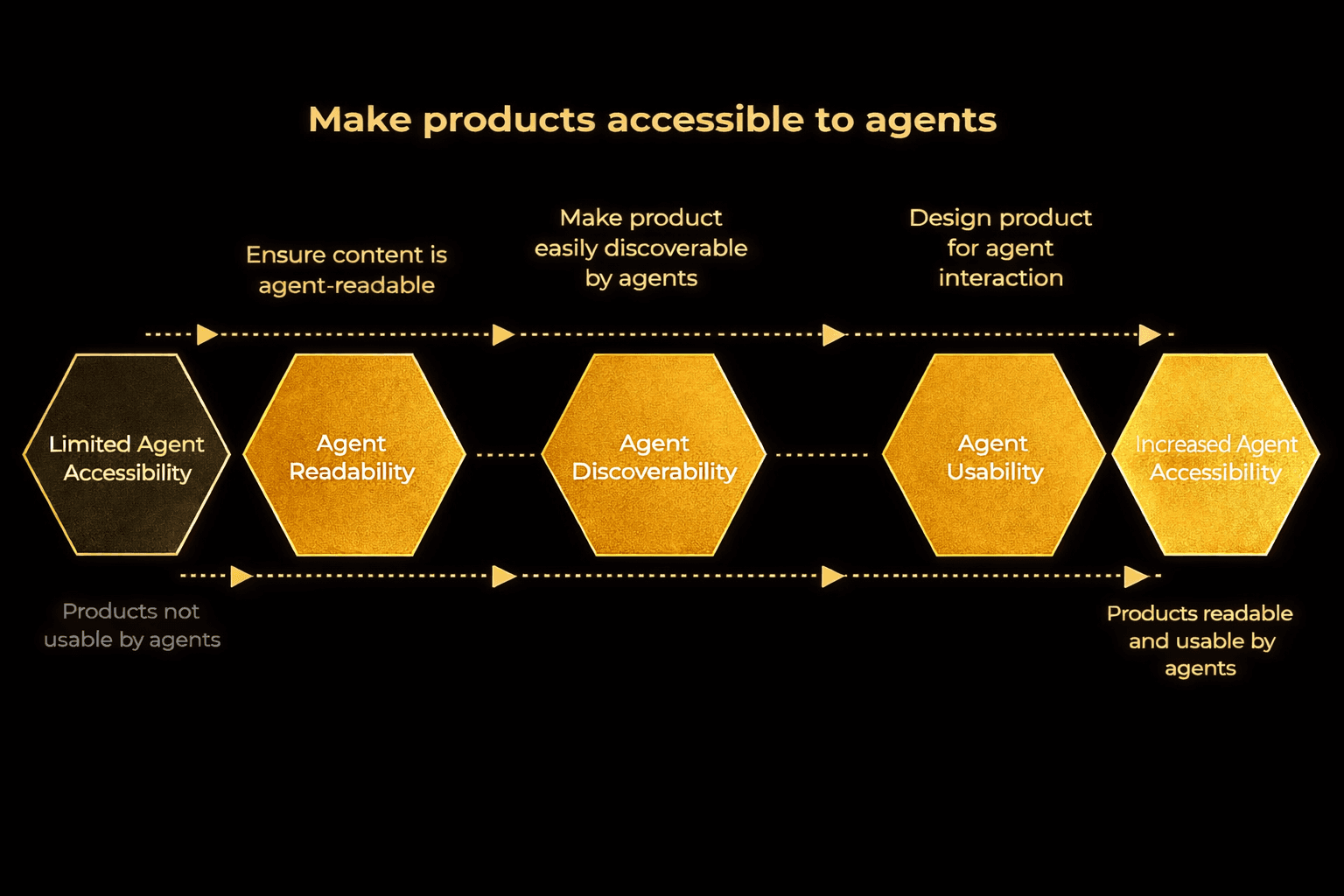
Practical Execution: What Teams Should Do Now
Identify where agents already act implicitly
Scheduling, recommendations, auto-renewals, and routing are early agent behaviors.Replace implicit automation with explicit delegation
Make authority visible, bounded, and revocable.Design constraint-first interfaces
Start with limits, not flows.Separate human UX from agent control surfaces
They serve different purposes and should not be conflated.Instrument agent actions, not just user clicks
Oversight requires observability.
Agentic interfaces mark a shift from interaction to delegation.
They are not about making software easier to use. They are about making autonomy safe, legible, and controllable.
Teams that understand this will design systems users trust with real authority.
Teams that do not will keep polishing interfaces for users who are no longer the ones doing the work.
Read more from our blog
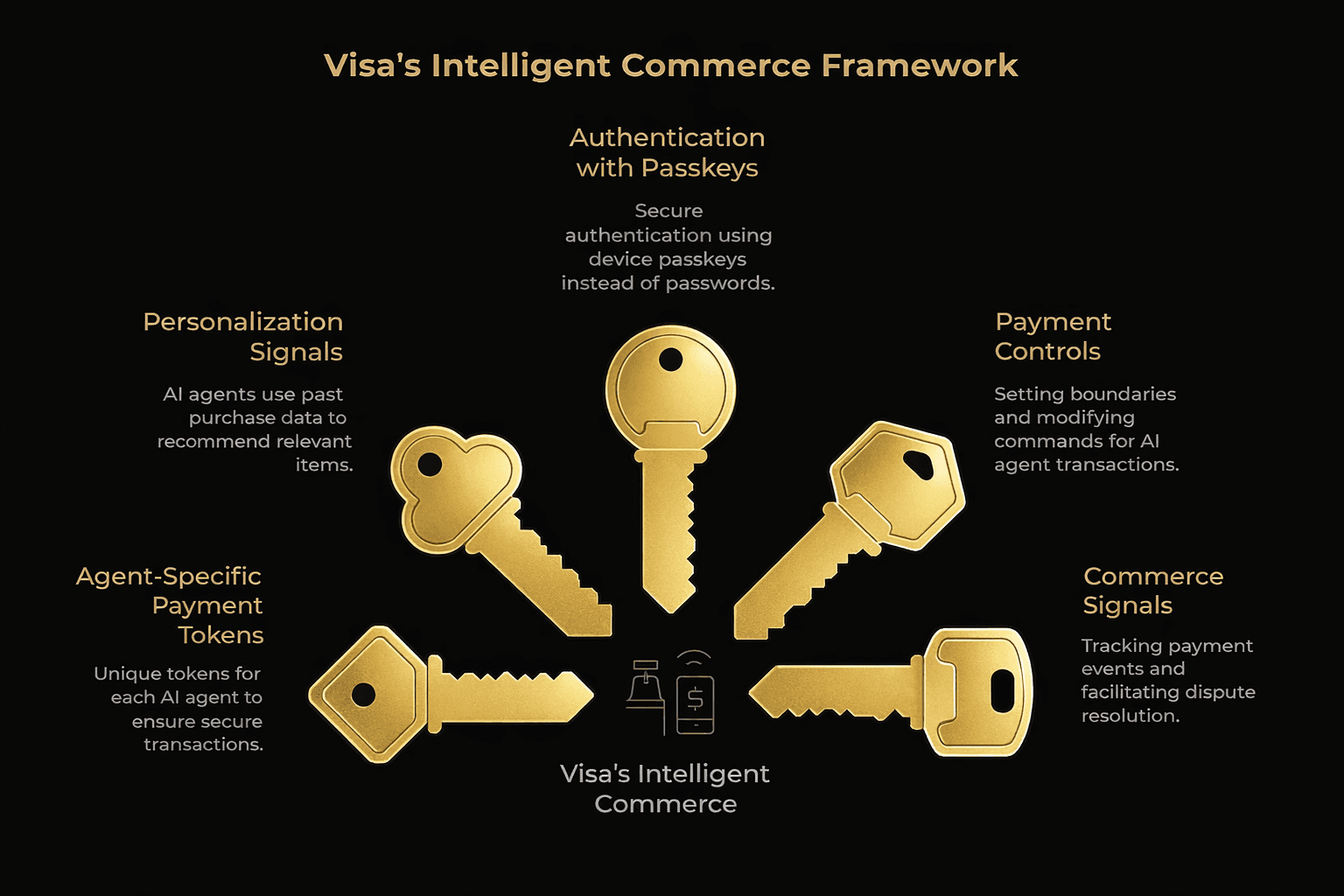
How Visa Enables AI Agents to Shop and Pay
Jan 26, 2026
By Nikki Diwakar
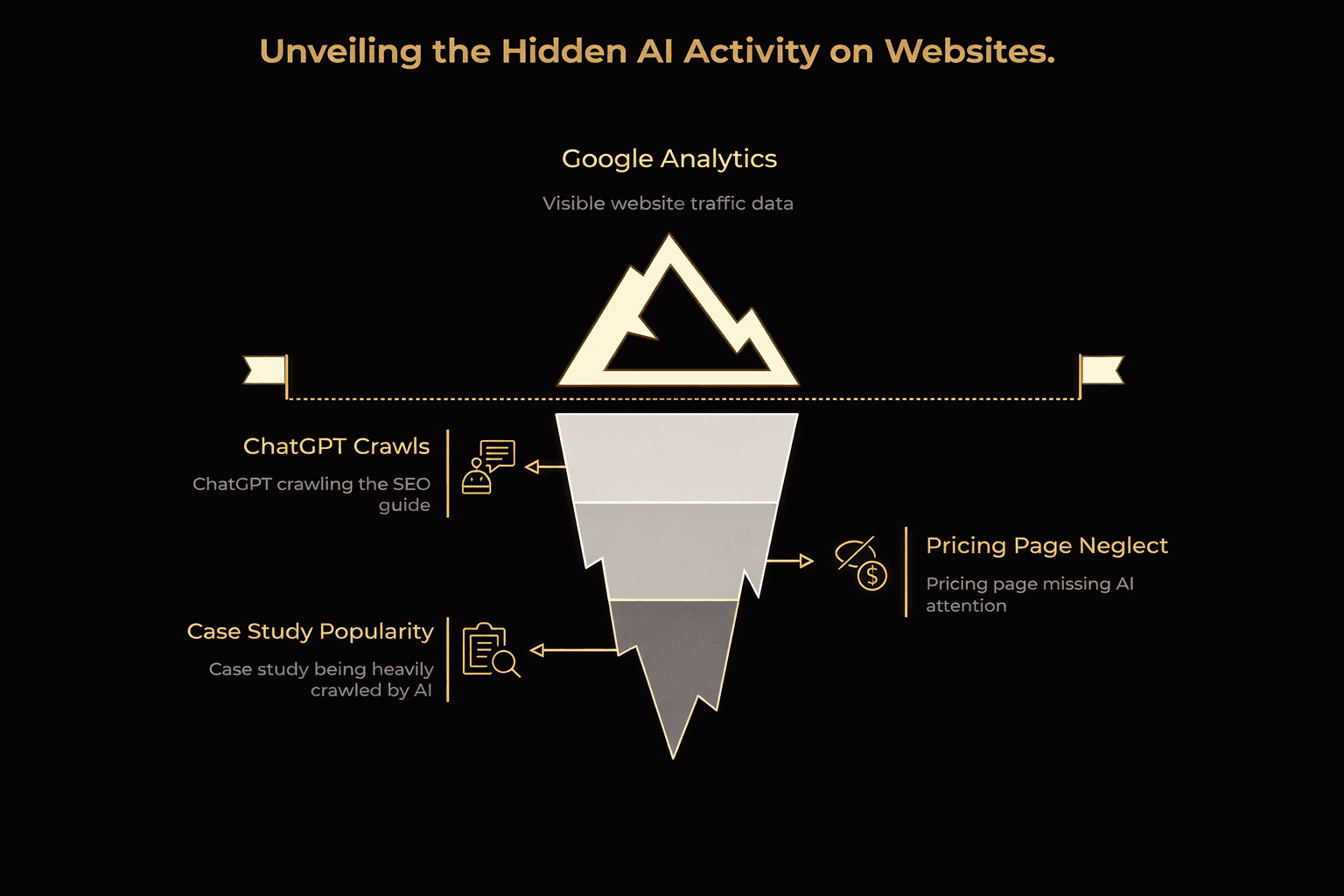
How To Measure AI Agents When Google Analytics Cannot
Jan 23, 2026
By Nikki Diwakar
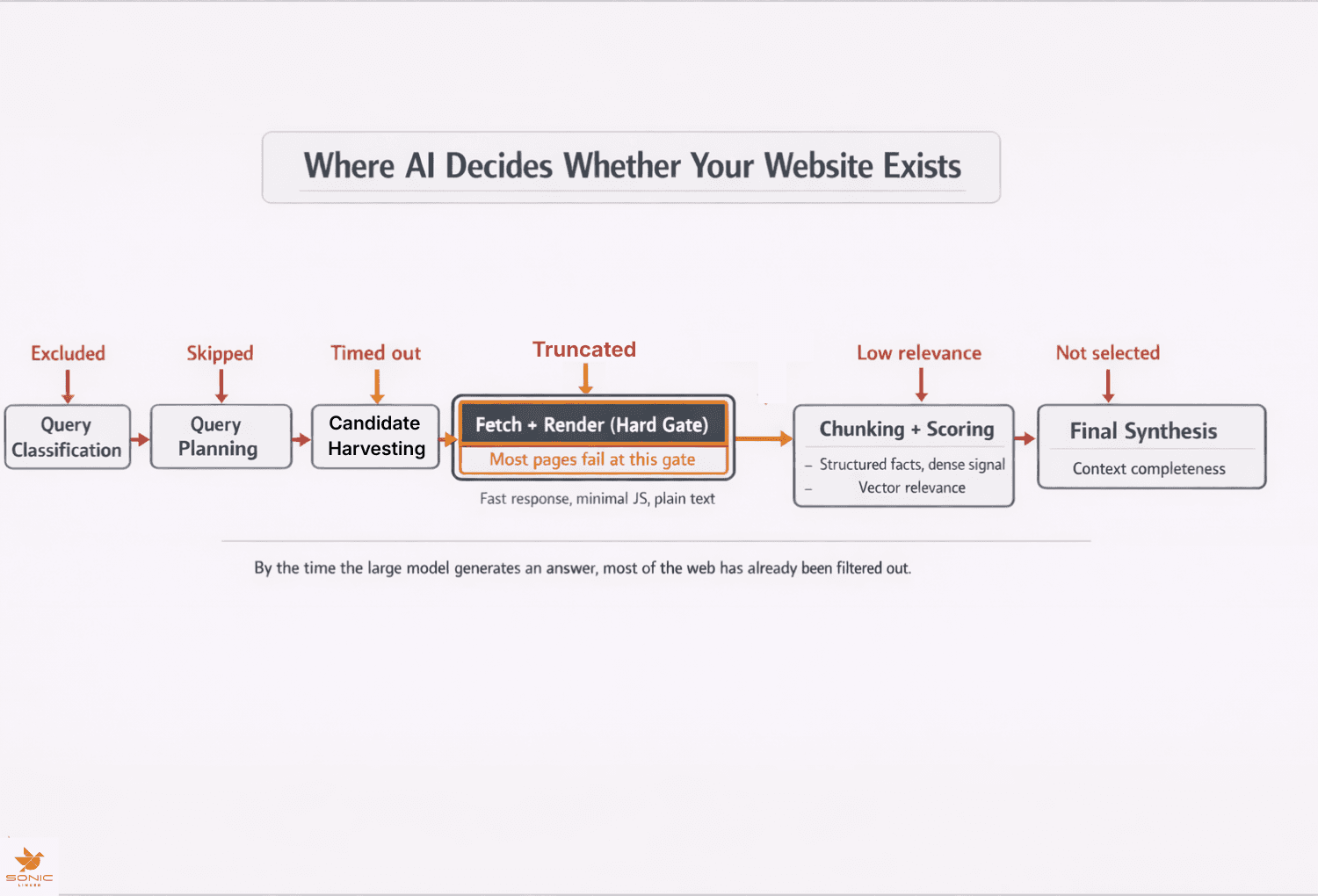
How ChatGPT Finds and Chooses Websites
Jan 21, 2026
By Nikki Diwakar
How LLMs Discover Your Model Context Protocol and Why It Matters
Jan 19, 2026
By Nikki Diwakar

What You Should Know About Shopify’s Model Context Protocol
Jan 13, 2026
By Nikki Diwakar
B2A Commerce Explained: Winning in an Era of AI Shopping Agents
Jan 12, 2026
By Nikki Diwakar
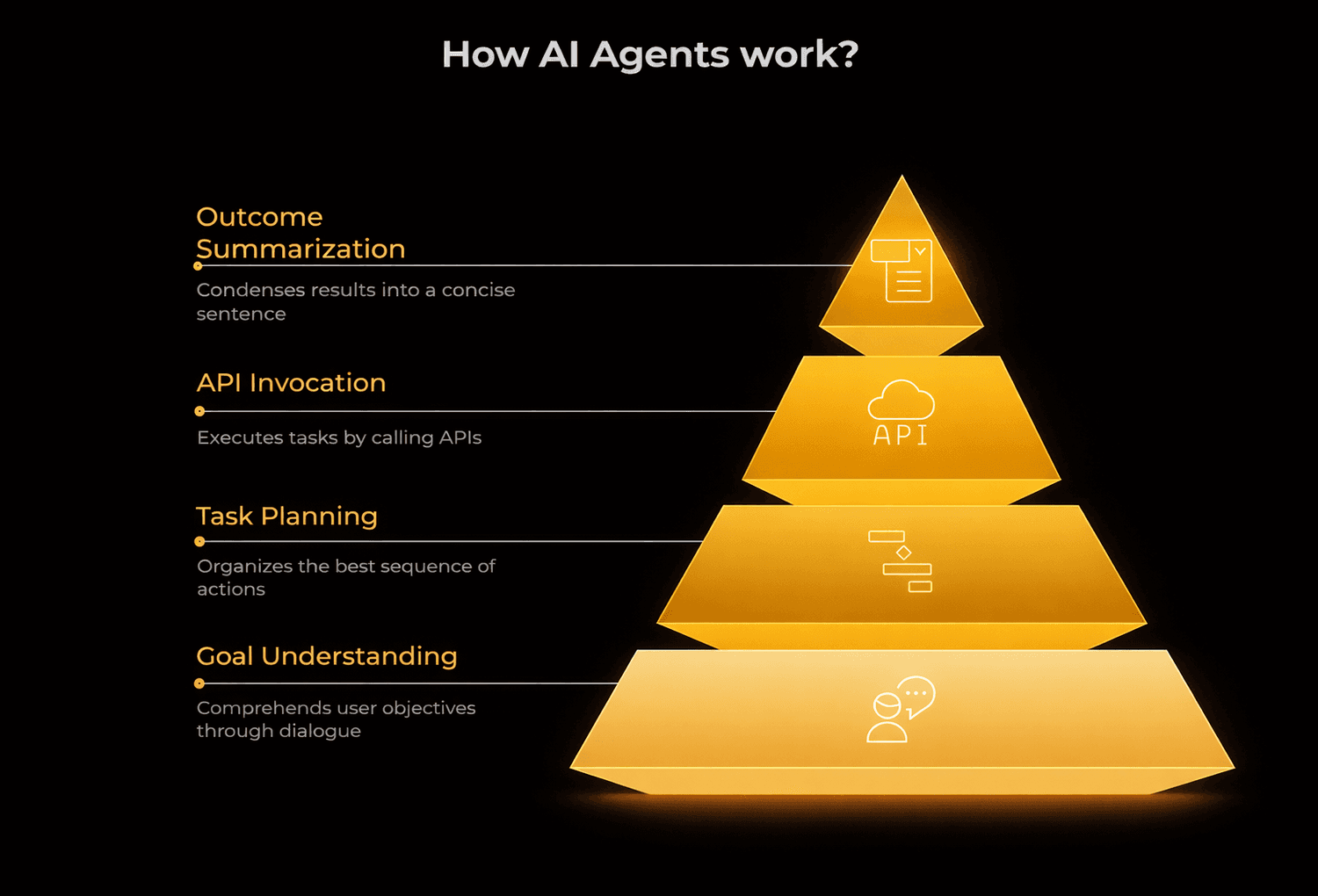
Agent-First Product Strategy: Building for AI Users, Not Humans
Jan 7, 2026
By Nikki Diwakar
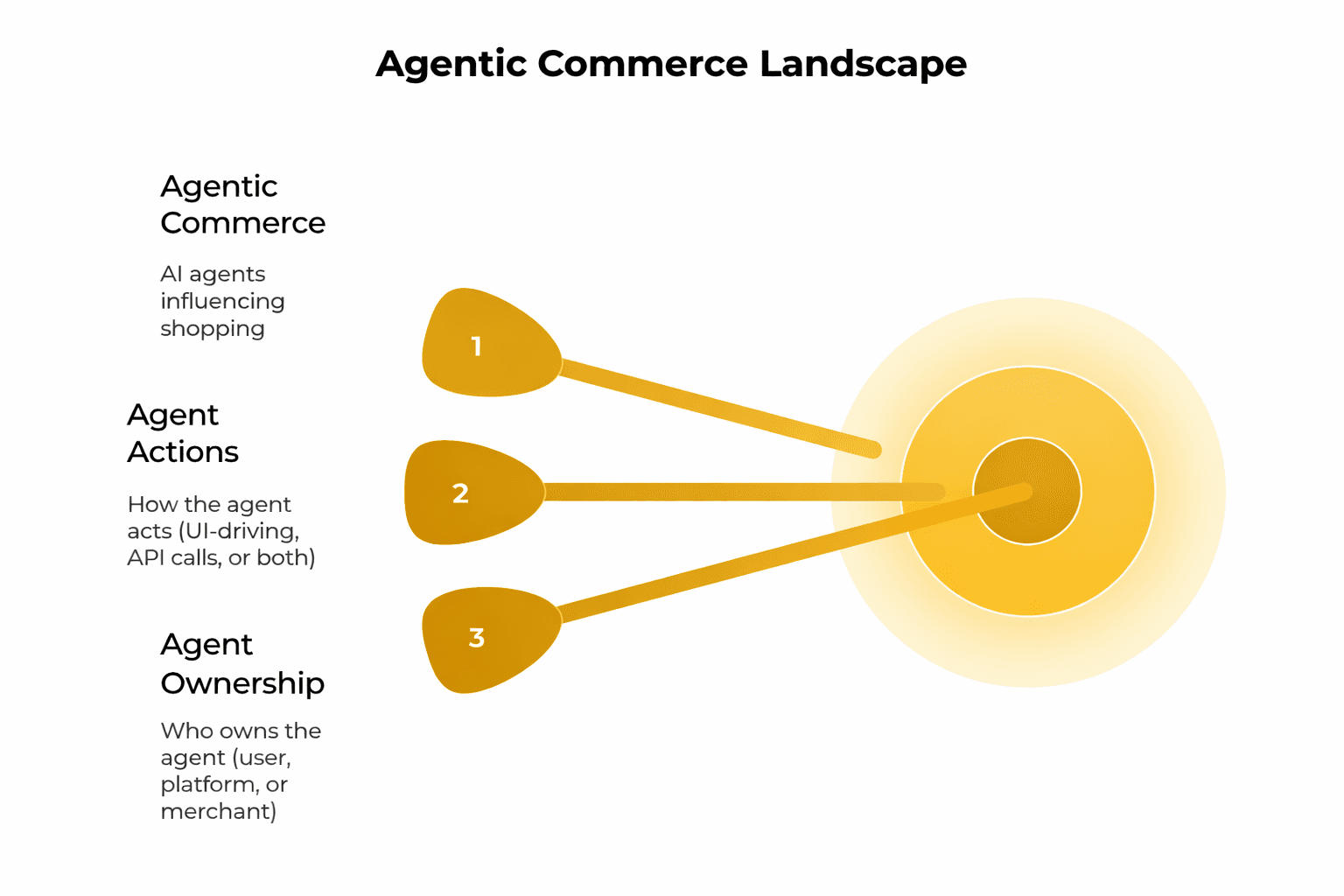
Agentic Commerce Interfaces: How AI Agents Are Rewriting the Buying Experience
Jan 5, 2026
By Nikki Diwakar
ChatGPT Apps just changed how customers buy (quietly)
Dec 31, 2025
By Nikki Diwakar
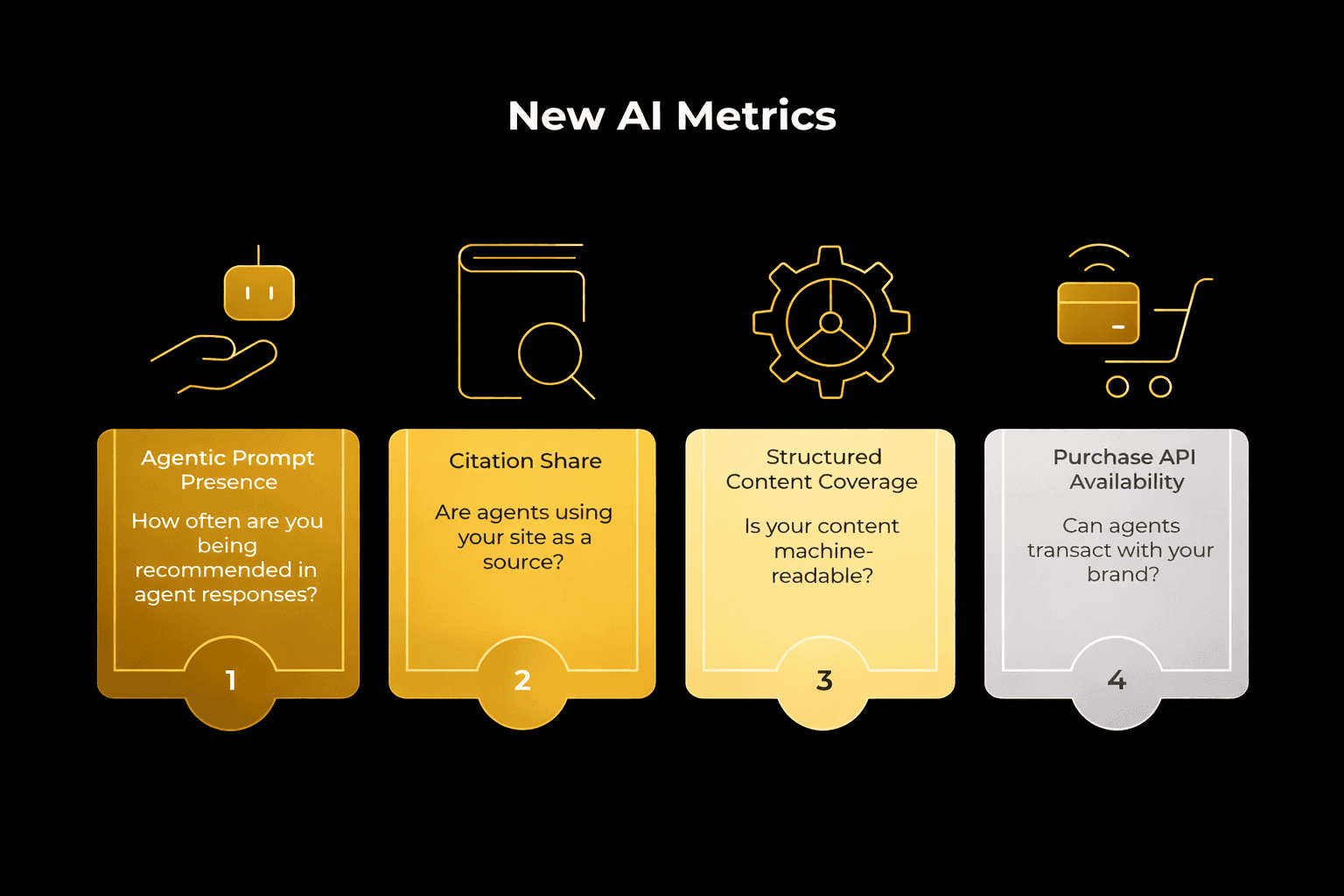
How AI Shopping Agents Change the Sales Funnel and Key Metrics
Dec 26, 2025
By Nikki Diwakar
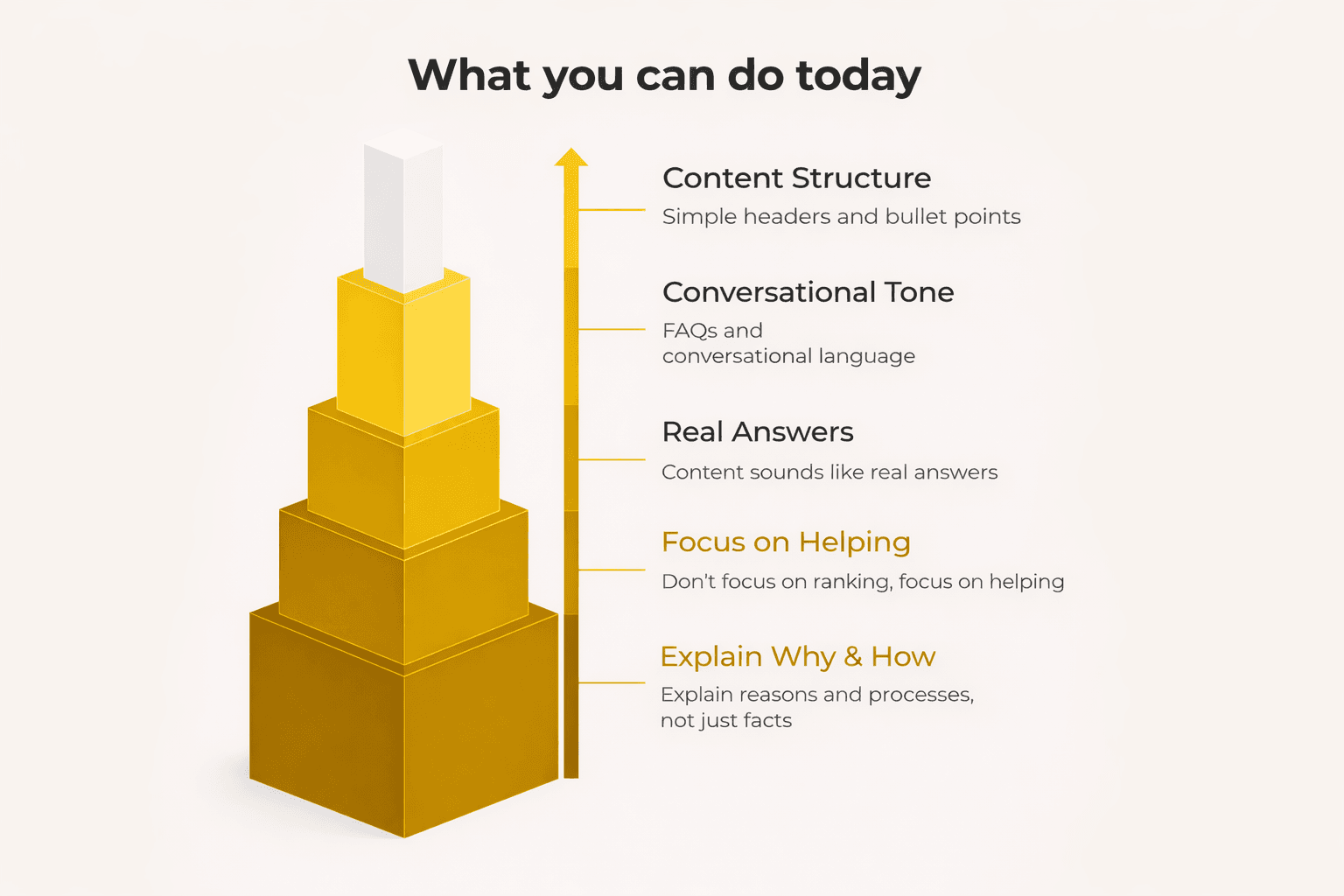
AEO vs. GEO: The New Rules for AI Search Visibility
Dec 15, 2025
By Nikki Diwakar
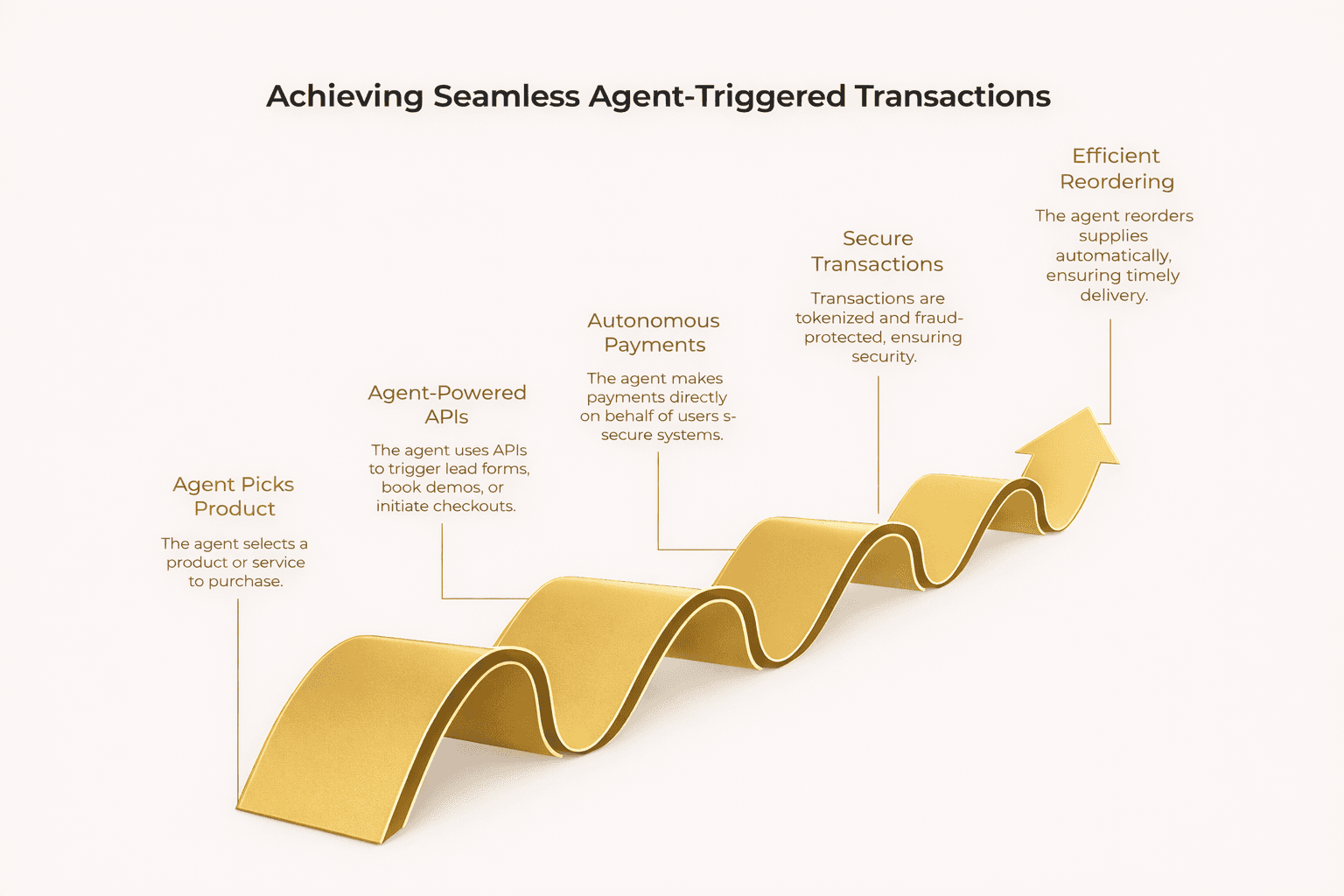
How AI Shopping Agents Work and Why They Matter for Growth
Dec 10, 2025
By Nikki Diwakar

How to Sell on ChatGPT: A Practical Guide to AI Commerce in 2026
Dec 4, 2025
By Nikki Diwakar
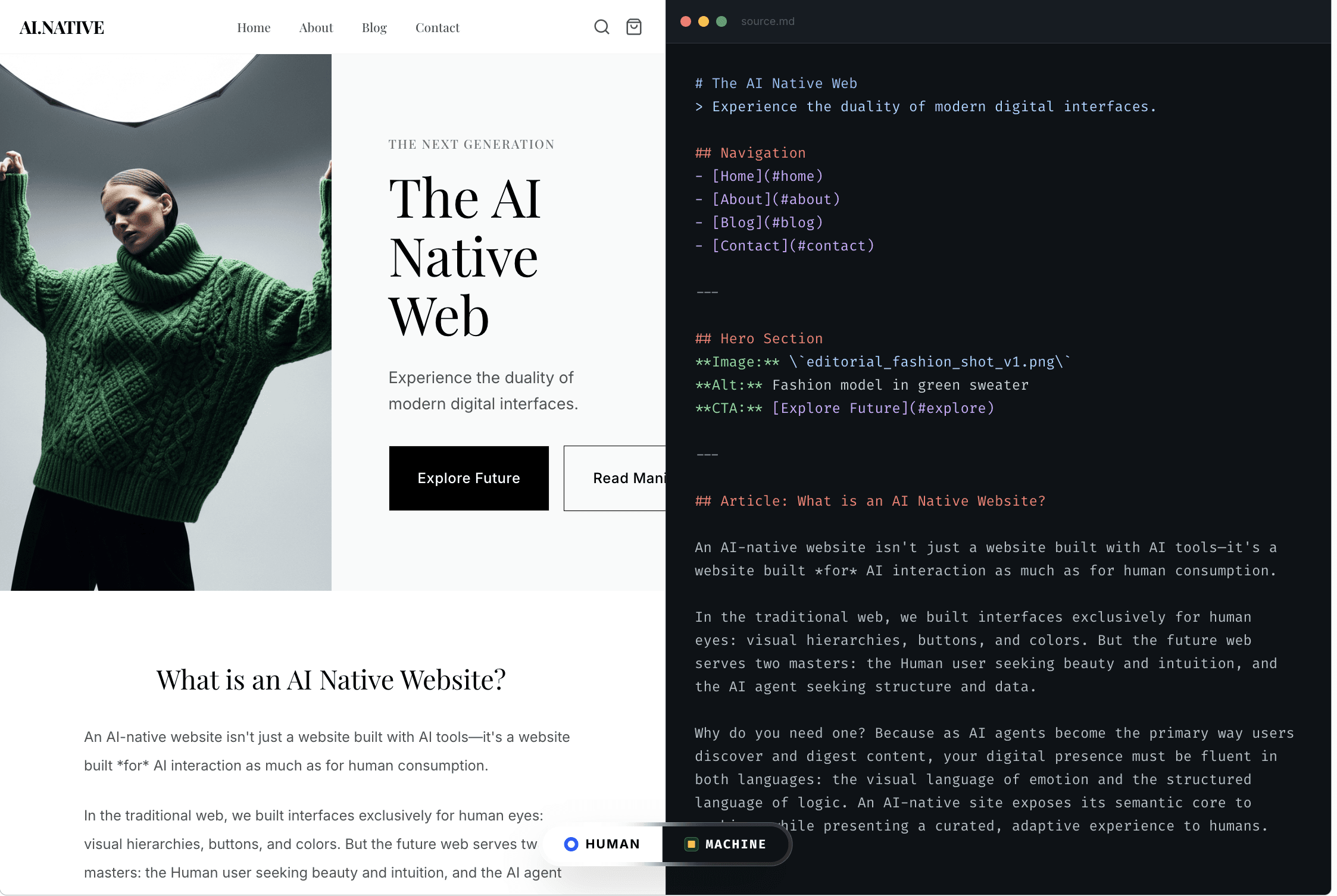
What is an AI-native website and why do you need one?
Nov 30, 2025
By Nikki Diwakar
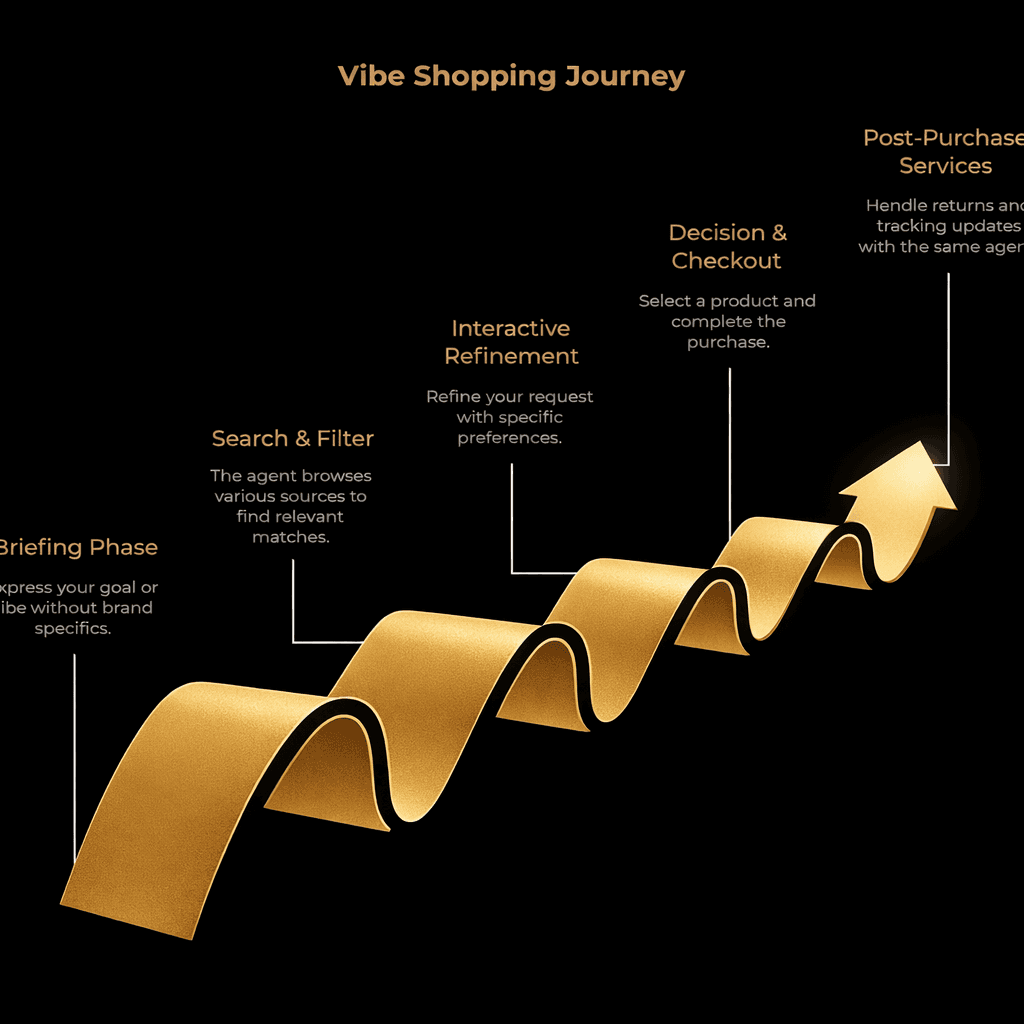
What Is Vibe Shopping and Why It Matters for Ecommerce Strategy
Nov 21, 2025
By Nikki Diwakar
What your analytics misses: >20% of your “traffic” could be AI agents
Nov 18, 2025
By Nikki Diwakar

Delegated Traffic: When AI agents own 80% of the buyer journey
Oct 21, 2025
By Nikki Diwakar