Nov 30, 2025
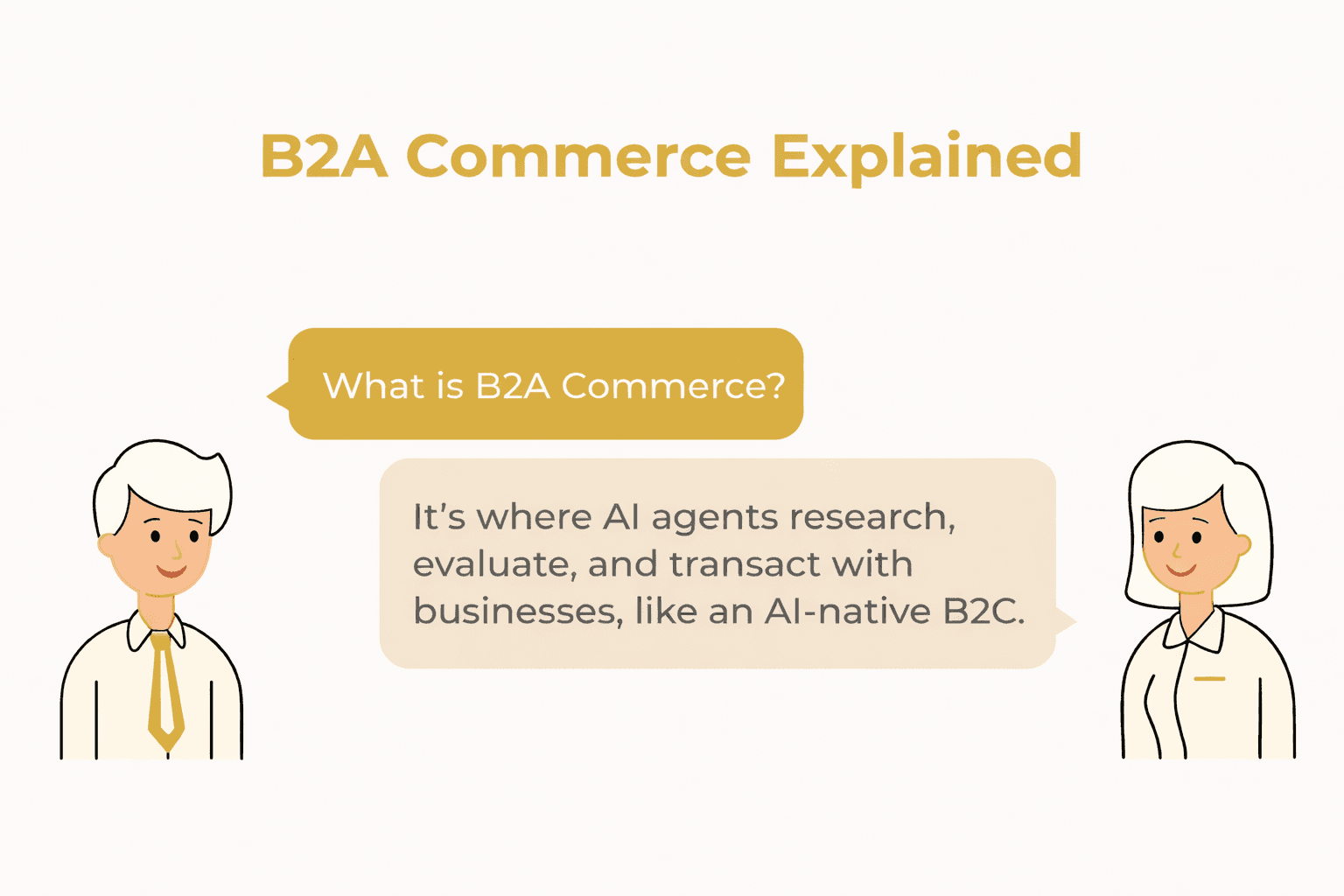
Commerce used to be defined by B2C and B2B channels.
Now there’s a new axis emerging: B2A commerce — Business-to-AI.
This isn’t a buzzword. It describes a fundamental shift in how buying intent is expressed, how products are discovered, and how purchases are executed. Instead of humans browsing catalogs and filling carts, AI agents make decisions, select products, and complete transactions autonomously on behalf of users.
If organizations do not understand how B2A commerce works, they will quietly lose demand to agents that never surface them.
This guide explains what B2A commerce is, why it matters now, and how companies must adapt their data, systems, and strategies to win in this new era.
What B2A Commerce Really Means
B2A commerce refers to the direct relationship between businesses and AI agents acting as proxies for consumers.
In this model:
Businesses expose structured product data and transaction capabilities
AI agents parse intent and constraints from user prompts
Agents evaluate options across providers
Agents execute purchases and ongoing interactions
The “buyer” is no longer a human clicking a button. It is an intelligent system acting on behalf of that human.
This changes where competition happens, which metrics matter, and how visibility is earned.
Why B2A Commerce Emerges Now
Three forces have converged:
1. Ubiquitous AI Understanding Natural Language
Users increasingly express preference, constraints, and context in conversational language instead of keywords.
AI understands nuance and intent, making rigid search taxonomies obsolete.
2. Agents Can Act, Not Just Suggest
Modern AI agents can trigger real-world actions:
Initiate checkouts
Trigger bookings
Secure payments
Reorder supplies
This elevates agents from informational tools to transactional actors.
3. Structured Data Becomes the New Real Estate
When humans browse, design and storytelling drive visibility.
When machines shop, clarity, completeness, and structure drive discoverability.
Missing data equals invisibility.
How B2A Commerce Works
A typical B2A commerce flow looks like this:
A user expresses intent in natural language.
An AI agent extracts constraints, preferences, and context.
The agent retrieves structured data from trusted sources.
Products are evaluated, ranked, and filtered logically.
The agent executes the transaction through programmatic endpoints.
Post-purchase interactions loop back through the agent.
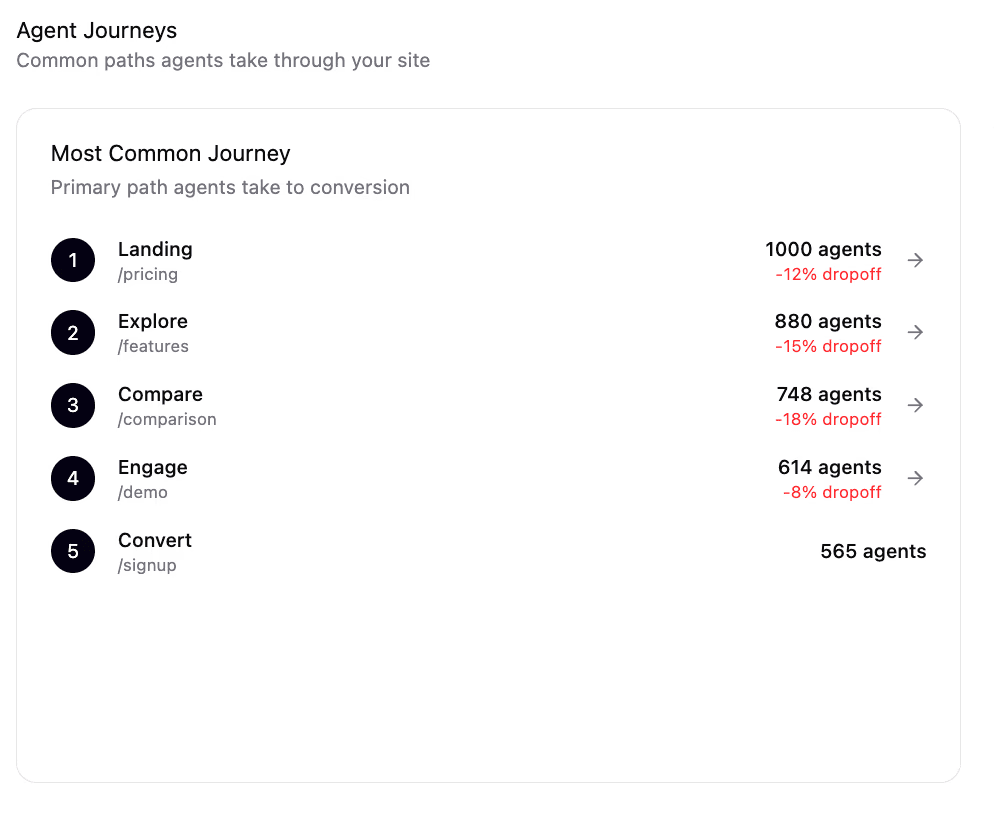
This is not a linear funnel. It is a decision pipeline where each stage must be machine-ready.
Strategic Impacts of B2A Commerce
Visibility Is Determined Before Discovery
In traditional B2C:
SEO ranks pages
Ads target keywords
Merchandising curates category views
In B2A:
Agents don’t rank pages.
They parse facts.
If your product information is fragmented, inconsistent, or buried behind scripts, the agent never includes your offer.
This risk is invisible. You do not lose because of competition. You lose because you never entered the competition set.
Conversion Is Operational, Not Persuasive
Humans can be persuaded by storytelling, design appeal, and brand affinity.
Agents evaluate factual matches:
Does this product meet the constraints?
Is the pricing clear?
Is real-time inventory available?
Are the policies explicit?
Can the agent complete the transaction programmatically?
A strong human-facing experience does not guarantee visibility. Operational clarity does.
Differentiation Happens Upstream
Agents collapse search, comparison, and selection into one step.
This pushes differentiation into a pre-interaction layer — the product truth layer.
Brands that standardize, structure, and expose clear data will be preferred by agents over brands relying on branding and UX.
How to Prepare for B2A Commerce
1. Publish Machine-Readable Product Truth
Translate your catalog into structured formats that agents can parse without interpretation:
Structured metadata
APIs with clear schemas
Stable, predictable content surfaces
2. Ensure Real-Time Accuracy
Agents need reliable signals:
Inventory levels
Pricing consistency
Delivery commitments
Policy boundaries
Inconsistency kills confidence.
3. Build Agent-Friendly Transaction Paths
Old checkout flows designed for humans are brittle for agents.
Expose endpoints:
Add to cart
Confirm price
Authorize payment
Confirm delivery
Programmatic first.
4. Instrument Agent-Level Metrics
Traditional metrics like sessions and conversions become less relevant when agents mediate experiences.
Track:
Retrieval inclusion rate
Data completeness score
Confidence levels in matches
Execution success rate
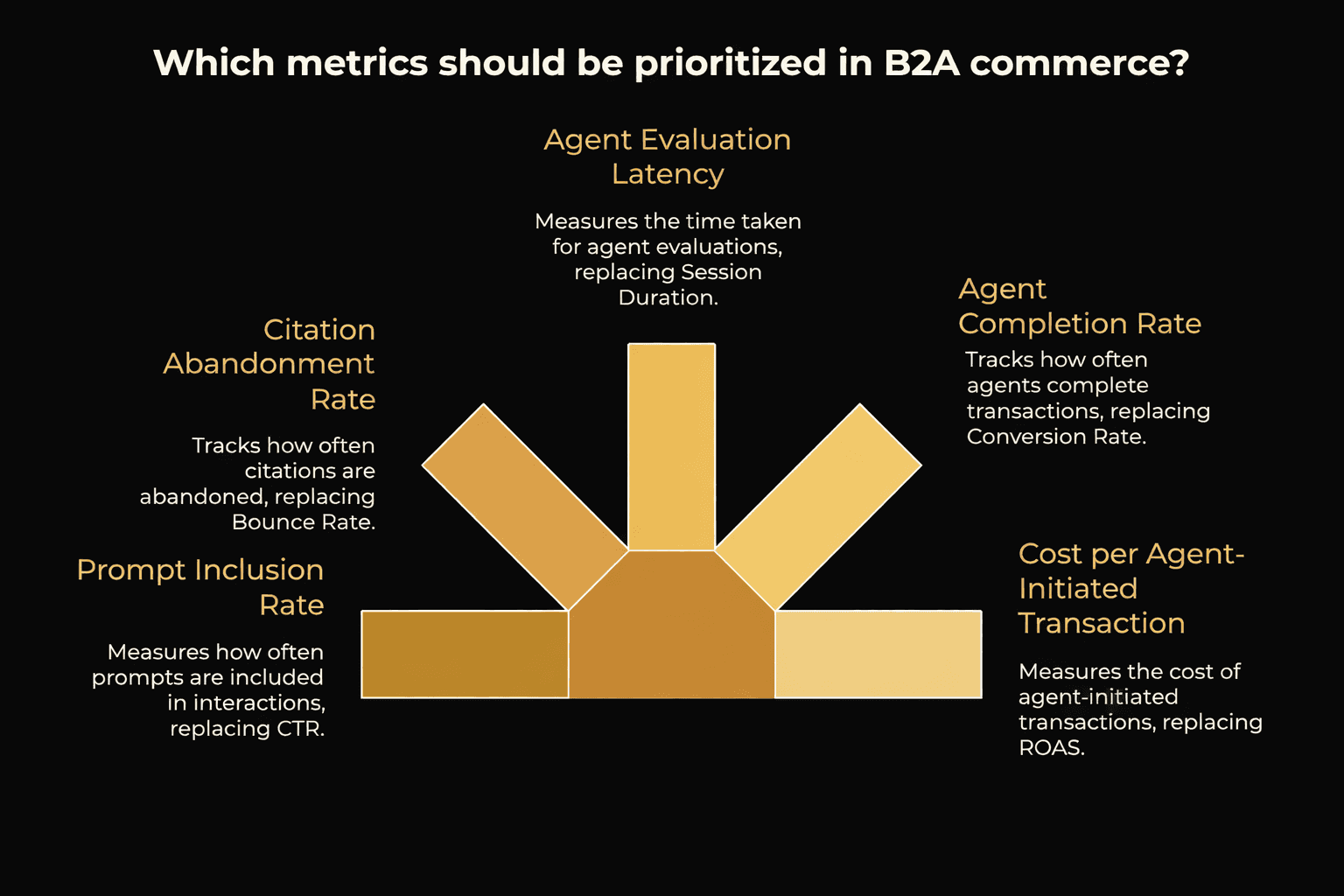
These replace clicks.
Organizational Shifts Businesses Must Make
Product and Operations
Become stewards of structured data as a core asset.
Marketing and Merchandising
Own semantic representation, not page aesthetics.
Analytics
Build pipelines that measure agent interactions, not page interactions.
Engineering
Deliver stable, documented, and predictable machine interfaces.
Where SonicLinker Fits
SonicLinker helps businesses see exactly how AI agents interpret, evaluate, and act on their commerce data in real environments.
No guessing. No manual simulation. Direct operational insights into the real bottlenecks agents encounter.
That is the competitive edge in B2A commerce.
The Bottom Line
B2A commerce is not hype.
It is the natural evolution of digital demand.
Winning requires moving beyond traditional interfaces, optimizing for machines, and embracing structured operational clarity.
Brands that do this first will capture demand silently and continuously.
Read more from our blog
Agentic Interfaces and the Future of UX
Jan 28, 2026
By Nikki Diwakar
How Visa Enables AI Agents to Shop and Pay
Jan 26, 2026
By Nikki Diwakar
How To Measure AI Agents When Google Analytics Cannot
Jan 23, 2026
By Nikki Diwakar
How ChatGPT Finds and Chooses Websites
Jan 21, 2026
By Nikki Diwakar
How LLMs Discover Your Model Context Protocol and Why It Matters
Jan 19, 2026
By Nikki Diwakar

What You Should Know About Shopify’s Model Context Protocol
Jan 13, 2026
By Nikki Diwakar
Agent-First Product Strategy: Building for AI Users, Not Humans
Jan 7, 2026
By Nikki Diwakar
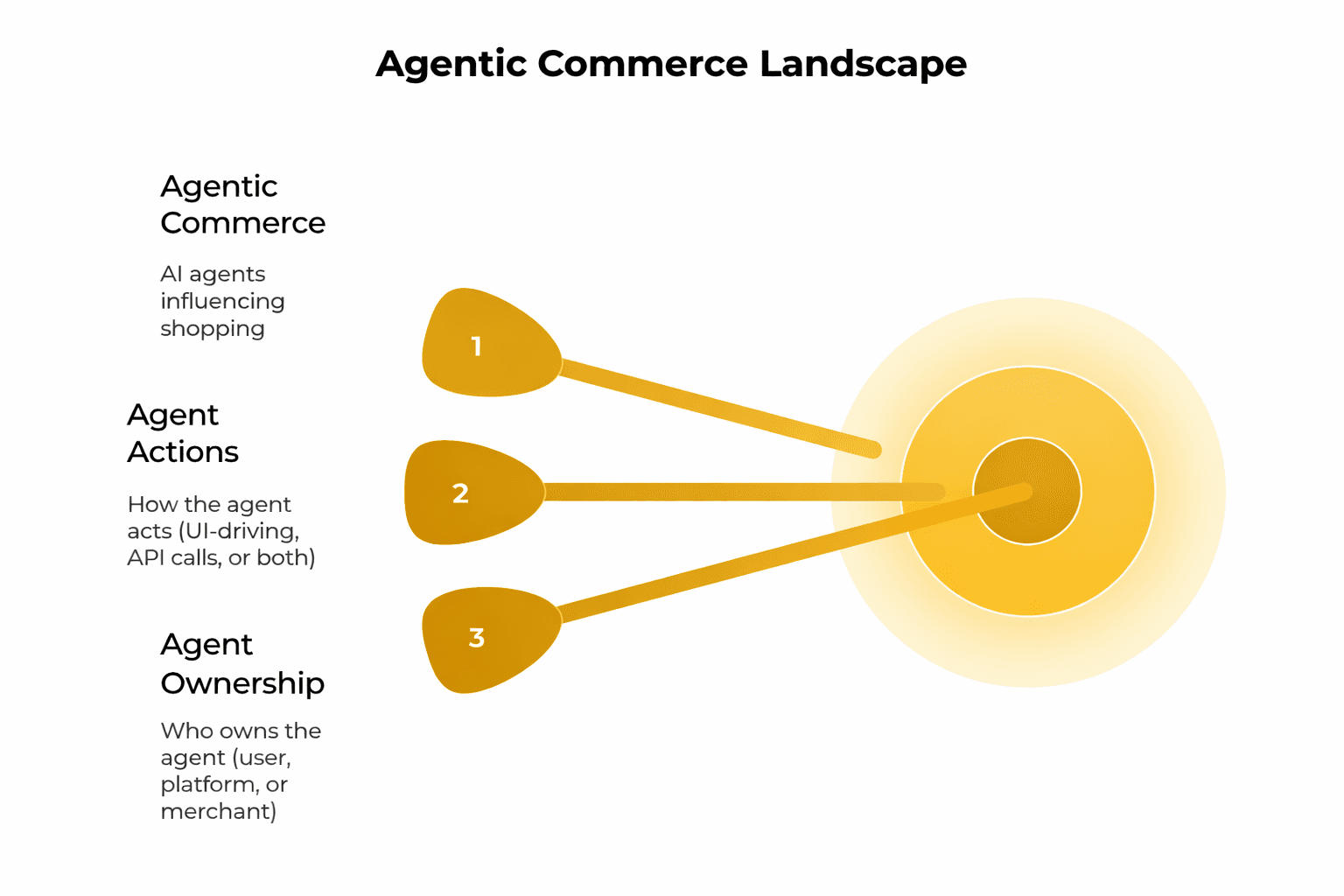
Agentic Commerce Interfaces: How AI Agents Are Rewriting the Buying Experience
Jan 5, 2026
By Nikki Diwakar
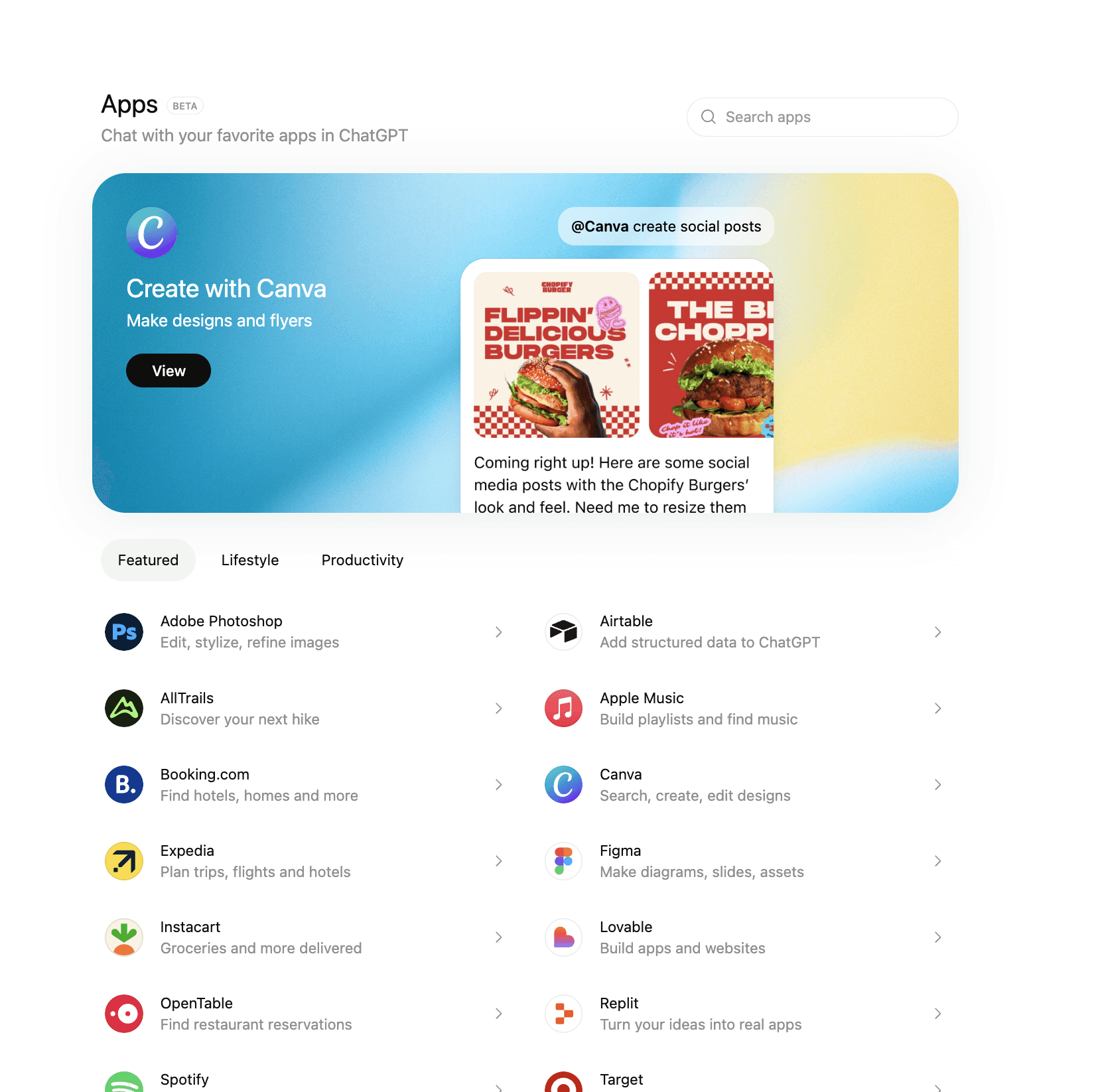
ChatGPT Apps just changed how customers buy (quietly)
Dec 31, 2025
By Nikki Diwakar
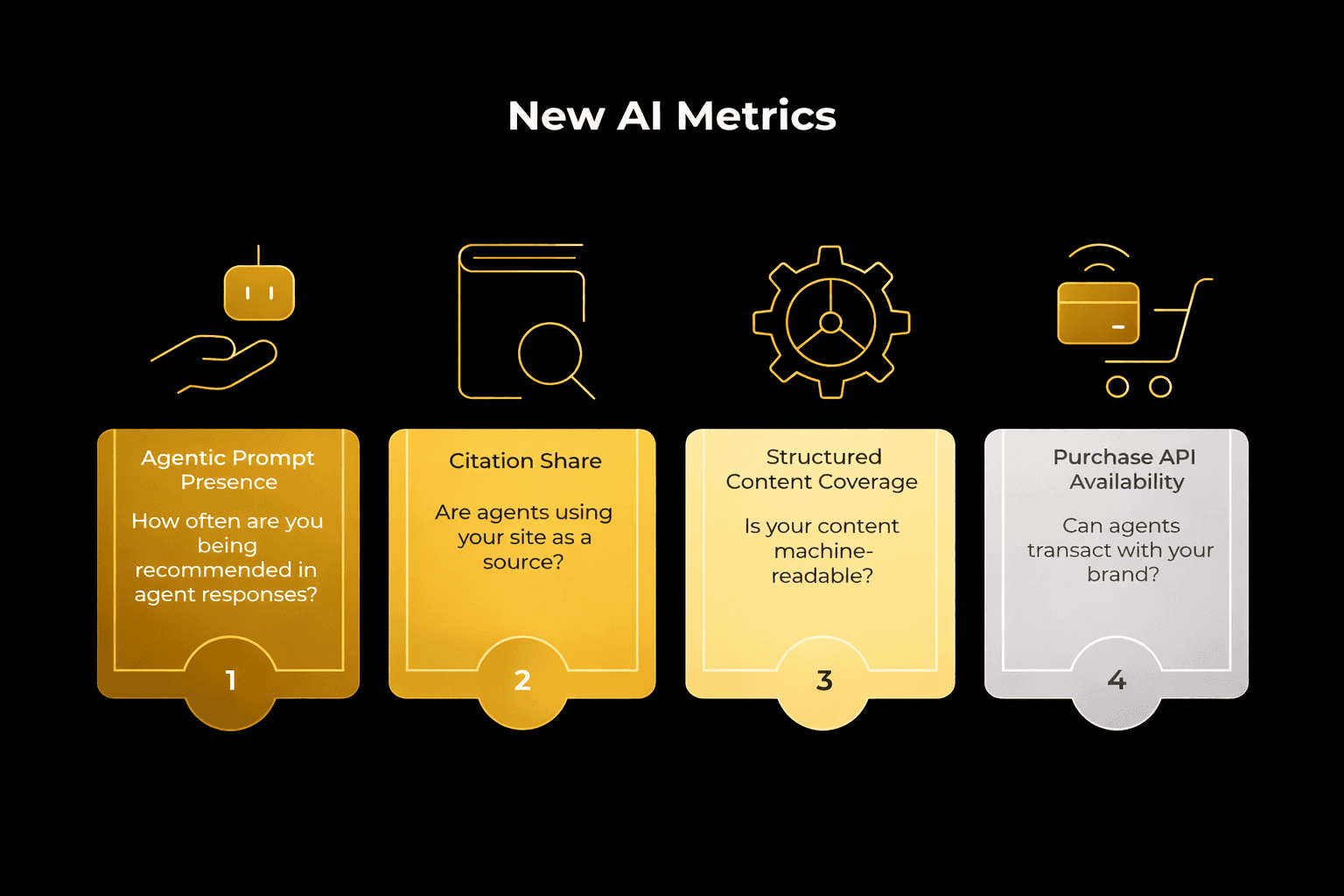
How AI Shopping Agents Change the Sales Funnel and Key Metrics
Dec 26, 2025
By Nikki Diwakar
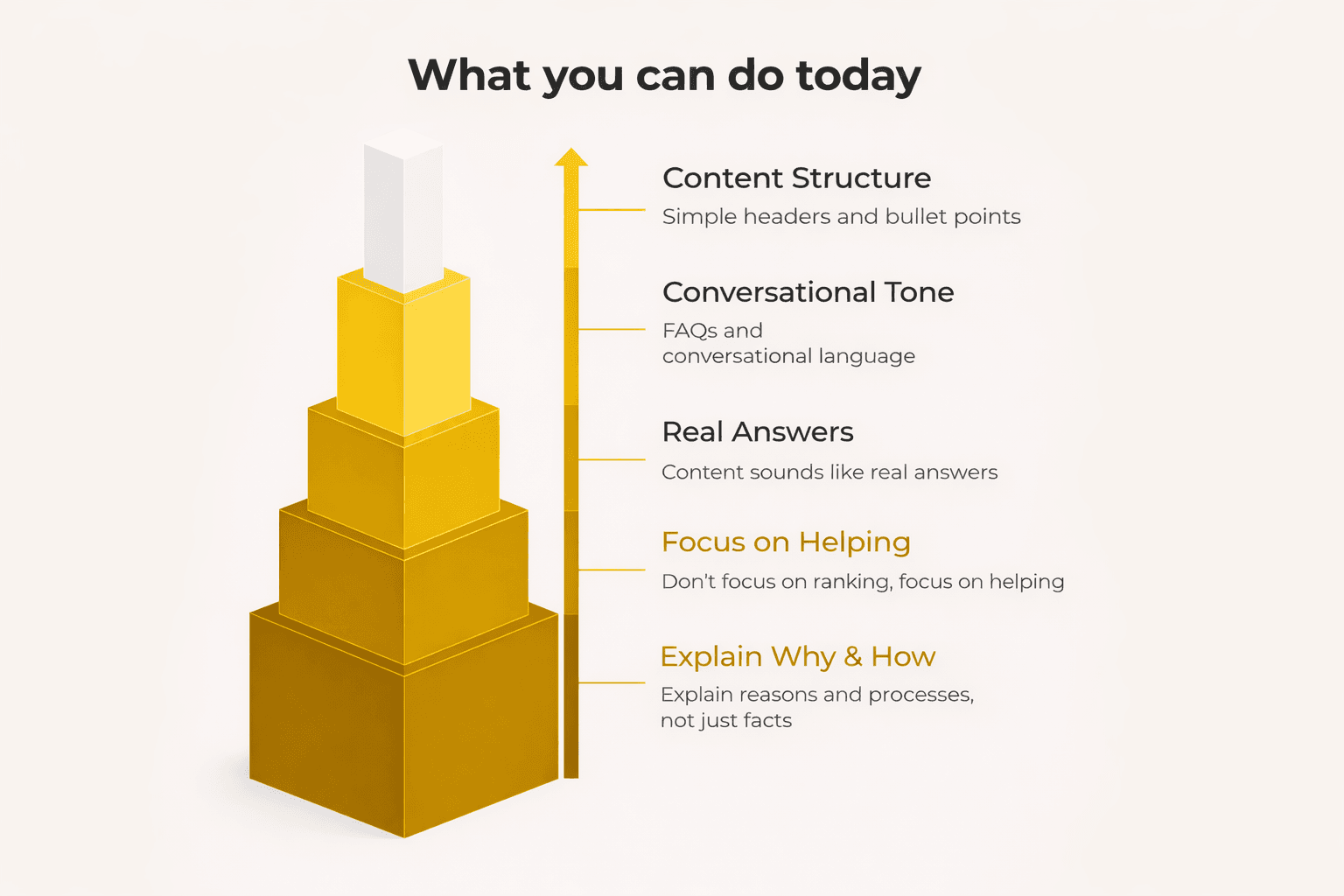
AEO vs. GEO: The New Rules for AI Search Visibility
Dec 15, 2025
By Nikki Diwakar
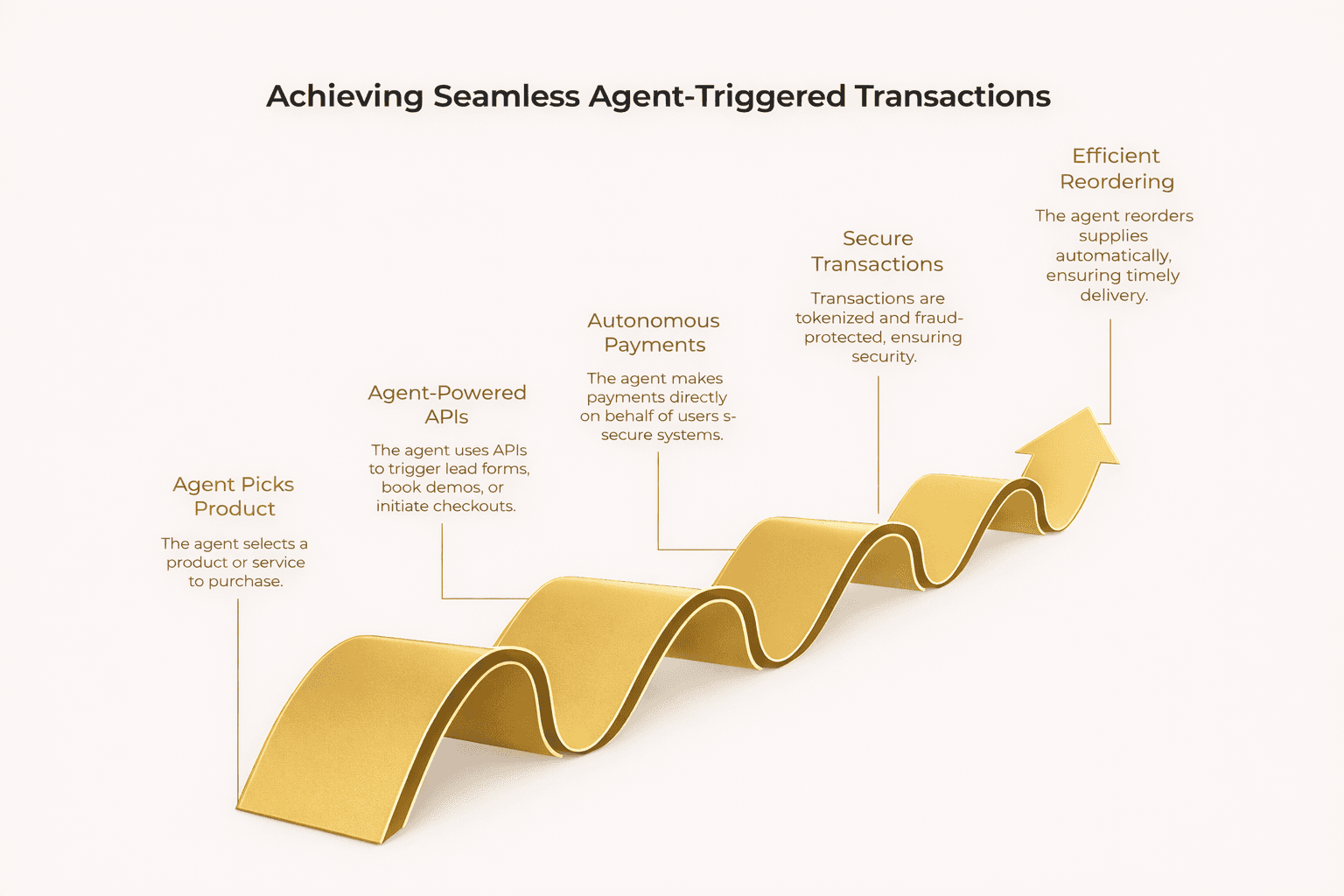
How AI Shopping Agents Work and Why They Matter for Growth
Dec 10, 2025
By Nikki Diwakar
How to Sell on ChatGPT: A Practical Guide to AI Commerce in 2026
Dec 4, 2025
By Nikki Diwakar
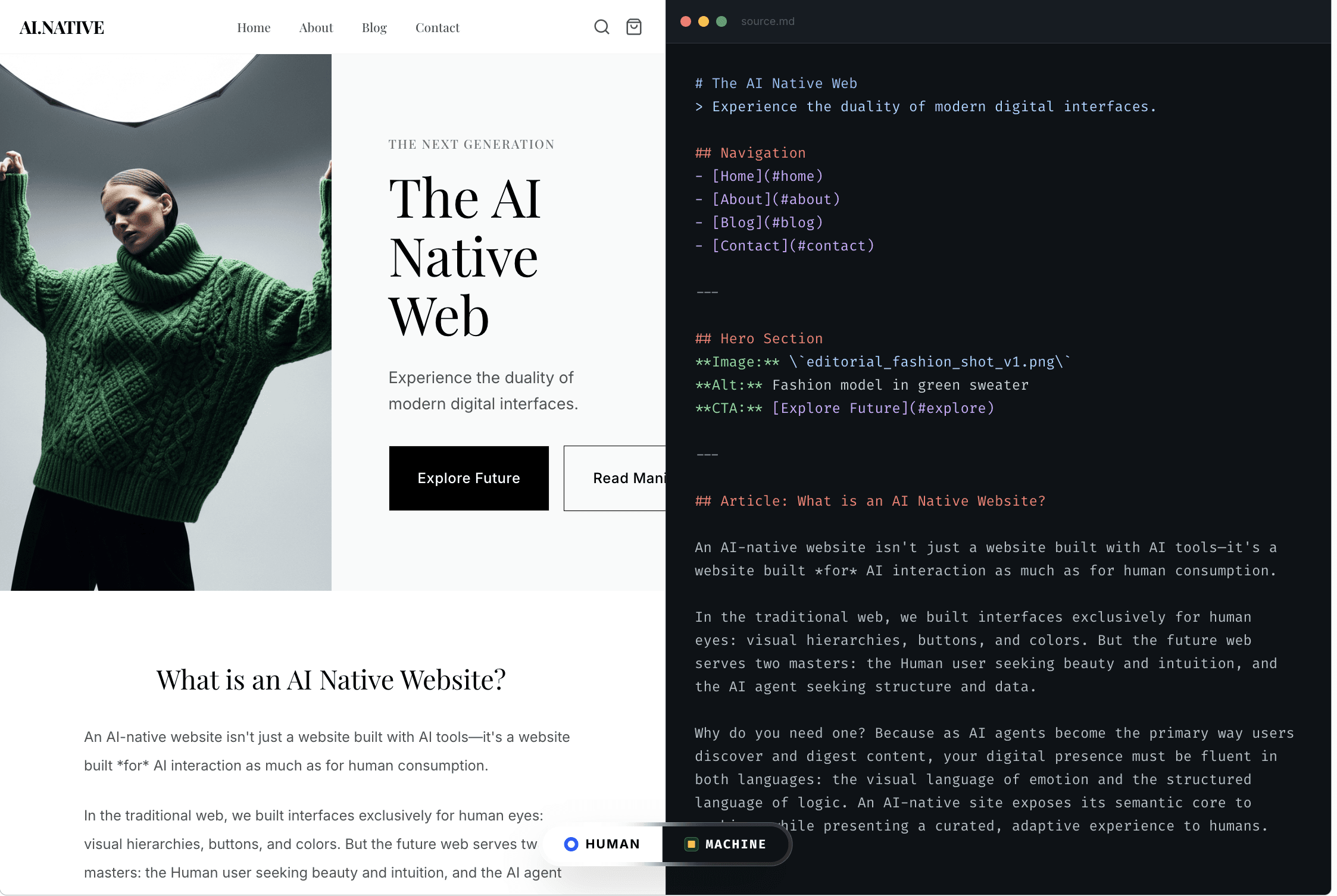
What is an AI-native website and why do you need one?
Nov 30, 2025
By Nikki Diwakar
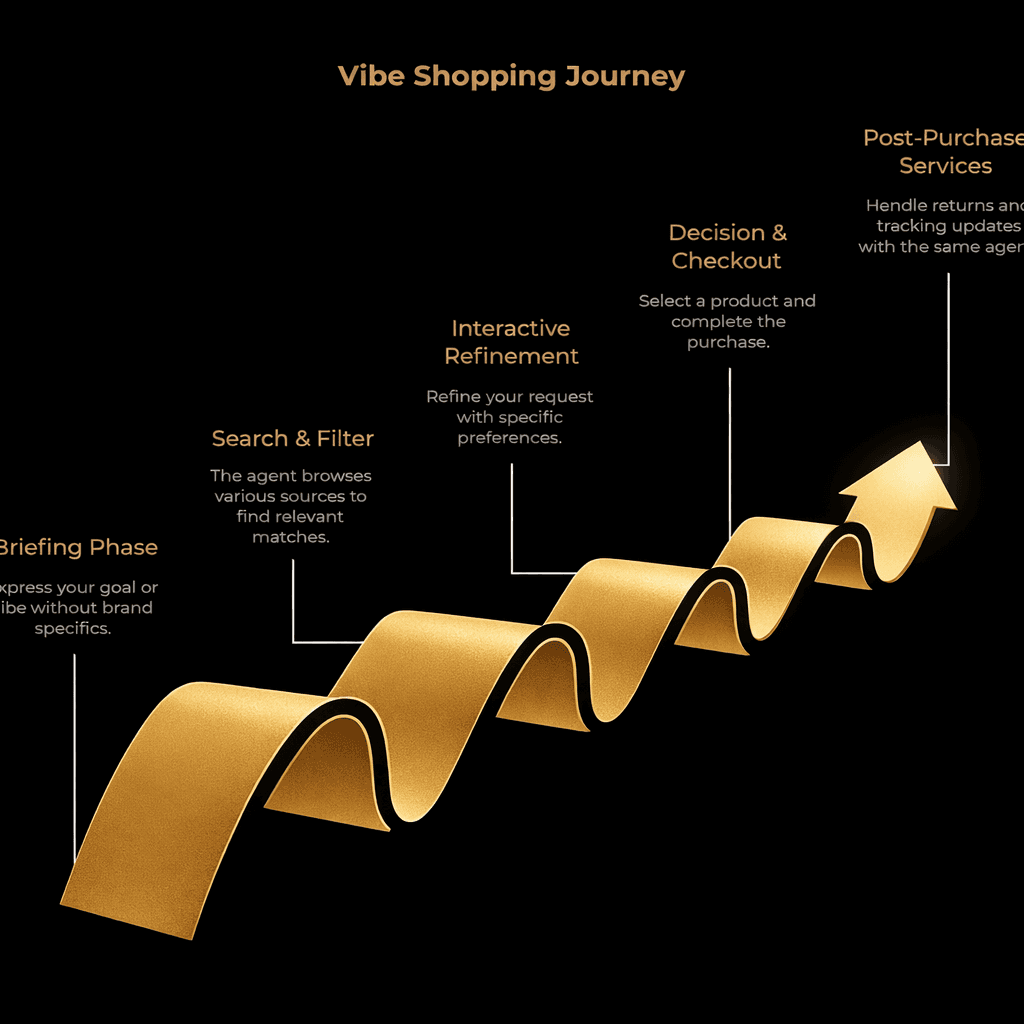
What Is Vibe Shopping and Why It Matters for Ecommerce Strategy
Nov 21, 2025
By Nikki Diwakar
What your analytics misses: >20% of your “traffic” could be AI agents
Nov 18, 2025
By Nikki Diwakar

Delegated Traffic: When AI agents own 80% of the buyer journey
Oct 21, 2025
By Nikki Diwakar